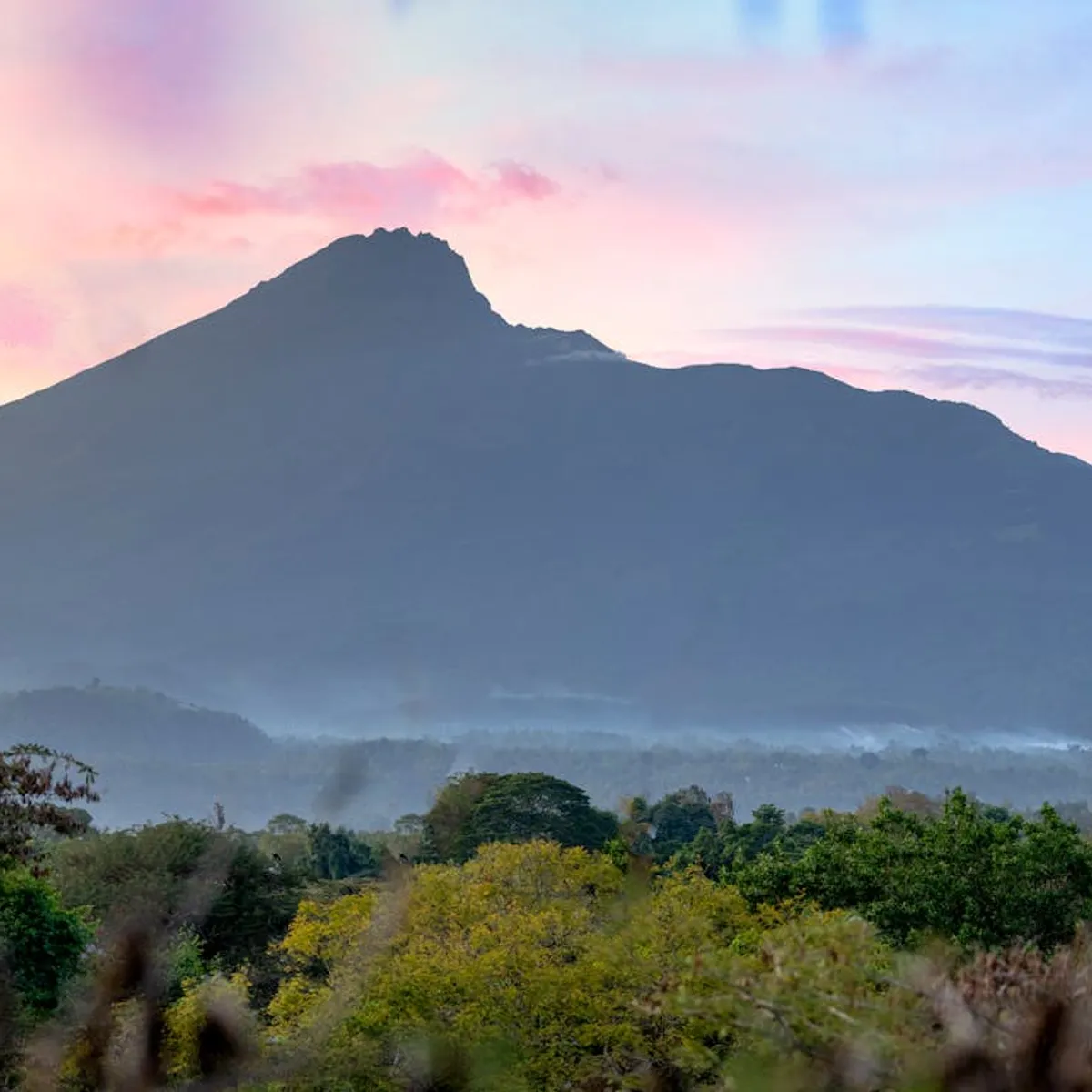
 Photo: Kureng Workx / Pexels
Arusha
Arusha accessibility for wheelchair users
Compare Arusha by accessibility, transport, terrain, healthcare, cost, weather, laws, reviews, and community notes.
Arusha accessibility scores
Compare Arusha by accessibility, transport, terrain, healthcare, cost, weather, and laws. General stats use public data and models. Community rows reflect member reviews and votes.
General stats
National benchmarks and estimates — your experience in this city may differ.
Community
Starts from our estimate — thumbs up nudge toward Excellent, down toward Poor. Reviews use 1–5 stars.
These figures combine public statistics, models, and live weather where available. Every city is different — treat this as a guide, and share what you know in the Reviews & Corrections tab.
Profile last updated 6/30/2026.
Arusha wheelchair accessibility guide
Research Arusha for wheelchair users and caregivers: getting around, terrain, healthcare, costs, climate, accessible things to do, and practical caveats before booking.
Last updated 6/30/2026At a glance
Arusha is one of Tanzania's best-known northern cities, used by many travelers as a base for Mount Meru, Arusha National Park, and safari logistics toward the Serengeti and Ngorongoro circuit. For wheelchair users, it is rewarding but not easy. RollVenture's terrain sample labels the area very hilly, with large elevation change and some steep grades, while OSM pavement sampling is high-confidence but mixed: paved and asphalt segments exist, yet unpaved surfaces are common. Plan Arusha as a guided, vehicle-based destination with carefully chosen stops.
Getting around
Most wheelchair users should use a private vehicle and driver rather than relying on local minibuses. Arusha Airport and Kilimanjaro International Airport can work as arrival points, but airline and airport assistance should be booked in advance. For safari or park days, ask operators specific questions: vehicle step height, transfer board availability, whether a wheelchair can be secured, road vibration, toilet stops, and how guides handle mobility equipment.
Terrain & mobility
The city sits below Mount Meru, and gradients can be significant. Even when a venue entrance is flat, nearby streets may have broken shoulders, drainage channels, and steep approaches. OSM data shows a mix of paved, asphalt, unpaved, and untagged surfaces. That means central rolling may be possible in selected areas, but long independent sidewalk routes are not a safe assumption. Use door-to-door drop-offs, keep itineraries short, and avoid rainy-season mud where possible.
Healthcare & care
OpenStreetMap lists local health leads such as Old Arusha Health Center plus several clinics and labs near the center. These are not verified accessible facilities. Travelers with complex needs should identify a private clinic or hospital contact before arrival and carry medical documentation. If safari travel is planned, discuss evacuation routes, medication refrigeration, catheter or pressure-care routines, and the availability of accessible overnight bathrooms outside the city.
Costs & housing
RollVenture's stored estimate is from ~$2,085/mo, with housing from ~$1,084/mo. Tourism-oriented accommodation can cost more, but it may offer better communication and vehicle coordination. Ask for step-free room access, bathroom photos, bed height, shower chair options, generator reliability, and whether paths between room, restaurant, and parking are paved.
Climate & comfort
Arusha's elevation makes it milder than coastal Tanzania, but sun exposure, dust, rain, and long road days can still be tiring. Safari drives may involve vibration and limited accessible restrooms. Pack cushion protection, tie-down straps, spare tubes or charger adapters, and a plan for pressure relief during long transfers.
Accessible things to do
Cultural Heritage Centre— A well-known Arusha stop for galleries, crafts, and shopping. Confirm ramps, restroom access, and parking-to-entrance surfaces before visiting.
Natural History Museum / Old Boma area— A central heritage lead tied to Arusha's history. Older buildings may have steps, so ask about accessible rooms and courtyard access.
Arusha National Park scenic drive— Better approached as a private-vehicle wildlife and landscape outing than as a trail day. Confirm vehicle transfer and toilet plans.
Central craft markets— Possible with a helper during quieter hours, but expect tight aisles, uneven surfaces, and negotiation in busy areas.
Community & language
Swahili is the main daily language; English is common in tourism. Tour operators are used to special requests, but wheelchair access still requires direct, practical questions rather than general assurances.
Would we recommend it?
Yes for supported travelers who want northern Tanzania access, especially if the trip is built around private transport. Independent wheelchair travel without a guide or driver will be difficult.
These figures combine public statistics, models, and live weather where available. Every city is different — treat this as a guide, and share what you know in the Reviews & Corrections tab.
Profile last updated 6/30/2026.
Reviews & corrections
Share your experience or suggest a data correction. Both appear publicly; admin updates official city scores and costs separately.
Log in to write a review or suggest a correction.
No reviews or corrections yet.