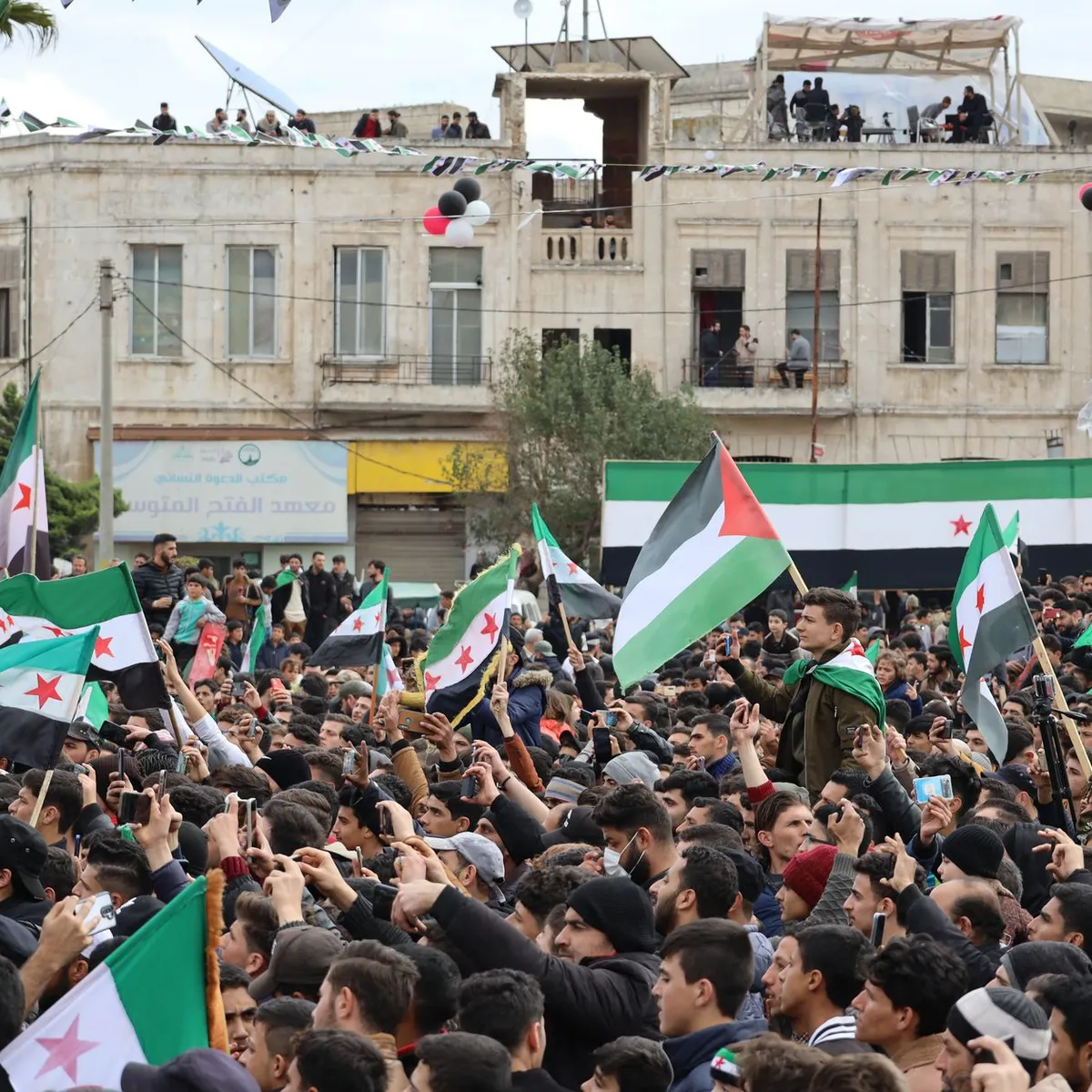
 Photo: Ahmed akacha / Pexels
As Salamīyah
As Salamīyah accessibility for wheelchair users
Compare As Salamīyah by accessibility, transport, terrain, healthcare, cost, weather, laws, reviews, and community notes.
As Salamīyah accessibility scores
Compare As Salamīyah by accessibility, transport, terrain, healthcare, cost, weather, and laws. General stats use public data and models. Community rows reflect member reviews and votes.
General stats
National benchmarks and estimates — your experience in this city may differ.
Community
Starts from our estimate — thumbs up nudge toward Excellent, down toward Poor. Reviews use 1–5 stars.
These figures combine public statistics, models, and live weather where available. Every city is different — treat this as a guide, and share what you know in the Reviews & Corrections tab.
Profile last updated 6/30/2026.
As Salamīyah wheelchair accessibility guide
Research As Salamīyah for wheelchair users and caregivers: getting around, terrain, healthcare, costs, climate, accessible things to do, and practical caveats before booking.
Last updated 6/30/2026At a glance
As Salamīyah is a compact central-Syrian city southeast of Hama and northeast of Homs, best treated as a cautious, high-planning destination rather than an easy accessibility win. The live RollVenture row scores it 60 overall, with mid-range accessibility indicators: terrain 50, infrastructure 68, ramp availability 45, and wheelchair transport 68. DB terrain sampling labels the setting hilly, with average elevation around 476 m and a maximum sampled grade of about 3.5%. That means the city may be manageable in selected central areas, but wheelchair users should expect uneven surfaces, incomplete curb cuts, and limited verified step-free information.
Getting around
Plan around private vehicles, hotel-arranged drivers, or trusted local assistance. Public-accessibility information is thin, and the city is not a place to assume reliable low-floor buses, accessible taxis, or station assistance. Keep daily routes short, confirm drop-off points by phone, and avoid building itineraries around long rolls between sights. If traveling from Hama or Homs, treat intercity transfer accessibility as a separate verification task.
Terrain & mobility
The terrain profile is hilly but not mountainous; sampled grades are moderate, while OSM pavement confidence is low and dominant surfaces include untagged roads, asphalt, and some unpaved segments. Older streets around heritage sites may have broken pavement, dust, narrow approaches, and sudden level changes. A manual chair user should budget helper support; power-chair users should verify charging and vehicle loading before arrival.
Healthcare & care
OpenStreetMap lists several healthcare leads close to the center, including مشفى جمعية البر, مشفى سلمية التخصصي, مستشفى السلمية الوطني, بناء العيادات الخارجية, and مشفى الفرج. Treat these as location leads only, not guarantees of wheelchair access, emergency readiness, English service, or medication availability. Bring a written care plan, backup prescriptions, and local-language notes for transfers, pressure care, and equipment repairs.
Costs & housing
DB cost estimates show living costs from ~$3,123/mo, with housing around $1,598/mo and home-aid estimates around $592/mo. Those numbers should be treated as planning estimates. Accessible housing is the bigger risk: ask for door widths, shower entry, lift status, generator reliability, and whether a vehicle can stop at the entrance without stairs or rough ground.
Climate & comfort
The climate is semi-arid, with hot, dry summers and cooler winters. Heat, dust, and limited shade can make even short errands tiring. Build plans around morning and late-afternoon movement, carry water, and verify that lodging has dependable cooling and backup power.
Accessible things to do
Shmemis Castle viewpoint— Wikipedia documents the nearby fortress; treat it as a scenic/history target that may be better viewed from reachable road points than entered step-free.
Ayyubid-era hammam area— the town-center hammam is documented as a main sight; verify thresholds and interior steps before attempting entry.
Byzantine cistern and citadel wall remains— useful for a short heritage stop if a driver can get close; expect uneven approaches.
Mosque of al-Imam Isma'il— documented as a site with older religious layers; confirm visiting permissions, ramps, and prayer-time crowding locally.
Roman canal remains— consider these as landscape/history context rather than a guaranteed accessible route.
Community & language
Arabic is the working language; local communities include Ismaili and Alawite residents. Travel planning should be conservative, relationship-based, and locally advised. Bring Arabic notes for accessibility needs and emergency contacts.
Would we recommend it?
Only for experienced travelers with local support. As Salamīyah has real historical interest, but verified access information is sparse and mobility reliability is uncertain. It is not a first-choice wheelchair relocation base; it is a possible short, assisted visit if transport, healthcare, and lodging are confirmed in advance.
These figures combine public statistics, models, and live weather where available. Every city is different — treat this as a guide, and share what you know in the Reviews & Corrections tab.
Profile last updated 6/30/2026.