 Photo: Jo Kassis / Pexels
Tripoli
Tripoli accessibility for wheelchair users
Compare Tripoli by accessibility, transport, terrain, healthcare, cost, weather, laws, reviews, and community notes.
Tripoli accessibility scores
Compare Tripoli by accessibility, transport, terrain, healthcare, cost, weather, and laws. General stats use public data and models. Community rows reflect member reviews and votes.
General stats
National benchmarks and estimates — your experience in this city may differ.
Community
Starts from our estimate — thumbs up nudge toward Excellent, down toward Poor. Reviews use 1–5 stars.
These figures combine public statistics, models, and live weather where available. Every city is different — treat this as a guide, and share what you know in the Reviews & Corrections tab.
Profile last updated 6/30/2026.
Tripoli wheelchair accessibility guide
Research Tripoli for wheelchair users and caregivers: getting around, terrain, healthcare, costs, climate, accessible things to do, and practical caveats before booking.
Last updated 6/30/2026At a glance
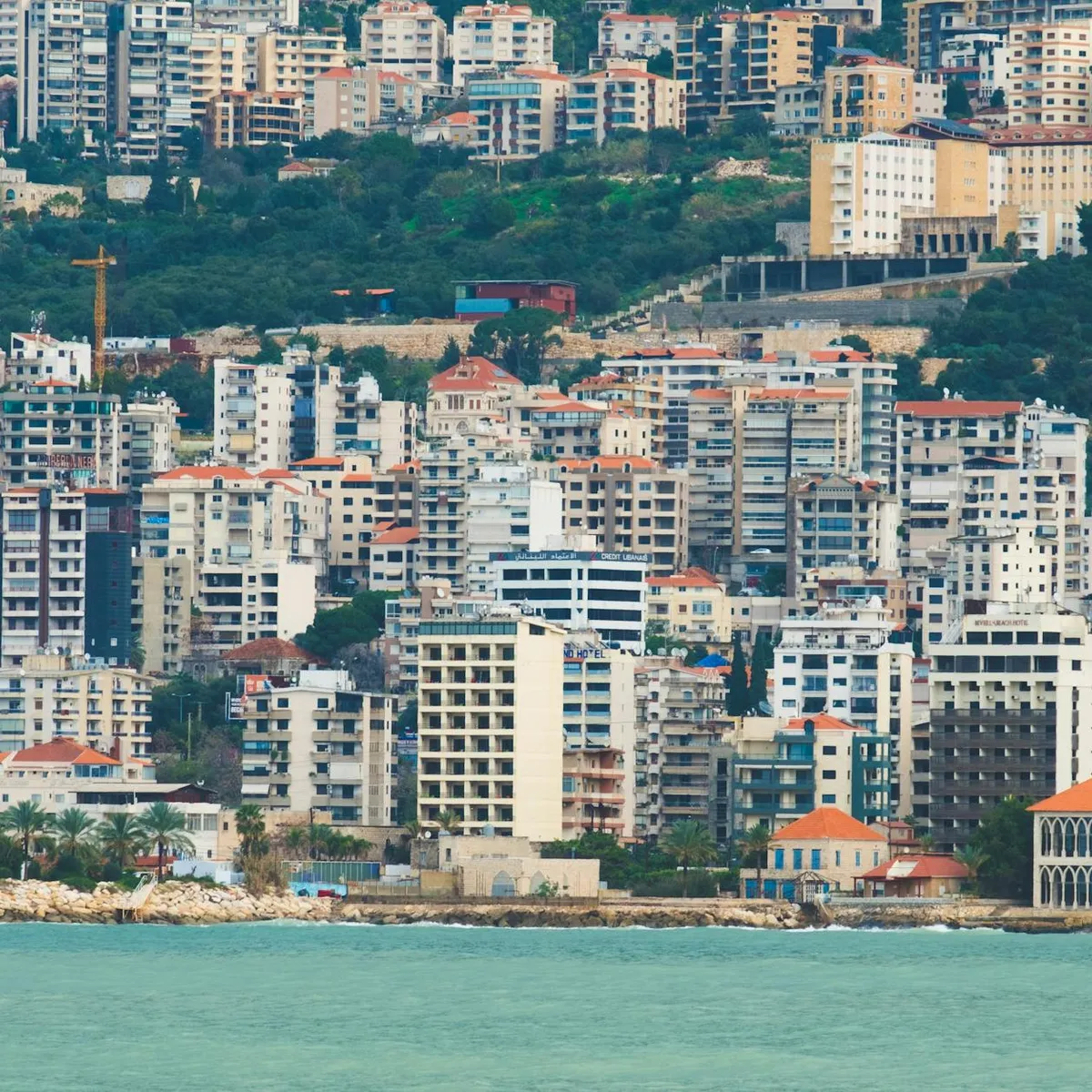
Tripoli is Lebanon's second city and a historic port with a dense old core, Ottoman and Mamluk landmarks, and a busy coastline at Al Mina. For a wheelchair user, it is interesting but uneven: the DB scores show reasonable infrastructure and wheelchair-transport indicators, yet the terrain profile is very hilly, with large elevation changes around the city and older streets that can be narrow, broken, or crowded. Treat it as a place for a supported stay rather than an easy independent mobility base.
Getting around
Plan around taxis or pre-arranged drivers instead of assuming step-free public transport. The old city, souks, and citadel area are compact but not consistently smooth; short distances can still involve steep ramps, curb gaps, vendors, and parked cars. If staying several days, choose lodging near the specific places you expect to visit and ask for photos of entrance thresholds, lift dimensions, bathroom turning space, and nearby sidewalks. Al Mina and newer coastal roads may be more forgiving for rolling than the hillier heritage core, but crossings and curb cuts still need checking.
Terrain & mobility
The terrain data flags Tripoli as very hilly, with only about half the samples flat and a high maximum grade. Pavement data is medium-confidence and mixed: some asphalt and paved segments appear, but many streets are untagged or unpaved in OSM. That means the safest strategy is route-by-route verification, especially around the Citadel, souks, and older khans. Manual wheelchair users should expect assistance on slopes; power-chair users should check battery range and charger access.
Healthcare & care
OSM healthcare leads close to the center include Shahine Hospital, Al Bissar Hospital, Mazloum Hospital, Clinique AS Ahdab, and Orange Nassau Governmental Hospital. These are leads, not access guarantees, so call ahead for emergency intake, lift access, language support, and whether your equipment can be accommodated. For routine care or personal assistance, arrange contacts before arrival; do not assume a hotel can source trained aides quickly.
Costs & housing
The DB estimate is from ~$3,144/mo, including housing around $1,608 and transport around $233. In practice, the right accessible apartment or hotel room matters more than headline rent. Ask for current photos and a video route from street to bed and bathroom, because many older buildings may have steps even when rooms look spacious online.
Climate & comfort
Tripoli has hot Mediterranean summers and mild, wetter winters. Heat can make long outdoor pushes difficult, especially in the exposed old city and market areas. Plan morning visits, shaded breaks, and backup taxis. Winter rain can make stone and patched sidewalks slippery.
Accessible things to do
Rachid Karami International Fair— a large modernist site associated with Oscar Niemeyer; verify current openings, surfaces, and step-free routes before committing.
Citadel of Raymond de Saint-Gilles— a major landmark above the city; worthwhile historically, but expect slopes, uneven stone, and likely partial access only.
Al Mina waterfront— the flatter coastal side is a practical candidate for a roll or drive-by outing, with access depending on pavement, parking, and curb cuts.
Old souks and soap khans— atmospheric but crowded and uneven; best with a local guide who can choose the least difficult lanes.
Community & language
Arabic is the everyday language, with French and English varying by venue. Tripoli is friendly and locally oriented, but accessibility information is rarely published in detail. Bring photos or measurements of your chair when asking venues for help.
Would we recommend it?
Recommended only for experienced travelers with local support, flexible transport, and a high tolerance for partial access. Tripoli has strong culture and history, but slopes, old streets, and limited verified accessibility make it a cautious choice.
These figures combine public statistics, models, and live weather where available. Every city is different — treat this as a guide, and share what you know in the Reviews & Corrections tab.
Profile last updated 6/30/2026.