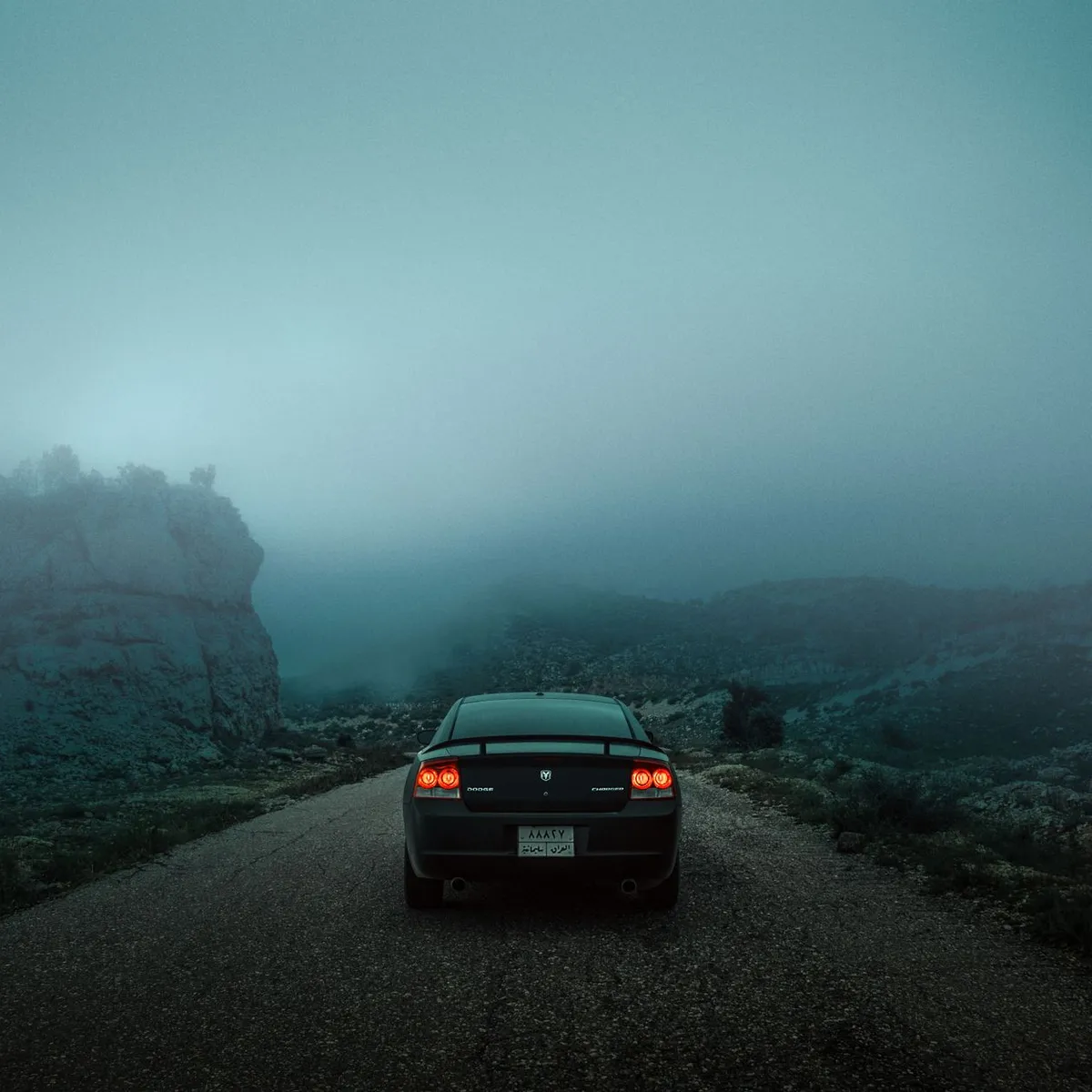
 Photo: Diyar Shahbaz / Pexels
Dihok
Dihok accessibility for wheelchair users
Compare Dihok by accessibility, transport, terrain, healthcare, cost, weather, laws, reviews, and community notes.
Dihok accessibility scores
Compare Dihok by accessibility, transport, terrain, healthcare, cost, weather, and laws. General stats use public data and models. Community rows reflect member reviews and votes.
General stats
National benchmarks and estimates — your experience in this city may differ.
Community
Starts from our estimate — thumbs up nudge toward Excellent, down toward Poor. Reviews use 1–5 stars.
These figures combine public statistics, models, and live weather where available. Every city is different — treat this as a guide, and share what you know in the Reviews & Corrections tab.
Profile last updated 7/2/2026.
Dihok wheelchair accessibility guide
Research Dihok for wheelchair users and caregivers: getting around, terrain, healthcare, costs, climate, accessible things to do, and practical caveats before booking.
Last updated 7/2/2026At a glance
Dihok, also spelled Duhok or Dahuk, is a Kurdish city in Iraqi Kurdistan set among mountains. It has more local services than many surrounding towns, but it is not an easy wheelchair destination: terrain is mixed, accessibility information is sparse, and regional security/checkpoint planning matters. RollVenture data estimates costs from ~$3,151/mo, with a medium-confidence pavement profile showing some paved and asphalt segments but also untagged and unpaved surfaces. Treat it as possible only with local assistance, a driver, and current security advice.
Getting around
Wikivoyage notes that travelers commonly reach Duhok by road from Erbil, Sulaymaniyah, or Zakho, with taxis and buses in the city. For wheelchair users, taxis with known drivers are far more realistic than buses. Ask your hotel or local contact to arrange vehicles, confirm whether mobility equipment fits, and plan for checkpoints outside the city. Do not rely on spontaneous street transport for medical appointments.
Terrain & mobility
The city profile labels terrain mixed, with an average elevation around 684 m and sampled grades up to 9.8%. Wikivoyage also describes the city as encircled by mountains. Pavement data is medium confidence, with paved/asphalt roads present, but the route network also includes untagged and unpaved segments. The practical pattern is neighborhood-by-neighborhood: central commercial routes may be manageable with help, while hills, broken kerbs, and side streets can become barriers quickly.
Healthcare & care
OpenStreetMap healthcare leads near the center include several hospitals and clinics, such as Wan Global and Dr. Zozan Abdulrahman Faris Clinic, plus local facilities listed in Kurdish/Arabic. Treat all entries as leads. Before travel, verify emergency departments, elevator access, language support, medication supply, and whether a companion can stay during appointments. For regular care, Erbil may offer broader specialist choice, so plan transfers if your condition is complex.
Costs & housing
Estimated living cost is from ~$3,151/mo, with housing around $1,612/mo. Accessible rentals are likely to be found through local contacts rather than ordinary listings. Ask for videos of the exact entrance, stair count, lift, bathroom, generator/power arrangements, and street slope. A central hotel with staff support may be safer for a first visit than committing to a longer lease.
Climate & comfort
Dihok has hot summers and cooler winters than lowland Iraq. Heat, dust, and hills can make transfers tiring. Choose accommodation with reliable cooling, backup power, and nearby food delivery or restaurants. Winter rain can make steep or unfinished surfaces more difficult.
Accessible things to do
Duhok Bazaar— Wikivoyage lists the bazaar as a central attraction; it can be interesting but crowded, so go with a companion and expect uneven thresholds.
Dohuk Dam viewpoint— a scenic area north of town; feasible only by vehicle and with on-site surface checks before leaving the car.
Dream City / park area near Dohuk Dam— Wikivoyage lists it as a local amusement/park option; call ahead for entrance, toilet, and ride-area access.
Dohuk Art Gallery or folklore/museum stops— indoor cultural options mentioned by travel sources; verify ramps and opening hours because detailed accessibility data is not public.
Community & language
Kurdish is central, with Arabic and some English in hotels, clinics, and travel settings. A local fixer, driver, or hotel staff member is valuable for calls, checkpoints, and medical translation.
Would we recommend it?
Only for experienced travelers with local support, flexible mobility equipment, and current security checks. It may be rewarding culturally, but it is not a low-friction accessible relocation choice.
These figures combine public statistics, models, and live weather where available. Every city is different — treat this as a guide, and share what you know in the Reviews & Corrections tab.
Profile last updated 7/2/2026.