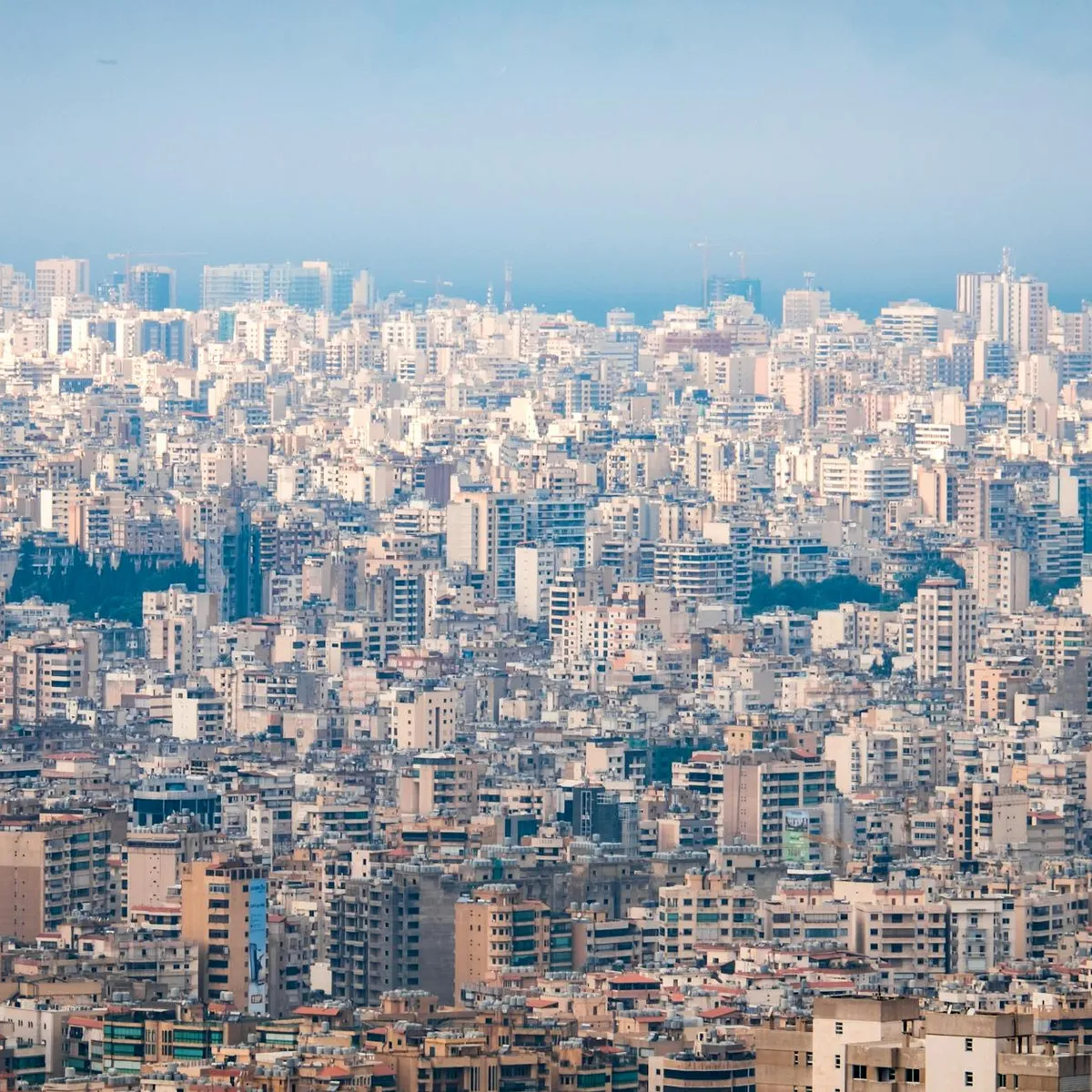
 Photo: Jo Kassis / Pexels
Beirut
Beirut accessibility for wheelchair users
Compare Beirut by accessibility, transport, terrain, healthcare, cost, weather, laws, reviews, and community notes.
Beirut accessibility scores
Compare Beirut by accessibility, transport, terrain, healthcare, cost, weather, and laws. General stats use public data and models. Community rows reflect member reviews and votes.
General stats
National benchmarks and estimates — your experience in this city may differ.
Community
Starts from our estimate — thumbs up nudge toward Excellent, down toward Poor. Reviews use 1–5 stars.
These figures combine public statistics, models, and live weather where available. Every city is different — treat this as a guide, and share what you know in the Reviews & Corrections tab.
Profile last updated 6/30/2026.
Beirut wheelchair accessibility guide
Research Beirut for wheelchair users and caregivers: getting around, terrain, healthcare, costs, climate, accessible things to do, and practical caveats before booking.
Last updated 6/30/2026At a glance
Beirut is culturally rich, medically important for Lebanon, and more walkable in selected central districts than many regional capitals, but it is also a city where political, economic, and infrastructure conditions can change quickly. RollVenture’s live row estimates living costs from ~$3,213/mo, housing from ~$1,641/mo, transport from ~$238/mo, medical from ~$156/mo, and home aid from ~$613/mo. The DB pavement signal is unusually strong for this batch, with high confidence and many tagged asphalt, paving-stone, and concrete surfaces, yet the terrain profile is very hilly and real-world access still varies block by block.
Getting around
Plan around private accessible transfers, trusted taxis, or hotel-arranged drivers. Wikipedia verifies Beirut-Rafic Hariri International Airport and bus links, but it does not document a dependable wheelchair-accessible public-transport network. The safest pattern is to stay near the specific district you need, use short vehicle hops, and confirm curbside pickup points. Traffic, parked cars, and security closures can make a route that looks short on a map difficult in practice.
Terrain & mobility
The DB terrain profile is the biggest caution: max sampled grade 11.1%, very hilly label, and a 923 m elevation range. The better pavement profile helps in central and rebuilt areas, but steep grades between waterfront, Hamra, Achrafieh, and hillier neighborhoods can require powered mobility or vehicle support. Sidewalk obstruction is a practical risk even where surface material is good.
Healthcare & care
OSM healthcare leads include Rosary Sisters Hospital and several central hospital/pharmacy entries within about 1-2 km of the mapped center. Treat them as location leads only; confirm emergency access, generator continuity, elevator access, payment requirements, and medication availability before travel. Beirut has a deeper private-care market than many nearby cities, but reliability and cost can vary sharply.
Costs & housing
Housing from ~$1,641/mo is only a starting point. Accessible housing should be verified in newer serviced apartments or international-standard hotels, ideally with lift redundancy, step-free entrance, roll-in shower photos, and a neighborhood video showing the sidewalk and drop-off. Budget extra for private transport because public options are not a dependable accessibility plan.
Climate & comfort
Beirut’s Mediterranean climate is pleasant in spring and autumn, but summer heat, humidity, power interruptions, and hilly streets can create fatigue. Choose accommodation with dependable cooling, backup power, and close access to pharmacies and food delivery.
Accessible things to do
National Museum of Beirut— A principal archaeology museum verified in city sources; contact ahead for entrance, lift, and restroom details.
Sursock Museum— A major art museum in Achrafieh; confirm current accessibility and nearby vehicle drop-off because the district can be hilly.
Beirut Central District / Beirut Souks— Rebuilt central streets, shops, restaurants, and open spaces can be easier than older quarters, though closures and kerbs still need checking.
Zaitunay Bay / waterfront— A flatter waterfront outing; verify ramps, surface condition, and accessible toilets with the venue or hotel before visiting.
Community & language
Arabic is primary; French and English are common in many hospitality and medical contexts. A local fixer or hotel concierge is valuable for transport, pharmacy calls, and appointment confirmation.
Would we recommend it?
Only for experienced travelers or longer stays with local support. Beirut has strong culture, healthcare leads, and some promising central surfaces, but hills, infrastructure uncertainty, and transport gaps make it a high-planning destination.
These figures combine public statistics, models, and live weather where available. Every city is different — treat this as a guide, and share what you know in the Reviews & Corrections tab.
Profile last updated 6/30/2026.