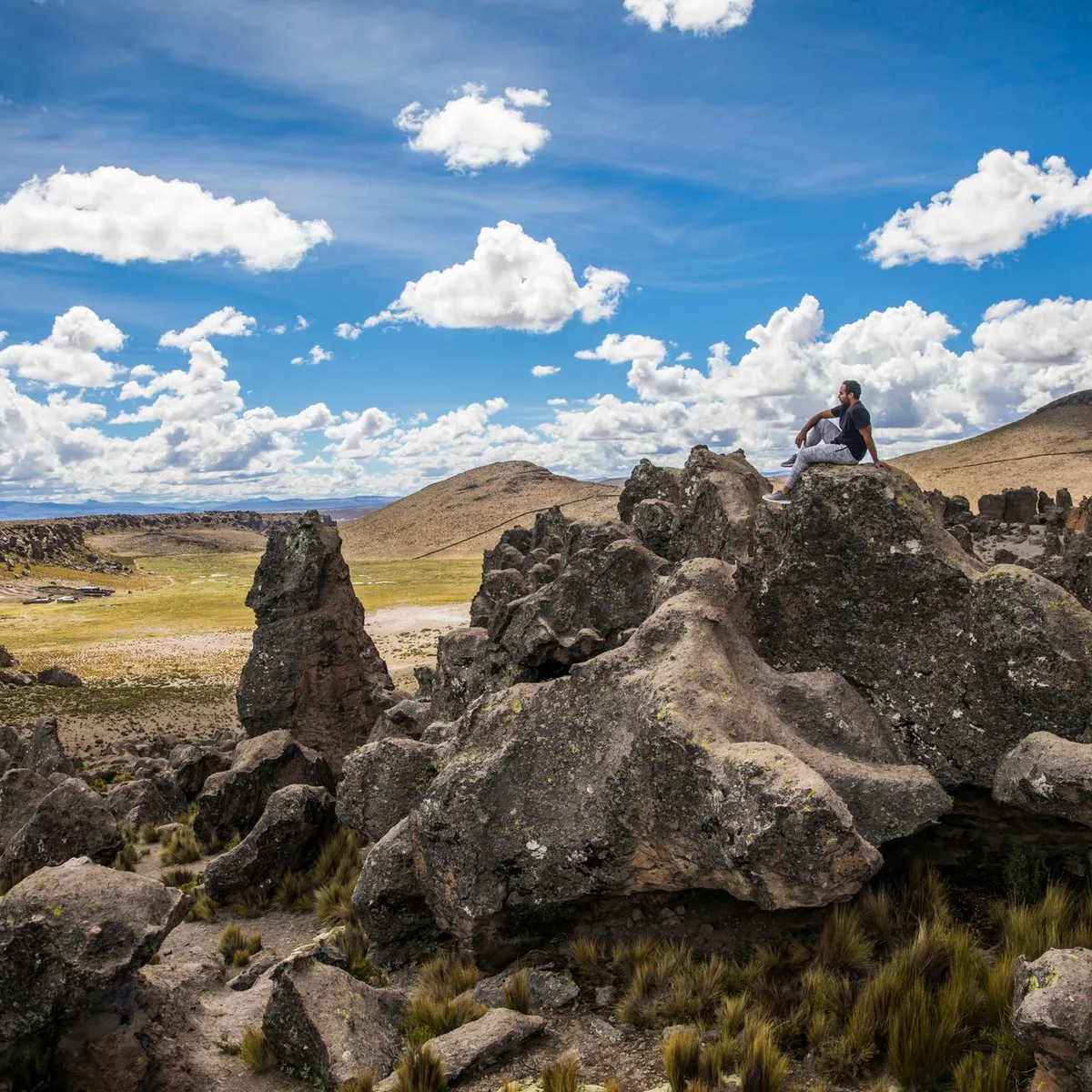
 Photo: Maria Camila Castaño / Pexels
Ayacucho
Ayacucho accessibility for wheelchair users
Compare Ayacucho by accessibility, transport, terrain, healthcare, cost, weather, laws, reviews, and community notes.
Ayacucho accessibility scores
Compare Ayacucho by accessibility, transport, terrain, healthcare, cost, weather, and laws. General stats use public data and models. Community rows reflect member reviews and votes.
General stats
National benchmarks and estimates — your experience in this city may differ.
Community
Starts from our estimate — thumbs up nudge toward Excellent, down toward Poor. Reviews use 1–5 stars.
These figures combine public statistics, models, and live weather where available. Every city is different — treat this as a guide, and share what you know in the Reviews & Corrections tab.
Profile last updated 6/30/2026.
Ayacucho wheelchair accessibility guide
Research Ayacucho for wheelchair users and caregivers: getting around, terrain, healthcare, costs, climate, accessible things to do, and practical caveats before booking.
Last updated 6/30/2026At a glance
Ayacucho is a culturally rich Andean city for wheelchair users who want churches, plazas, archaeological day trips, and a lower-cost Peru base, but it is not an easy mobility destination. The DB profile is the main warning: very hilly terrain, high elevation around 3,105 m, and no flat samples in the terrain grid. Treat it as a planned-support city rather than a place for effortless independent rolling.
Getting around
Ayacucho has road links and local taxi/van transport rather than a metro-style accessible network. Wikivoyage confirms the city is a Southern Sierra destination and lists local orientation around the Plaza de Armas; use that central area as the practical anchor. Wheelchair users should arrange airport or bus-station pickup, confirm vehicle door height and folding-ramp options, and avoid assuming drivers can handle heavy power chairs without advance notice.
Terrain & mobility
This is the hardest part of Ayacucho. The DB terrain profile shows a 18.4% maximum sampled grade, very hilly classification, and a large elevation range. The pavement profile is stronger than many peers, with concrete and asphalt in the sample and 43% good surfaces, but steep slopes can still turn short distances into transfer-risk routes. Manual-chair users will likely need a pusher or taxi hops between sights.
Healthcare & care
OpenStreetMap-derived healthcare leads include Centro Medico Virgen del Rosario, Clinica de Ojos, DermaClinic Ayacucho, and Policlinico de la Solidaridad Ayacucho. These are useful leads, not access guarantees; confirm ramps, door widths, appointment language, and emergency pathway before relying on them. Bring altitude-sensitive medication planning and spares for wheels, chargers, and cushion repairs.
Costs & housing
The database estimate is **from ~$2,116/mo**, with housing around $954 and home aid around $421. Prioritize ground-floor or elevator-served stays close to Plaza de Armas, but ask for current photos of the entrance, bathroom threshold, shower, and bedroom turning space. A cheaper room uphill can erase any budget advantage if every outing requires paid transport.
Climate & comfort
Ayacucho is high-altitude and generally mild rather than tropical. Sun exposure, cool nights, and altitude fatigue matter for wheelchair users because recovery takes longer when transfers, hills, and uneven paving are already demanding. Plan layered clothing, hydration, and rest days after arrival.
Accessible things to do
Plaza de Armas— Wikivoyage orients visitors around the central plaza; it is the best first stop for testing paving, curb cuts, taxi drop-off points, and distances before committing to longer outings.
Ayacucho Cathedral area— The cathedral anchors the historic centre. Verify step-free entry locally, because colonial church thresholds can change from side door to side door.
Wari archaeological site— The Wari site is a documented archaeological attraction near Ayacucho. Treat it as a supported excursion: confirm vehicle access, surface conditions, and whether a wheelchair user can see enough without crossing rough ground.
Pampa de Ayacucho / Quinua excursion— The battlefield and craft-village excursion is commonly paired with Ayacucho visits. It is likely better by private vehicle than independent rolling; verify toilets, parking, and hard-surface viewpoints.
Community & language
Spanish is essential, and Quechua cultural context is visible in the region. English support should not be assumed outside hotels or tour operators. For care, book bilingual help in advance and write key medical/access phrases in Spanish.
Would we recommend it?
Yes, but only for wheelchair users who can handle steep terrain with planned support. Ayacucho offers real cultural value and lower costs, but RollVenture should flag it as a high-friction stay: verify housing, transport, and each outing before arrival.
These figures combine public statistics, models, and live weather where available. Every city is different — treat this as a guide, and share what you know in the Reviews & Corrections tab.
Profile last updated 6/30/2026.
Reviews & corrections
Share your experience or suggest a data correction. Both appear publicly; admin updates official city scores and costs separately.
Log in to write a review or suggest a correction.
No reviews or corrections yet.