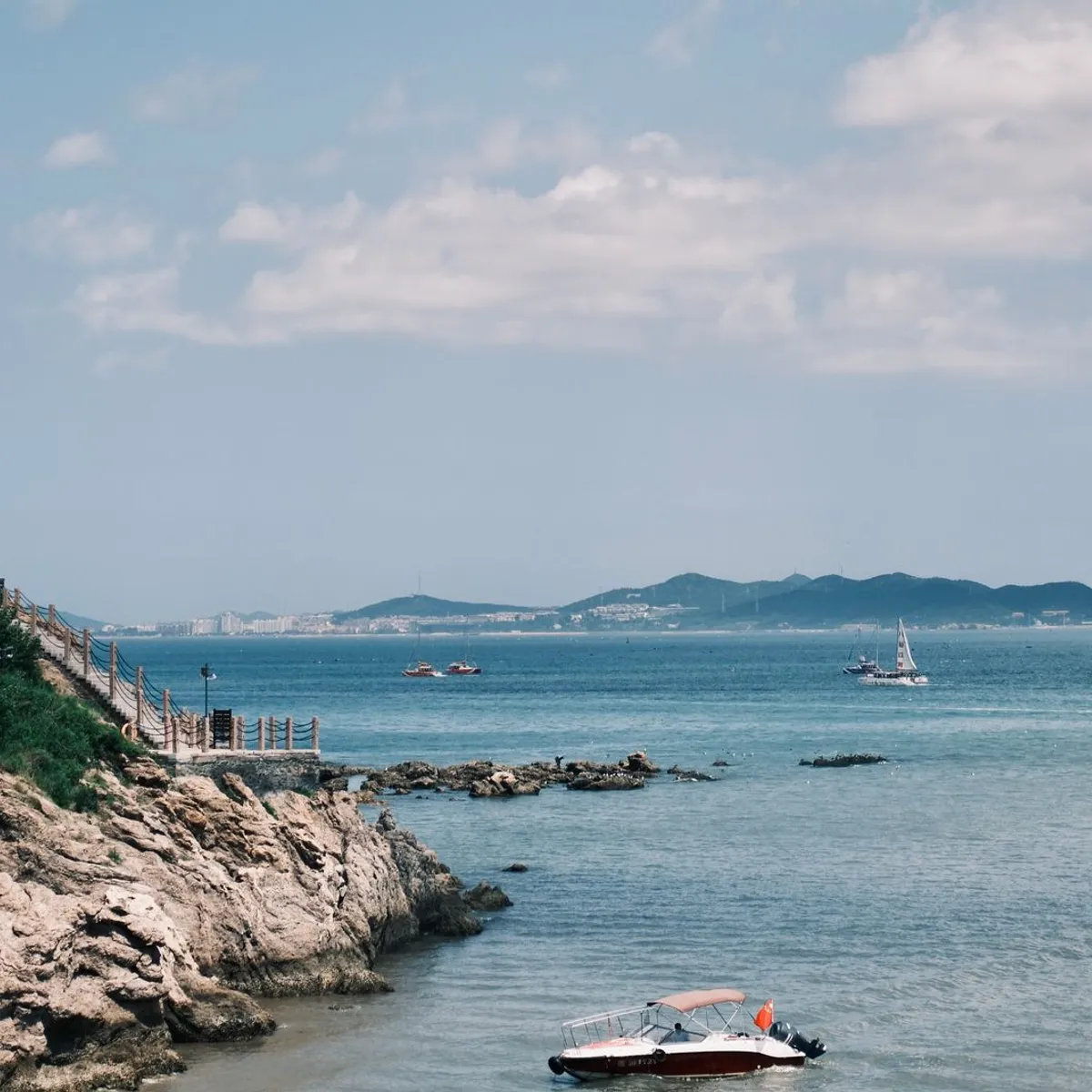
 Photo: Yanming Guo / Pexels
Baotou
Baotou accessibility for wheelchair users
Compare Baotou by accessibility, transport, terrain, healthcare, cost, weather, laws, reviews, and community notes.
Baotou accessibility scores
Compare Baotou by accessibility, transport, terrain, healthcare, cost, weather, and laws. General stats use public data and models. Community rows reflect member reviews and votes.
General stats
National benchmarks and estimates — your experience in this city may differ.
Community
Starts from our estimate — thumbs up nudge toward Excellent, down toward Poor. Reviews use 1–5 stars.
These figures combine public statistics, models, and live weather where available. Every city is different — treat this as a guide, and share what you know in the Reviews & Corrections tab.
Profile last updated 6/30/2026.
Baotou wheelchair accessibility guide
Research Baotou for wheelchair users and caregivers: getting around, terrain, healthcare, costs, climate, accessible things to do, and practical caveats before booking.
Last updated 6/30/2026At a glance
Baotou is a large Inner Mongolia city on the Yellow River side of the Yinshan Mountains, known for steel, rare earth industry, grassland culture, and wide northern-city spaces. The live profile estimates monthly living costs from ~$2,311/mo and housing from ~$855/mo, with moderate infrastructure but limited ramp confidence. The accessibility picture is mixed: flatter central roads may be workable, but the best-known trips often involve grassland, desert, monastery, or long-distance transfers. Plan it as a practical urban base with selective outings, not as a fully barrier-free tourism city.
Getting around
TravelChinaGuide says Baotou Airport has flights to cities including Beijing, Shanghai, Guangzhou, Wuhan, and Xi’an, and that Baotou, East, and West railway stations serve major routes. For wheelchair users, pick the station or airport transfer with confirmed elevator routes and accessible vehicle space. Local buses and taxis may be difficult with a rigid or powered chair, so a hotel-arranged car and written Chinese accessibility notes are often safer.
Terrain & mobility
The database terrain profile labels Baotou hilly, with average elevation around 1,077 m, but most sampled points are flat. That suggests broad central districts may be manageable while mountain-edge and desert outings vary sharply. Pavement data is low-confidence, with many untagged roads. Expect wind, dust, long blocks, and occasional curb or driveway barriers.
Healthcare & care
The stored healthcare leads are mostly community clinics: 通顺社区卫生站, 胜利社区卫生服务站, 南海社区卫生服务站, 奥宇新城社区卫生服务站, and 交界营子村卫生室. These are not enough for complex needs. For a stay, identify a larger hospital through hotel staff, insurer, or local contacts, and confirm ambulance routing, entrance access, and whether mobility equipment can be repaired locally. Estimated medical cost is from ~$153/mo, PT from ~$107, and home aid from ~$555.
Costs & housing
Baotou is relatively affordable, but accessible housing should be inspected carefully. Newer apartments in central districts are more promising than older walk-ups. Ask for elevator dimensions, threshold photos, winter heating details, bathroom layout, and how far the entrance is from a car drop-off.
Climate & comfort
TravelChinaGuide recommends late June to early September as the most comfortable period. Winters are cold and windy, and shoulder seasons can bring dust or temperature swings. Wheelchair users should factor in glove use, battery performance, and exposed crossings.
Accessible things to do
Saihan Tala Grassland— TravelChinaGuide describes it as a grassland located in the city center. It is the most logical outdoor stop to investigate first; verify paved paths, toilets, and vehicle drop-off.
Wudangzhao Lamasery— TravelChinaGuide places it about 70 km northeast of Baotou. Monastery terrain may include steps and slopes, so request current access details before booking.
Singing Sand Ravine— Listed by TravelChinaGuide in the Kubuqi Desert. Sand is a major wheelchair barrier; consider it only with specialized assistance or as a viewpoint-style excursion.
Baotou city squares and commercial streets— Central urban spaces may offer the simplest low-effort outing, especially for food and evening walks, but curb cuts still need local checking.
Community & language
Mandarin is the default; Mongolian cultural context is visible, but English should not be assumed. Use translated notes for disability access, taxi loading, and hotel room checks.
Would we recommend it?
Maybe, for experienced travelers interested in Inner Mongolia and able to arrange private transfers. Baotou’s urban scale and costs are positives, but weather, sparse accessibility documentation, and excursion terrain make conservative planning essential.
These figures combine public statistics, models, and live weather where available. Every city is different — treat this as a guide, and share what you know in the Reviews & Corrections tab.
Profile last updated 6/30/2026.
Reviews & corrections
Share your experience or suggest a data correction. Both appear publicly; admin updates official city scores and costs separately.
Log in to write a review or suggest a correction.
No reviews or corrections yet.