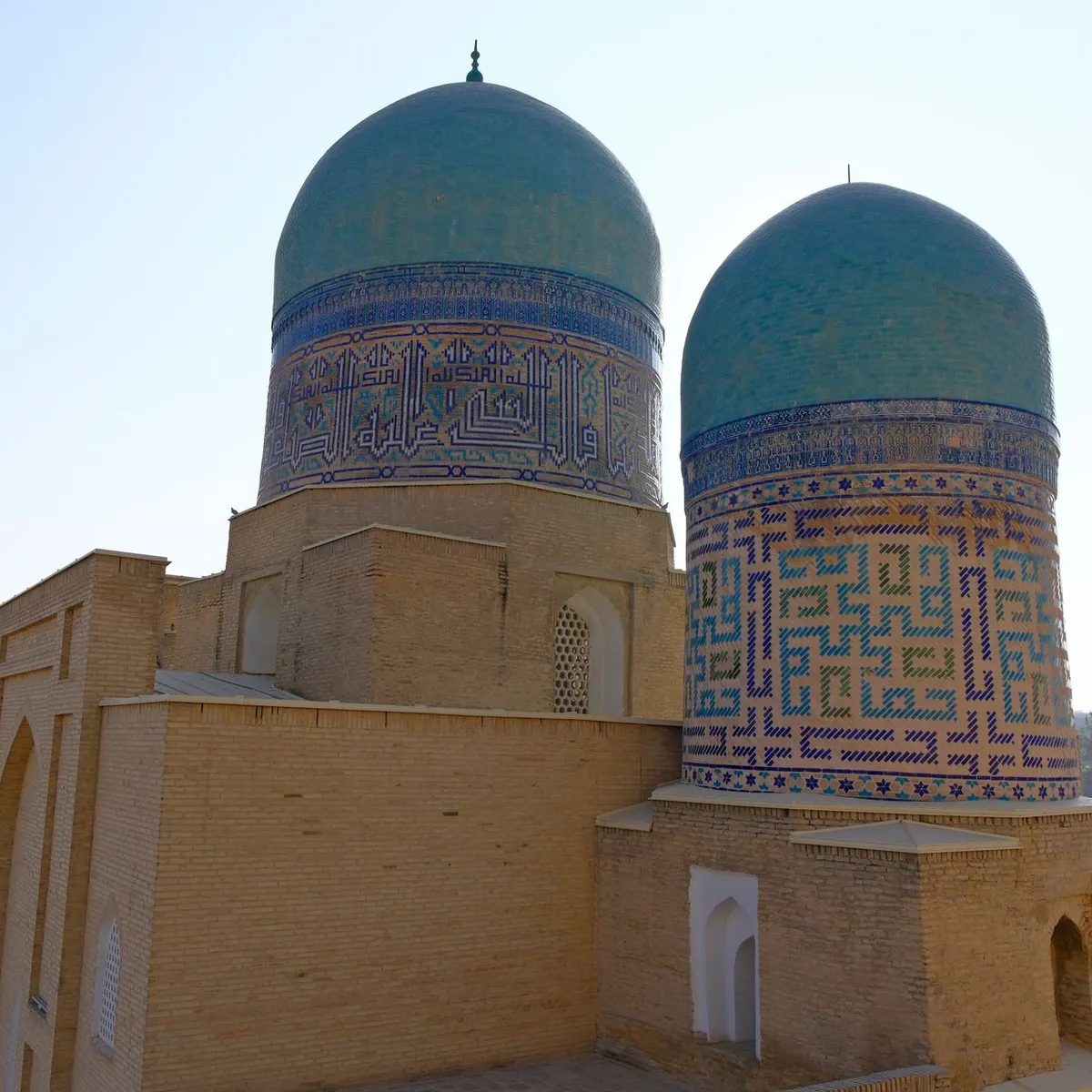
 Photo: Rüveyda Akkaya / Pexels
Bekobod
Bekobod accessibility for wheelchair users
Compare Bekobod by accessibility, transport, terrain, healthcare, cost, weather, laws, reviews, and community notes.
Bekobod accessibility scores
Compare Bekobod by accessibility, transport, terrain, healthcare, cost, weather, and laws. General stats use public data and models. Community rows reflect member reviews and votes.
General stats
National benchmarks and estimates — your experience in this city may differ.
Community
Starts from our estimate — thumbs up nudge toward Excellent, down toward Poor. Reviews use 1–5 stars.
These figures combine public statistics, models, and live weather where available. Every city is different — treat this as a guide, and share what you know in the Reviews & Corrections tab.
Profile last updated 7/1/2026.
Bekobod wheelchair accessibility guide
Research Bekobod for wheelchair users and caregivers: getting around, terrain, healthcare, costs, climate, accessible things to do, and practical caveats before booking.
Last updated 7/1/2026At a glance
Bekobod is a compact industrial city on the Syr Darya in eastern Uzbekistan, close to the Tajikistan border. It is a practical low-cost base rather than an easy leisure destination: the live city row shows from ~$2,276/mo, with housing from ~$1,184/mo, but the accessibility score is only 40 and local pavement data is low-confidence. The strongest positives are short distances, a river setting, and several OSM-listed clinics or hospitals near the centre. The biggest caution is terrain: the DB terrain profile is hilly, with a sampled maximum grade of 6.9% and a 368 m elevation range around the city.
Getting around
Plan around private cars, taxis, and door-to-door help rather than spontaneous public transport. Bekobod sits roughly 140 km south of Tashkent by road, and local movement is likely to be more manageable by pre-arranged taxi than by buses or informal routes. For wheelchair users, ask drivers about trunk space for a folding chair, step-free pickup points, and whether they can wait during errands. Cross-border or dam-area trips near the Syr Darya should be treated as day trips with a local driver, not improvised outings.
Terrain & mobility
Although the river corridor has flatter pockets, RollVenture's terrain profile labels the wider area hilly. OSM pavement sampling is also weak: dominant surfaces are untagged, asphalt, and unpaved, so the cleanest route on a map may still include broken shoulders, dust, or missing curb cuts. Keep daily routes short, scout entrances before committing, and expect assistance for ramps, thresholds, and market streets. A power chair or scooter may help with distances but still needs backup for uneven surfaces.
Healthcare & care
The healthcare profile has several OSM leads near the centre, including Профилакторий, Диагностика, Детская поликлиника, Больница УМЗ, and Городская кожаная больница. Treat these as starting points only: call or ask a local contact to verify specialties, current hours, entrance steps, and whether a wheelchair can reach consultation rooms. Budgeted medical and care costs are low by international standards, but the city is not a medical-tourism hub, so complex disability support may require Tashkent planning.
Costs & housing
Bekobod looks inexpensive on paper for Uzbekistan, with food around $321/mo, transport around $168/mo, medical around $126/mo, PT around $88/mo, and home aid around $389/mo. The hard part is finding housing that is actually step-free. Ask for ground-floor units, doorway widths, bathroom photos, lift details if any, and proof that the route from street to bed has no surprise steps.
Climate & comfort
Wikipedia describes Bekobod as having cold winters and hot summers, with June-July averages around 28-30°C and hotter spells possible. Heat, dust, and winter ice can all change the mobility picture. For comfort, prioritize shaded routes, reliable air-conditioning, backup water, and flexible appointment times.
Accessible things to do
Syr Darya riverside— The city lies along both banks of the river; choose short, daylight drives or rollable viewpoints rather than assuming continuous promenades.
Farkhad Dam and Hydroelectric Plant area— Wikipedia places the dam and plant just upstream from Bekobod. Treat it as a scenic/industrial landmark to view from public roads only, with security and access rules checked locally.
Bekobod industrial heritage route— The city grew around cement, steel, and hydroelectric projects. A car-based loop past public streets near the steel/cement districts can be interesting, but do not enter industrial sites without permission.
Local bazaars and central streets— Useful for everyday orientation and supplies; go with a helper because surface quality and curb cuts are uncertain.
Community & language
Uzbek and Russian are the practical languages to plan around. English support should not be assumed outside hotels, younger residents, or arranged services. Because disability-access information is sparse, a local fixer, hotel staff member, or driver who can call venues is unusually valuable.
Would we recommend it?
Only for experienced, budget-focused travelers who have local support and can tolerate imperfect infrastructure. Bekobod has manageable distances and low costs, but the hilly profile, sparse public accessibility information, and uncertain pavement make it a poor first stop for an independent wheelchair user.
These figures combine public statistics, models, and live weather where available. Every city is different — treat this as a guide, and share what you know in the Reviews & Corrections tab.
Profile last updated 7/1/2026.
Reviews & corrections
Share your experience or suggest a data correction. Both appear publicly; admin updates official city scores and costs separately.
Log in to write a review or suggest a correction.
No reviews or corrections yet.