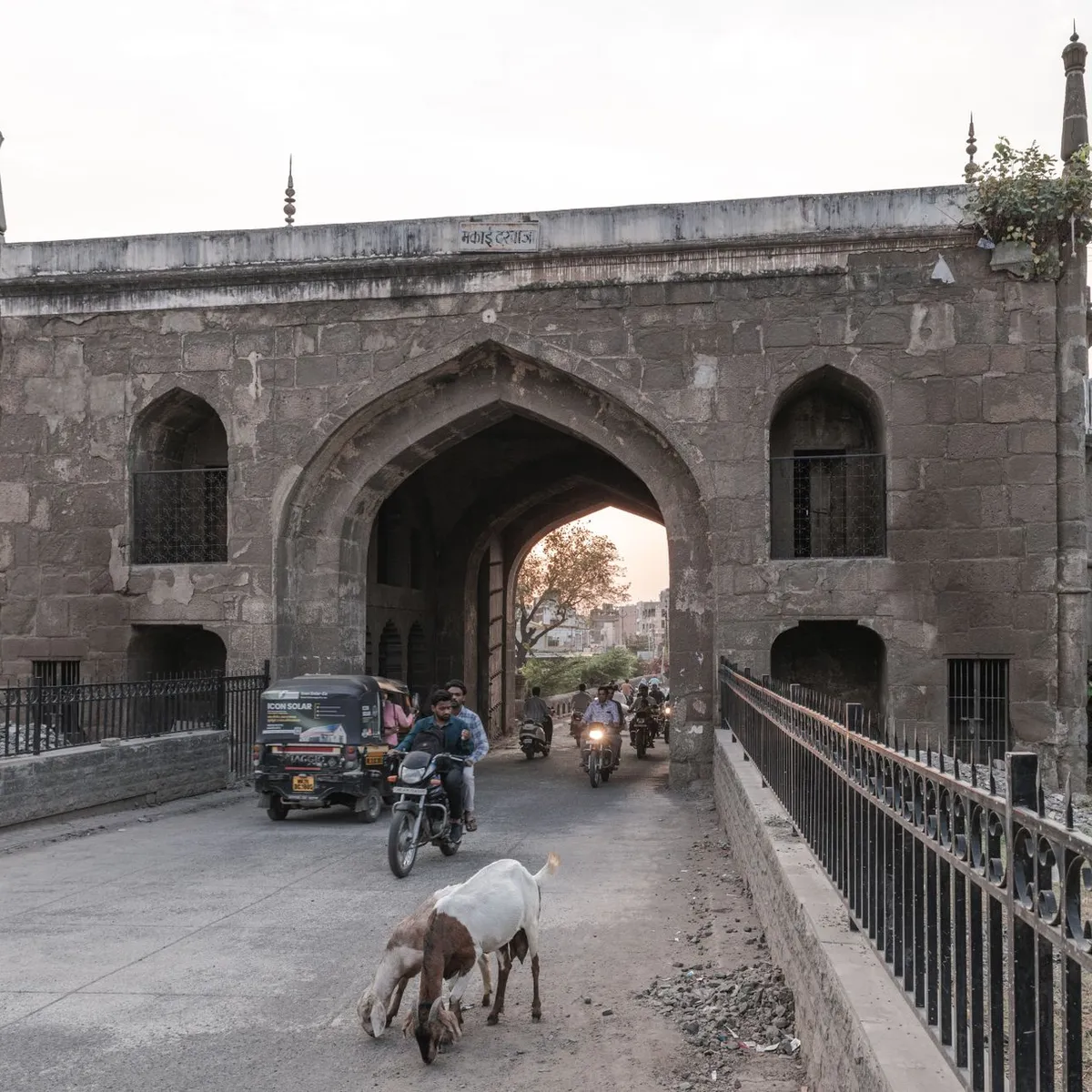
 Photo: Roman Saienko / Pexels
Bhayandar
Bhayandar accessibility for wheelchair users
Compare Bhayandar by accessibility, transport, terrain, healthcare, cost, weather, laws, reviews, and community notes.
Bhayandar accessibility scores
Compare Bhayandar by accessibility, transport, terrain, healthcare, cost, weather, and laws. General stats use public data and models. Community rows reflect member reviews and votes.
General stats
National benchmarks and estimates — your experience in this city may differ.
Community
Starts from our estimate — thumbs up nudge toward Excellent, down toward Poor. Reviews use 1–5 stars.
These figures combine public statistics, models, and live weather where available. Every city is different — treat this as a guide, and share what you know in the Reviews & Corrections tab.
Profile last updated 7/2/2026.
Bhayandar wheelchair accessibility guide
Research Bhayandar for wheelchair users and caregivers: getting around, terrain, healthcare, costs, climate, accessible things to do, and practical caveats before booking.
Last updated 7/2/2026At a glance
Bhayandar, part of the Mira-Bhayandar area north of Mumbai, can be a cost-effective base near the Mumbai metropolitan region, but it is not naturally wheelchair-friendly. RollVenture’s row shows low ramp availability, modest wheelchair-transport confidence and living costs from ~$1,412/mo, with housing from ~$540/mo. The main value is proximity to Mumbai-side services, coastal neighborhoods and larger hospitals; the main drawback is everyday sidewalk and traffic friction.
Getting around
Plan around app taxis, hired cars and short assisted trips. Suburban rail is important locally, but step-free access, platform gaps and crowding vary by station and time of day, so it should not be the default for a wheelchair user without local confirmation. Roads can be congested and curb cuts inconsistent. For longer outings toward Mumbai, leave wide buffers and confirm where the vehicle can legally stop close to the entrance.
Terrain & mobility
The DB profile labels the terrain as hilly, with an elevation range around 226 m, though much of day-to-day Bhayandar and Mira Road is low coastal urban fabric. The pavement profile is low-confidence and mostly untagged, which matches the need for local route checks. Expect broken footpaths, parked motorcycles, shop thresholds and open drainage in some areas. Newer malls, clinics and apartment towers are better bets than older street markets.
Healthcare & care
The OSM healthcare profile lists Saint Anne's Hospital and several larger leads toward Borivali and the wider Mumbai side, including emergency-tagged facilities. Treat those as starting points. Before moving, choose a hospital reachable without crossing the worst traffic and confirm lift access, wheelchair entry and accessible toilets. For regular care or attendants, local family networks, building managers and hospital referrals may work better than general listings.
Costs & housing
Costs are comparatively low in the RollVenture dataset: transport from ~$138/mo, medical from ~$105/mo, PT from ~$74/mo and home aid from ~$292/mo. The accessible-housing premium can still be significant. Require a lift, generator or power-backup plan if needed, step-free building entry, a bathroom video and confirmation that a wheelchair can turn between bed, door and toilet. Monsoon drainage around the building matters.
Climate & comfort
The Mumbai region is hot and humid, with a heavy monsoon. Rain can flood roads, make curb ramps slippery and turn small pavement breaks into serious barriers. Heat management, backup charging and a waterproof plan for controls are important. Winter is more comfortable and usually the best season for testing neighborhoods.
Accessible things to do
Global Vipassana Pagoda— a major nearby landmark on the Gorai side; verify current wheelchair route, ferry/road approach and restroom access before visiting.
Maxus Mall / newer Mira-Bhayandar malls— practical indoor options for food, toilets and predictable surfaces, though lifts and parking should still be checked.
Sanjay Gandhi National Park edge / Kanheri side trip— possible with a vehicle, but terrain and historic caves can be difficult; treat it as viewpoint-first unless access is confirmed.
Bhayandar and Mira Road seafront or creek promenades— useful for short outdoor rolls where paving is intact; inspect surfaces locally after monsoon damage.
Community & language
Marathi, Hindi and Gujarati are common, with English useful in hospitals, malls and professional housing. People may be very willing to help, but independent access is inconsistent. For best results, use exact questions and photos: “How many steps?” “Is there a working lift?” “Can the car reach the entrance?”
Would we recommend it?
Maybe, if Mumbai proximity and budget matter more than smooth independent mobility. Bhayandar is workable with a good building, a reliable driver and monsoon caution; it is frustrating if you need spontaneous curb-to-curb wheelchair access every day.
These figures combine public statistics, models, and live weather where available. Every city is different — treat this as a guide, and share what you know in the Reviews & Corrections tab.
Profile last updated 7/2/2026.
Reviews & corrections
Share your experience or suggest a data correction. Both appear publicly; admin updates official city scores and costs separately.
Log in to write a review or suggest a correction.
No reviews or corrections yet.