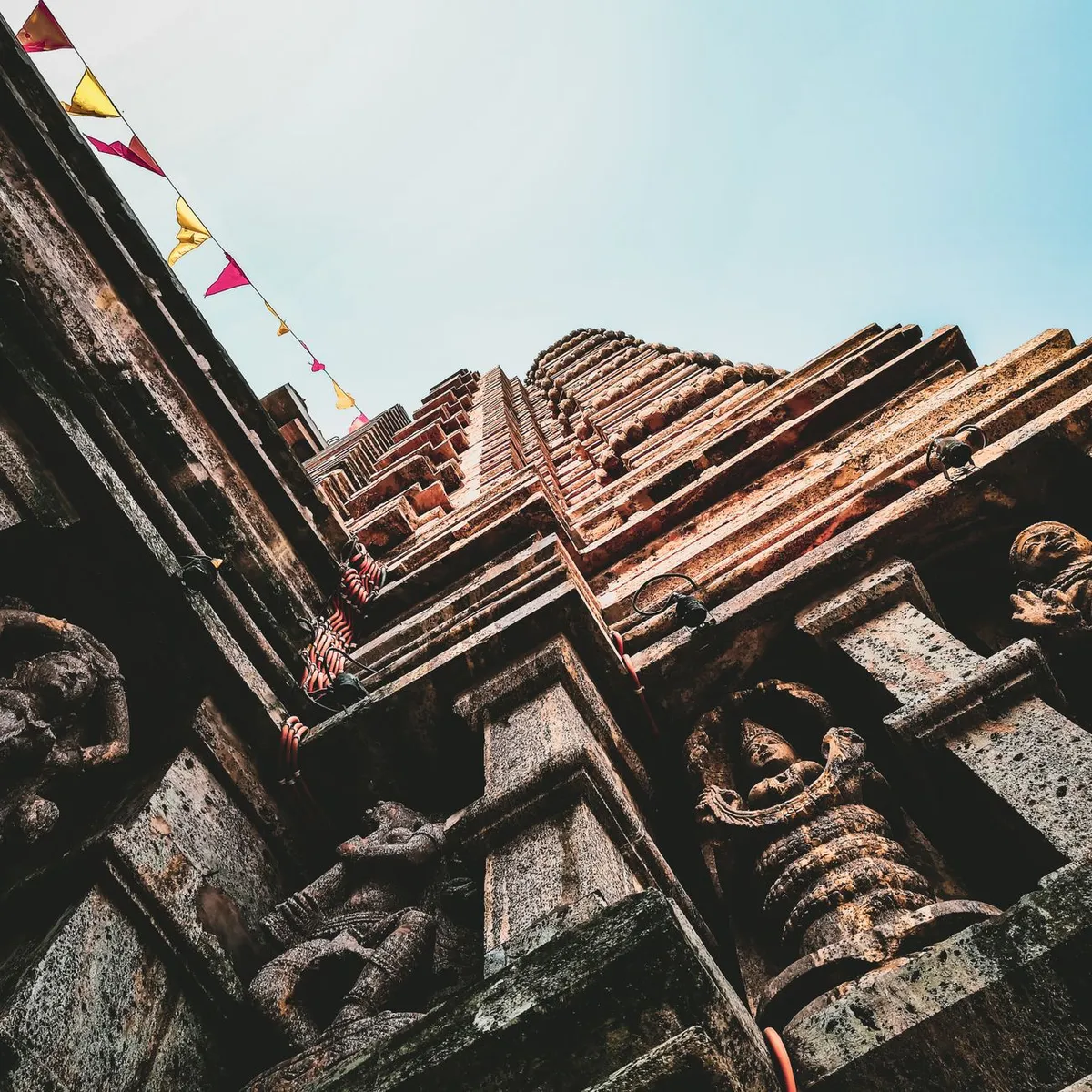
 Photo: Rahul Pandit / Pexels
Bhubaneshwar
Bhubaneshwar accessibility for wheelchair users
Compare Bhubaneshwar by accessibility, transport, terrain, healthcare, cost, weather, laws, reviews, and community notes.
Bhubaneshwar accessibility scores
Compare Bhubaneshwar by accessibility, transport, terrain, healthcare, cost, weather, and laws. General stats use public data and models. Community rows reflect member reviews and votes.
General stats
National benchmarks and estimates — your experience in this city may differ.
Community
Starts from our estimate — thumbs up nudge toward Excellent, down toward Poor. Reviews use 1–5 stars.
These figures combine public statistics, models, and live weather where available. Every city is different — treat this as a guide, and share what you know in the Reviews & Corrections tab.
Profile last updated 7/1/2026.
Bhubaneshwar wheelchair accessibility guide
Research Bhubaneshwar for wheelchair users and caregivers: getting around, terrain, healthcare, costs, climate, accessible things to do, and practical caveats before booking.
Last updated 7/1/2026At a glance
Bhubaneshwar (Bhubaneswar), Odisha’s capital, is a practical but still challenging base for wheelchair users. The live RollVenture row rates costs relatively favorably, with estimated monthly living costs from ~$1,437/mo and housing from ~$567/mo, but the accessibility score is low. Treat the city as a place where private arrangements matter more than spontaneous rolling. The terrain profile is one of its advantages: central areas are gently rolling rather than steep, and the DB sample shows only about a 1% maximum sampled grade. The harder part is infrastructure: kerb cuts, lift access, and smooth pedestrian routes are inconsistent, and the pavement sample has low confidence.
Getting around
Plan around hired cars, hotel-arranged vans, and pre-booked drivers rather than assuming accessible public transport. Bhubaneswar has buses and auto-rickshaws, but step-free boarding and secure wheelchair space should be confirmed before depending on them. Biju Patnaik International Airport is close to the city; request wheelchair assistance with the airline and airport in advance, then reconfirm on arrival. For daily errands, choose accommodation near the places you expect to visit, because short distances can still become difficult when pavements are broken or blocked.
Terrain & mobility
The city’s broad roads and mostly flat elevation profile are helpful, especially compared with hillier Indian cities. The issue is the last 50 metres: uneven footpaths, open drains, construction, parked two-wheelers, and missing ramps can interrupt otherwise simple routes. A powerchair user should verify doorway widths and lift dimensions before booking; a manual chair user will likely want a companion for kerbs and road crossings. Monsoon rains can flood low spots and make unpaved edges muddy.
Healthcare & care
OpenStreetMap-derived healthcare leads in the row include Jagannath Hospital, Shree Hospitals, Lion’s Eye Hospital, Apollo Hospitals, and Zenith Clinic. Treat these as planning leads, not guarantees of accessible wards or transfer equipment. Apollo is a useful private-hospital name to check first because it is easier to contact than smaller clinics. Bring medication documentation, ask hotels about pharmacy delivery, and arrange personal care privately; do not assume trained home-aid availability without a local contact.
Costs & housing
The DB estimate puts monthly living from ~$1,437/mo, with food from ~$263/mo and transport from ~$137/mo. Accessible housing is the bigger variable. Newer apartments and business hotels are more promising than older guesthouses, but “accessible” may mean only a ramp at reception. Ask for photos of the entrance, bathroom threshold, shower area, lift, bed height, and route from parking to room before paying.
Climate & comfort
Bhubaneshwar is hot and humid for much of the year, with a heavy monsoon. Heat management is a real accessibility issue: schedule outdoor temple or garden visits early, carry water, and choose vehicles with working air-conditioning. Rain can turn ramps slippery and make street crossings more hazardous.
Accessible things to do
Odisha State Museum— A central indoor cultural stop and a better bad-weather option than long outdoor temple circuits; confirm ramps, galleries, and restroom access before visiting.
Nandankanan Zoological Park— Official web presence confirms the major zoo destination north of the city. It is spread out, so wheelchair users should check current vehicle, route, and restroom arrangements rather than assuming all paths are easy.
Udayagiri and Khandagiri Caves viewpoint areas— A signature Bhubaneswar site, but the caves themselves involve slopes and steps. Treat it as a companion-assisted partial visit focused on reachable viewpoints and exterior context.
Lingaraj Temple precinct exterior— The temple is a major heritage anchor, but access rules and physical barriers are significant. Wheelchair users may get more value from a careful exterior/old-city route with a local guide than from expecting full site access.
Community & language
Odia is the local language; Hindi and English are useful in hotels, hospitals, and travel services. Local hospitality is a plus, but disability access vocabulary can be imprecise, so use photos and measurements.
Would we recommend it?
Yes, but only for wheelchair users comfortable with India-style access friction and private logistics. The flat terrain, strong cultural sites, and lower costs help; inconsistent pavements, heat, and uncertain transport keep it from being an easy first South Asia base.
These figures combine public statistics, models, and live weather where available. Every city is different — treat this as a guide, and share what you know in the Reviews & Corrections tab.
Profile last updated 7/1/2026.