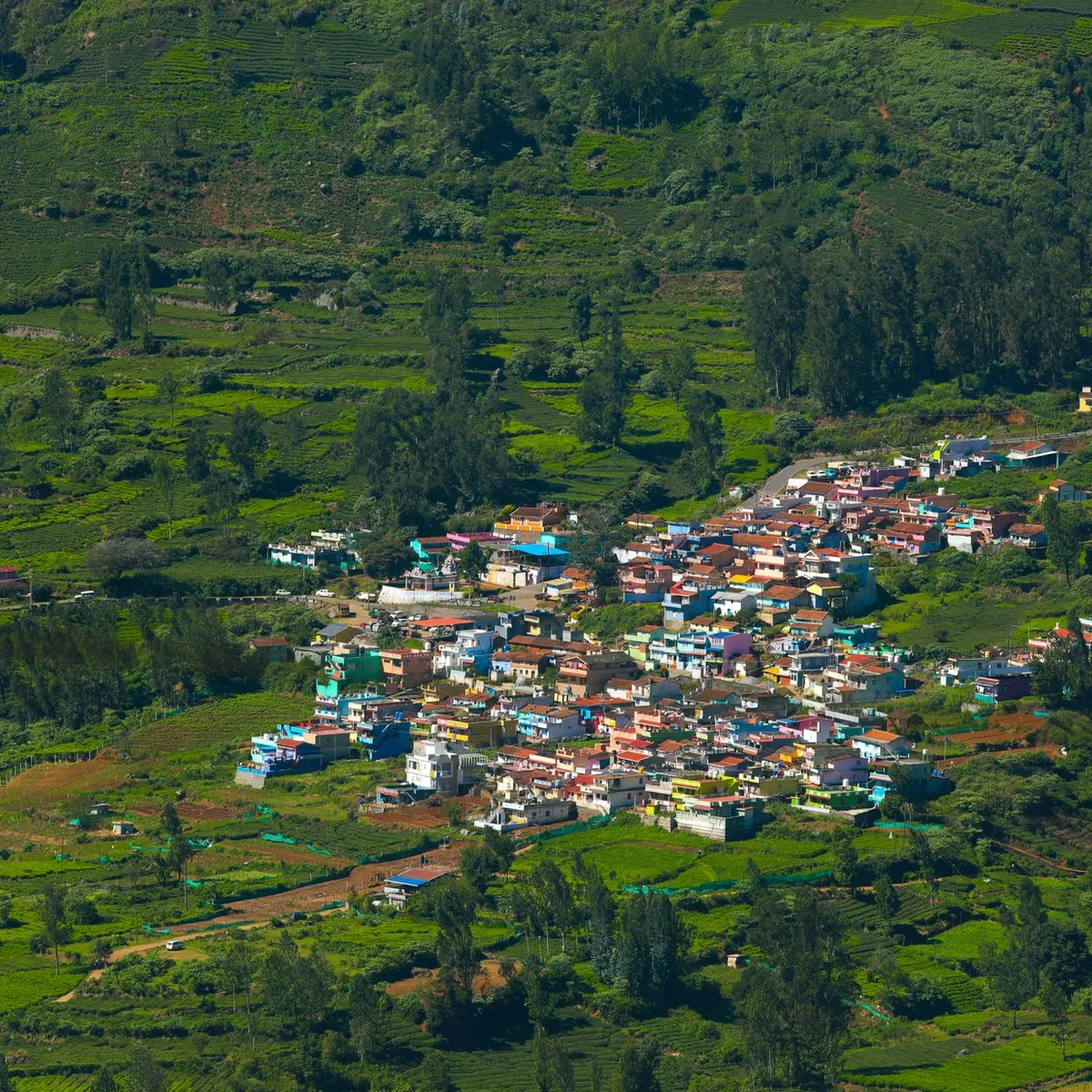
 Photo: Renjith Tomy Pkm / Pexels
Solāpur
Solāpur accessibility for wheelchair users
Compare Solāpur by accessibility, transport, terrain, healthcare, cost, weather, laws, reviews, and community notes.
Solāpur accessibility scores
Compare Solāpur by accessibility, transport, terrain, healthcare, cost, weather, and laws. General stats use public data and models. Community rows reflect member reviews and votes.
General stats
National benchmarks and estimates — your experience in this city may differ.
Community
Starts from our estimate — thumbs up nudge toward Excellent, down toward Poor. Reviews use 1–5 stars.
These figures combine public statistics, models, and live weather where available. Every city is different — treat this as a guide, and share what you know in the Reviews & Corrections tab.
Profile last updated 7/1/2026.
Solāpur wheelchair accessibility guide
Research Solāpur for wheelchair users and caregivers: getting around, terrain, healthcare, costs, climate, accessible things to do, and practical caveats before booking.
Last updated 7/1/2026At a glance
Solāpur is a large inland Maharashtra city with strong regional identity, temple traffic, textile commerce, and relatively low living costs. For wheelchair users, its main advantage is affordability and a cluster of local healthcare leads; its main drawback is limited verified accessible tourism information. DB costs show monthly living from ~$1,452/mo, housing from ~$586/mo, medical from ~$105/mo, and transport from ~$74/mo. The city is not steep in the sampled terrain, but sidewalks and venue entrances still need careful checking. It is better suited to travelers with local contacts or family-style support than to first-time solo wheelchair travel.
Getting around
Solapur Junction is an important rail stop, and the city has buses, autos, taxis, and road links across Maharashtra and Karnataka. Indian Railways’ Divyangjan information can help with rail concessions and assistance requests, but platform access, lift availability, and boarding support must be confirmed for the exact journey. Inside the city, use hotel-arranged cars or known drivers. Autos can be useful for companions but are rarely comfortable for wheelchair transfers or equipment.
Terrain & mobility
The DB terrain profile is gently rolling with a low sampled max grade and average elevation around 465 m, so slope is less of a problem than surface quality. OSM pavement confidence is low and most surfaces are untagged, with asphalt appearing as a dominant surface. Expect discontinuous footpaths, high kerbs, market congestion, and step-up entrances. A power chair may handle distances better, but a manual chair user should plan for push assistance, especially near temples and old commercial areas.
Healthcare & care
OSM-derived healthcare leads near the center include Dr. Nitin Rathi Hospital, Bhaveshwar Hospital, Krishna Mai Nursing Home, Dhanraj Girji Charitable Trust Hospital, and Ashwini Sahakari Rugnalaya. Use these as leads only. Call ahead about emergency services, elevators, wheelchair entry, and whether attendants can remain with the patient. For longer stays, verify pharmacy delivery, a physiotherapy option, and accessible ambulance transfer. The DB home-aid estimate from ~$289/mo is useful for budgeting but does not guarantee trained personal care.
Costs & housing
Solapur’s DB affordability is strong: housing from ~$586/mo and lower medical/transport estimates than many metros. The hard part is accessible housing stock. Favor newer apartment blocks, business hotels, or hospital-adjacent lodging where staff can send entrance and bathroom videos. Confirm lift size, backup power, mattress height, toilet grab-bar alternatives, and whether a shower chair can be arranged. Step-free access to the dining area matters because street food and small eateries may be difficult.
Climate & comfort
The climate is hot and dry for much of the year, with monsoon rain adding street-surface problems. Heat, dust, and traffic make midday rolling uncomfortable. Choose air-conditioned rooms, plan short outings, and keep wheelchair repair basics on hand. A shaded car pickup point is more important here than a long walking itinerary.
Accessible things to do
Siddheshwar Temple and lake area— a defining Solapur landmark; verify step-free approach, crowding, and whether wheelchair users can remain on level perimeter areas rather than entering tight temple sections.
Bhuikot Fort area— historically notable but likely uneven; treat as an exterior or partial visit unless current local staff confirm surface and entry access.
Rang Bhavan / city cultural venues— possible low-effort evening activity if vehicle drop-off and seating access are confirmed in advance.
Textile and local market corridors— useful for understanding Solapur’s identity, but choose a quieter time and roll only with a companion because kerbs and crowding can be difficult.
Community & language
Marathi is the main language, with Hindi common and English mostly in hotels, hospitals, and official settings. Solapur can be socially practical if you have a local fixer, driver, or family contact. Written addresses, WhatsApp messages, and photos of ramps or bathrooms are more reliable than verbal assurances.
Would we recommend it?
Only for purpose-driven stays, family visits, medical proximity, or experienced budget travelers. Solapur is affordable and not especially steep, but sparse verified accessibility data means every hotel, vehicle, and attraction needs confirmation before arrival.
These figures combine public statistics, models, and live weather where available. Every city is different — treat this as a guide, and share what you know in the Reviews & Corrections tab.
Profile last updated 7/1/2026.