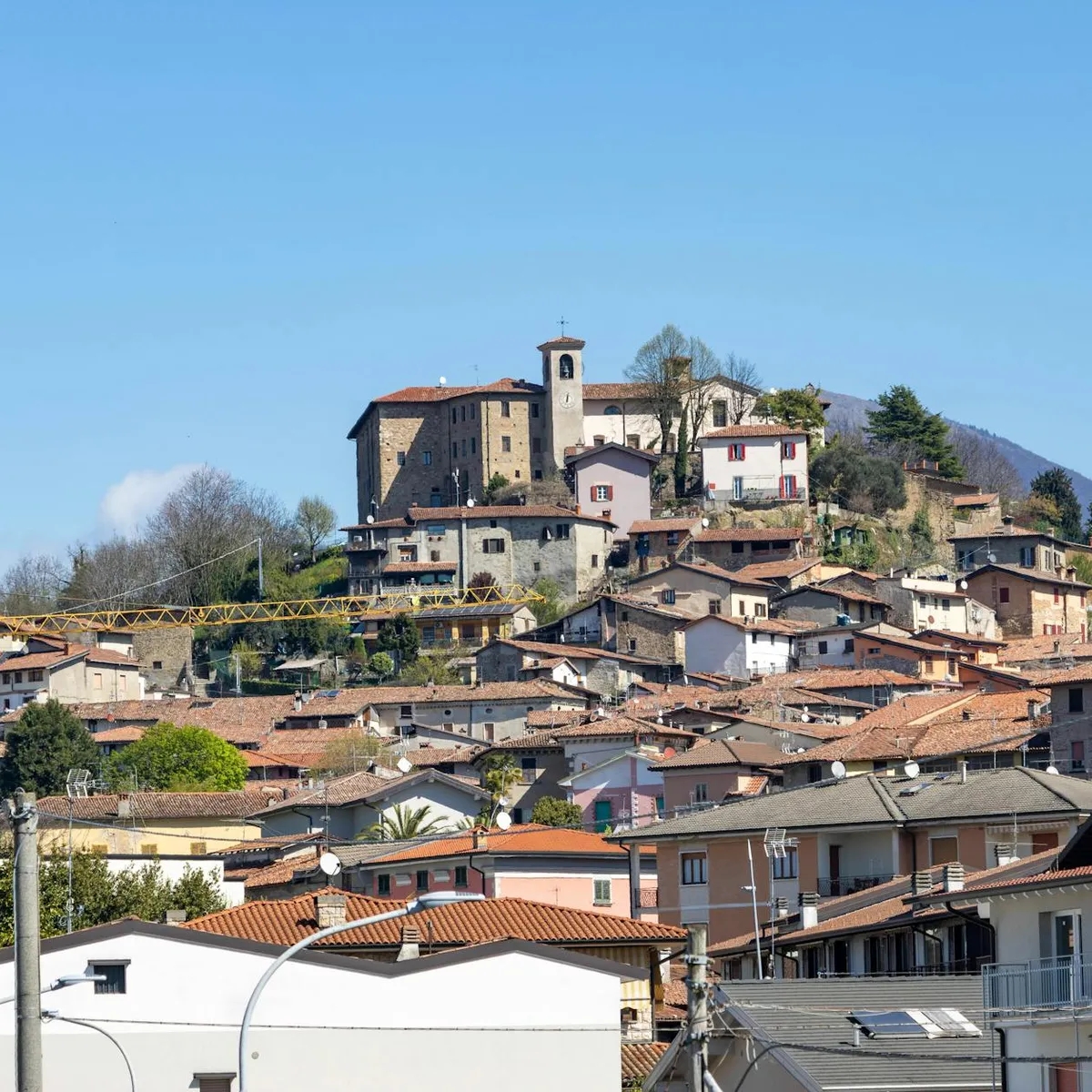
 Photo: Marco Piccinelli / Pexels
Brescia
Brescia accessibility for wheelchair users
Compare Brescia by accessibility, transport, terrain, healthcare, cost, weather, laws, reviews, and community notes.
Brescia accessibility scores
Compare Brescia by accessibility, transport, terrain, healthcare, cost, weather, and laws. General stats use public data and models. Community rows reflect member reviews and votes.
General stats
National benchmarks and estimates — your experience in this city may differ.
Community
Starts from our estimate — thumbs up nudge toward Excellent, down toward Poor. Reviews use 1–5 stars.
These figures combine public statistics, models, and live weather where available. Every city is different — treat this as a guide, and share what you know in the Reviews & Corrections tab.
Profile last updated 6/30/2026.
Brescia wheelchair accessibility guide
Research Brescia for wheelchair users and caregivers: getting around, terrain, healthcare, costs, climate, accessible things to do, and practical caveats before booking.
Last updated 6/30/2026At a glance
Brescia is a northern Italian city with strong cultural anchors, good pavement data in the DB profile, and a harder terrain story near the castle and hillside edges. Modeled living costs start around ~$3,103/mo, with housing from ~$1,411/mo. It can work for wheelchair users who base themselves near the flatter historic center or metro corridor and treat hillside sights as optional.
Getting around
Brescia has an urban metro plus buses and regional rail. The local metro is a useful planning spine, but station lift status, platform gaps, and replacement buses should be checked before relying on it. Taxis and private transfers may be needed for evening trips, hospital visits, or hillier destinations. Staying near a metro stop or the central pedestrian area reduces transfer risk.
Terrain & mobility
The DB pavement profile is high-confidence and strong, with many tagged good surfaces, but the terrain profile flags very hilly samples and a large elevation range. That combination means central routes can be comfortable while the castle and northern slopes become demanding quickly. Expect stone paving, narrow sidewalks, curb transitions, and occasional steep approaches around heritage streets. Pick lodging on flatter streets and map each POI from the entrance, not just from the neighborhood.
Healthcare & care
OSM-derived healthcare leads include an emergency point around the city hospital area plus several specialist clinics. Treat those as location leads only. For a longer stay, confirm emergency access, accessible parking or drop-off, English or translation support, and whether private clinics can handle recurring rehab or prescriptions. Italy’s public system is strong, but appointment logistics vary locally.
Costs & housing
Brescia is not a budget base in this set: modeled monthly cost is from ~$3,103 and housing from ~$1,411. Newer apartment blocks outside the oldest center are more likely to have lifts and step-free entries. In the historic core, ask carefully about stairs before the elevator, courtyard paving, bathroom turning radius, and whether deliveries or taxis can reach the door.
Climate & comfort
Summers can be hot and humid; winters are colder and can bring fog or wet stone surfaces. Shoulder seasons are more comfortable for slow sightseeing. Rain makes cobbles, castle approaches, and sloped streets more tiring.
Accessible things to do
Santa Giulia Museum / Brescia Museums route— one of the strongest indoor cultural anchors; verify the current accessible entrance and any room-by-room limits.
Piazza della Loggia and Piazza Paolo VI— central open squares that are easier to sample than hillside sights, though stone paving requires care.
Brescia Castle lower viewpoints— the castle is iconic but uphill; consider vehicle access or lower viewpoints rather than assuming a full independent visit.
Brixia Roman archaeological area— important UNESCO-linked heritage near the center; confirm ramps, lifts, and surface restrictions before booking.
Community & language
Italian is primary, with English more common in museums and hotels than in everyday errands. Brescia has a practical, less tourist-saturated feel, so written access questions and advance calls help.
Would we recommend it?
Yes for culture-focused travelers who can choose housing carefully and avoid the steepest routes. It is less forgiving than flatter northern Italian cities, but the central cultural network and pavement data make it viable with planning.
These figures combine public statistics, models, and live weather where available. Every city is different — treat this as a guide, and share what you know in the Reviews & Corrections tab.
Profile last updated 6/30/2026.