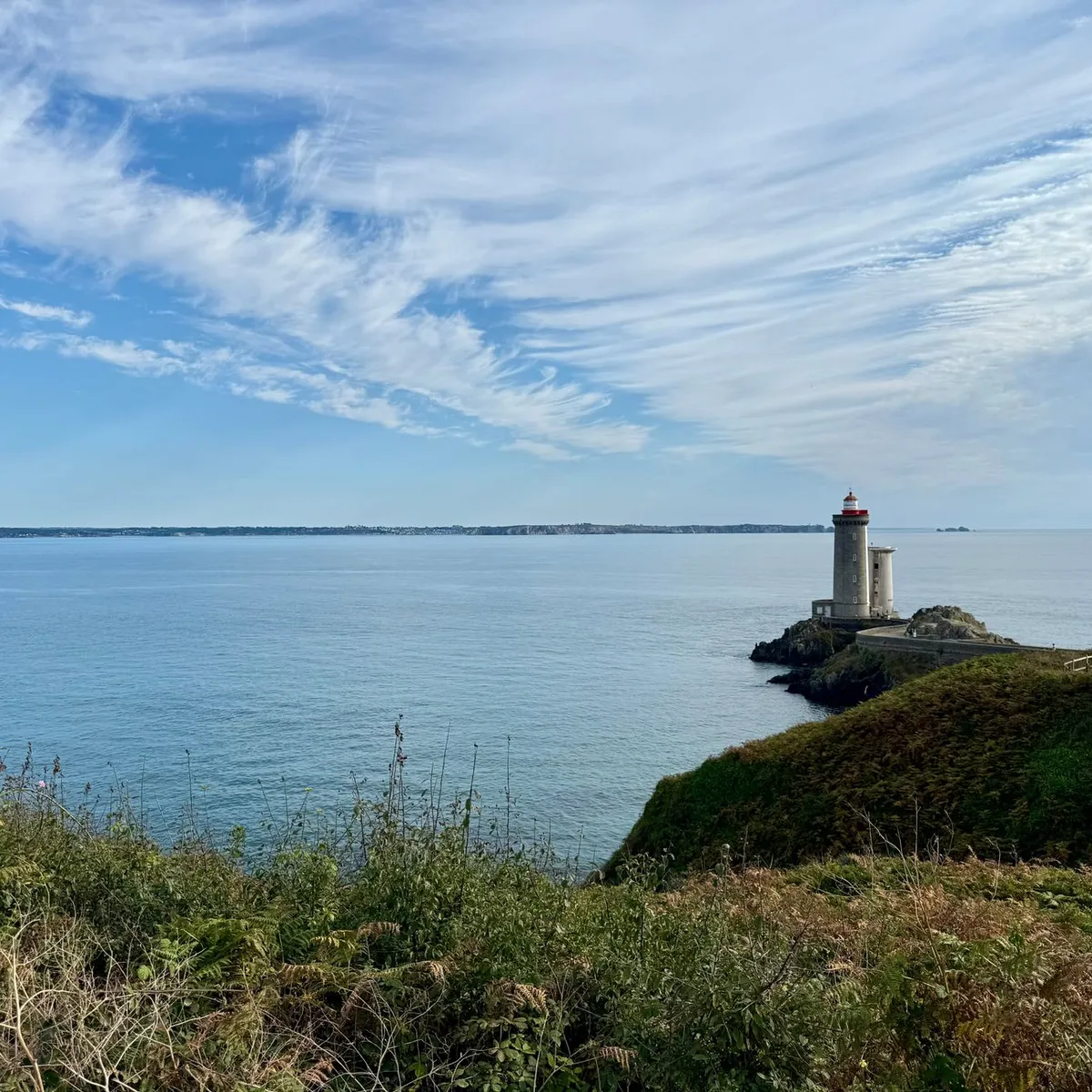
 Photo: Arnauld van Wambeke / Pexels
Brest
Brest accessibility for wheelchair users
Compare Brest by accessibility, transport, terrain, healthcare, cost, weather, laws, reviews, and community notes.
Brest accessibility scores
Compare Brest by accessibility, transport, terrain, healthcare, cost, weather, and laws. General stats use public data and models. Community rows reflect member reviews and votes.
General stats
National benchmarks and estimates — your experience in this city may differ.
Community
Starts from our estimate — thumbs up nudge toward Excellent, down toward Poor. Reviews use 1–5 stars.
These figures combine public statistics, models, and live weather where available. Every city is different — treat this as a guide, and share what you know in the Reviews & Corrections tab.
Profile last updated 6/30/2026.
Brest wheelchair accessibility guide
Research Brest for wheelchair users and caregivers: getting around, terrain, healthcare, costs, climate, accessible things to do, and practical caveats before booking.
Last updated 6/30/2026At a glance
Brest is a compact Atlantic port city with good transit potential, high-quality pavement signals in the live row, and a climate that is easier on heat-sensitive travelers than much of inland France. RollVenture’s row shows from ~$3,512/mo living cost and housing from ~$1,568/mo. The best base is near the tram, the city center, or the harbor-facing cultural corridor, where distances stay short and medical, shopping, and visitor infrastructure are close. The caveat is weather: wind, rain, and exposed slopes can make otherwise short trips tiring.
Getting around
Bibus is the local public-transport operator, and Brest has a tram plus buses. For wheelchair users, plan around the tram corridor first, then use buses for secondary trips. Always verify stop works, ramp/lift status, and the exact access path to accommodation, because a “near tram” listing may still involve a steep side street or awkward paving. Taxis adapted for wheelchair users should be booked in advance rather than assumed on demand.
Terrain & mobility
The DB terrain profile is gently rolling, with a low sampled maximum grade near the center, but Brest’s port geography still creates noticeable rises between the waterfront, bridges, and upper town. Pavement confidence is high, with asphalt and paving-stone surfaces prominent. That is encouraging for daily rolling, but rain-slick paving stones, harbor winds, and construction around transit stops deserve attention.
Healthcare & care
OpenStreetMap leads include Hôpital Morvan and central clinics; CHU Brest is the main hospital system to verify for specialties and emergency planning. The live medical estimate is from ~$154/mo, with home aid from ~$809/mo. If you need regular personal care, arrange services before arrival and confirm whether providers cover both central Brest and any coastal/suburban accommodation.
Costs & housing
Brest is generally more affordable than Paris or the Riviera but not a bargain once accessible housing is filtered. Use the DB baseline: from ~$3,512/mo total, housing from ~$1,568/mo, transport from ~$300/mo, and home aid from ~$809/mo. Look for modern lift buildings near tram stops, step-free shower photos, and clear lobby-to-street routes. Older central apartments can have half-level lifts, heavy doors, or sloped entries.
Climate & comfort
The city is mild, wet, windy, and rarely extremely hot. That helps for heat sensitivity but creates wet-weather mobility friction. A wheelchair user should plan covered transfer points, rain gear that does not foul wheels, and indoor backup activities for stormy days.
Accessible things to do
Océanopolis— The aquarium publishes an accessibility page and is one of the strongest verified visitor anchors; still check current lift, restroom, and assistance details before visiting.
Brest tram corridor— The tram is a practical way to sample the city with fewer steep walking links; verify stop access and disruptions before setting out.
Musée des Beaux-Arts de Brest— A central indoor culture stop; the official museum site was reachable, but wheelchair entrance and lift details should be confirmed directly.
Port and marina promenades— Good for flatter outdoor time when wind is manageable; check pavement, curb cuts, and accessible restrooms on the planned section.
Téléphérique / Capucins area— A distinctive Brest route and district to consider only after verifying current step-free boarding and destination access.
Community & language
French is needed for healthcare and housing calls, though tourism staff may have some English. Brest has a student, naval, and healthcare ecosystem, so services are present, but disability logistics still require direct confirmations.
Would we recommend it?
Yes for travelers who want a smaller French city with transit, hospitals, and coastal climate. It is less suitable if wind, rain, or slopes are major barriers. Choose housing by tram access and verified building details, not just neighborhood charm.
These figures combine public statistics, models, and live weather where available. Every city is different — treat this as a guide, and share what you know in the Reviews & Corrections tab.
Profile last updated 6/30/2026.
Reviews & corrections
Share your experience or suggest a data correction. Both appear publicly; admin updates official city scores and costs separately.
Log in to write a review or suggest a correction.
No reviews or corrections yet.