 Photo: K / Pexels
Budapest XI. kerület
Budapest XI. kerület accessibility for wheelchair users
Compare Budapest XI. kerület by accessibility, transport, terrain, healthcare, cost, weather, laws, reviews, and community notes.
Budapest XI. kerület accessibility scores
Compare Budapest XI. kerület by accessibility, transport, terrain, healthcare, cost, weather, and laws. General stats use public data and models. Community rows reflect member reviews and votes.
General stats
National benchmarks and estimates — your experience in this city may differ.
Community
Starts from our estimate — thumbs up nudge toward Excellent, down toward Poor. Reviews use 1–5 stars.
These figures combine public statistics, models, and live weather where available. Every city is different — treat this as a guide, and share what you know in the Reviews & Corrections tab.
Profile last updated 6/30/2026.
Budapest XI. kerület wheelchair accessibility guide
Research Budapest XI. kerület for wheelchair users and caregivers: getting around, terrain, healthcare, costs, climate, accessible things to do, and practical caveats before booking.
Last updated 6/30/2026At a glance
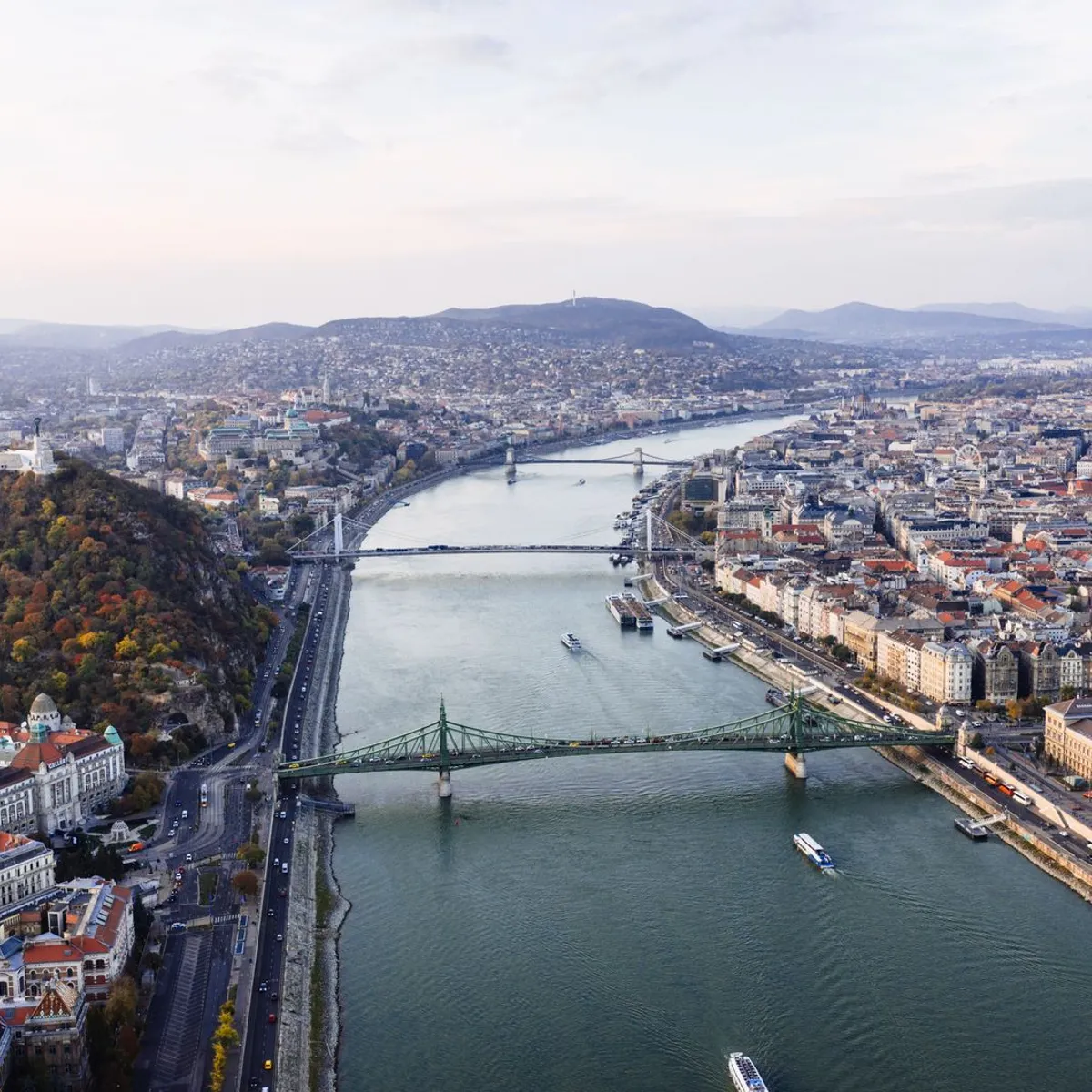
Budapest XI. kerület (Újbuda) is a practical Buda-side base for people who want Budapest services without staying in the steepest tourist core. The live row shows a score-66 city profile, population about 139,049, high-confidence pavement data, and monthly living costs from ~$2,308/mo with housing from ~$1,008/mo. Treat those costs as planning anchors, not quotes. The district has riverside flats near the Danube, busy transit nodes around Móricz Zsigmond körtér and Kelenföld, and hillier residential pockets toward Gellért Hill and Sas-hegy.
Getting around
Budapest's BKK accessibility page was reachable during research and is the best starting point for step-free route planning. In XI, metro line M4, tram corridors, buses, and Kelenföld rail links can work well, but not every surface stop or older transfer is equal. Wheelchair users should check BKK's current low-floor vehicle and lift information before committing to a route, especially when a journey crosses to older Buda hillside streets.
Terrain & mobility
The DB terrain profile marks the area as hilly, with a sampled maximum grade around 4.5% and high pavement confidence. Riverside and boulevard sections are usually the easier choice. Gellért Hill, castle-side outings, and upper residential streets add slopes, curb transitions, and occasional stone or older paving. Build routes around known accessible transit stops rather than shortest walking distance.
Healthcare & care
The row lists several OSM healthcare leads within a few kilometres, including Diabetológiai centrum, Optimum Látásjavító Lézerközpont, Péterfy Sándor utcai kórház Szövetség utcai részlege, Mozgásszervi rehabilitációs központ, and Medicare. Use these as leads only: confirm language support, lift access, appointment rules, and whether the exact entrance is step-free before relying on a clinic.
Costs & housing
Costs are moderate for Europe but not cheap by regional standards: from ~$2,308/mo overall and from ~$1,008/mo housing in the stored profile. For accessible housing, newer buildings near M4 or tram lines are more promising than older walk-ups. Ask for lift dimensions, entry thresholds, bathroom turning space, and winter sidewalk maintenance before booking.
Climate & comfort
Budapest has hot summers, cold winters, and shoulder seasons that are usually easier for rolling. Summer heat can make long transfers tiring; winter ice can make curb ramps and stone paving unreliable. Air-conditioning and elevator reliability matter more than map distance.
Accessible things to do
BKK step-free transit corridors— Use BKK's accessibility information to build low-floor tram, bus, and metro routes through Újbuda and toward central Budapest.
Danube-side promenades near Újbuda— Flatter riverside stretches are often easier than hillside sightseeing; verify construction closures.
Gellért Hill viewpoints— Scenic but slope-heavy; best treated as a taxi or assisted outing unless current route access is confirmed.
Müpa / Palace of Arts area— A major modern cultural venue across the river; its accessibility page check failed in this run, so verify current lift and seating details before booking.
Community & language
Hungarian is the working language. English is common in central hospitality, international clinics, and larger venues, but less reliable for home-care coordination. Written confirmations help.
Would we recommend it?
Yes, with route discipline. Újbuda can be a strong Budapest base if you stay near step-free transit and avoid assuming every hillside shortcut is usable. It is not a carefree roll-anywhere district, but the combination of transport, clinics, and high-confidence pavement data makes it workable for prepared wheelchair users.
These figures combine public statistics, models, and live weather where available. Every city is different — treat this as a guide, and share what you know in the Reviews & Corrections tab.
Profile last updated 6/30/2026.