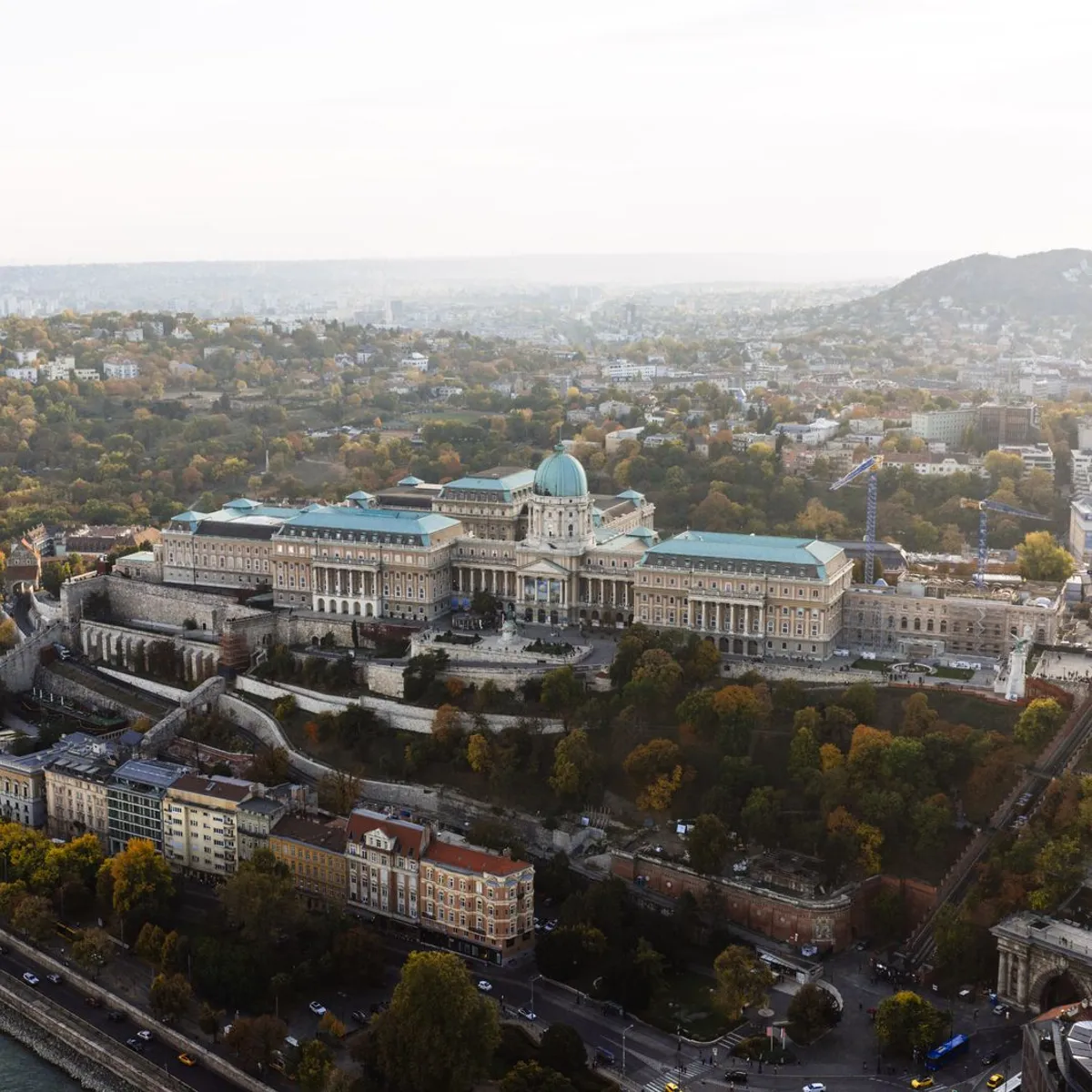
 Photo: K / Pexels
Budapest III. kerület
Budapest III. kerület accessibility for wheelchair users
Compare Budapest III. kerület by accessibility, transport, terrain, healthcare, cost, weather, laws, reviews, and community notes.
Budapest III. kerület accessibility scores
Compare Budapest III. kerület by accessibility, transport, terrain, healthcare, cost, weather, and laws. General stats use public data and models. Community rows reflect member reviews and votes.
General stats
National benchmarks and estimates — your experience in this city may differ.
Community
Starts from our estimate — thumbs up nudge toward Excellent, down toward Poor. Reviews use 1–5 stars.
These figures combine public statistics, models, and live weather where available. Every city is different — treat this as a guide, and share what you know in the Reviews & Corrections tab.
Profile last updated 6/30/2026.
Budapest III. kerület wheelchair accessibility guide
Research Budapest III. kerület for wheelchair users and caregivers: getting around, terrain, healthcare, costs, climate, accessible things to do, and practical caveats before booking.
Last updated 6/30/2026At a glance
Budapest III. kerület, better known as Óbuda, is a northern Budapest district with Roman ruins, Danube-side paths, housing estates, and hillier western edges. It benefits from Budapest's public-transport accessibility program and richer medical ecosystem, but the district itself is mixed: the DB terrain profile shows hills and an 8.2% sampled max grade, while pavement data is high-confidence with 72% good surfaces. Monthly living cost is listed from ~$2,286/mo, with housing from ~$1,008/mo.
Getting around
Use BKK's accessibility information and trip planning before each journey. BKK publishes English accessibility pages covering accessible transport and reduced-mobility travel, but not every stop, vehicle, or interchange is barrier-free. Low-floor buses and trams help along main corridors; metro and suburban rail interchanges need elevator checks. For Óbuda, choose accommodation near a verified step-free stop rather than assuming all historic streets are easy.
Terrain & mobility
This district is not uniformly flat. Riverside and panel-estate areas are more manageable, while western routes toward the Buda hills become noticeably steeper. The DB sample labels the terrain mixed, with 68% flat samples and a 384 m elevation range. Pavement is mostly asphalt, paving stones, and some setts; those setts can be tiring for manual-chair users even when technically passable.
Healthcare & care
OSM healthcare leads include Madarász Utcai Gyermekkórház Szakrendelő, a musculoskeletal rehabilitation center, Medicare, Art Medic, and Krio intézet. Budapest has broader hospital choice than many regional cities, but accessible appointment flow varies by clinic. Ask about step-free entry, lifts, accessible toilets, and whether staff can assist with transfers.
Costs & housing
The DB row lists transport from ~$198/mo, medical from ~$127/mo, and home aid from ~$485/mo. Accessible rentals are the main challenge: older buildings may lack elevators, and some ground-floor flats still have steps at the courtyard or building door. Prioritize newer elevator buildings near accessible tram or bus corridors.
Climate & comfort
Budapest has hot summers and cold winters. Snow and freeze-thaw conditions can make curb cuts and paving-stone streets harder in winter, while summer heat can make long exposed Danube routes tiring. Air-conditioned transit and housing are worth checking.
Accessible things to do
Aquincum Museum and Archaeological Park— the core Óbuda attraction; verify which indoor exhibitions, outdoor ruins, toilets, and paths are step-free before visiting, because archaeological surfaces can be uneven.
Fő tér, Óbuda— a compact historic square with cafés and museums nearby. It is useful for a shorter roll, but check cobbles, thresholds, and event crowding.
Danube promenade around Római-part— flatter riverside sections can be pleasant in good weather; path surfaces and seasonal flooding/mud should be checked locally.
Kiscelli Museum— an important museum in the district, but it sits in hillier terrain; contact the museum before visiting about step-free entrance, internal lifts, and taxi drop-off.
Community & language
Hungarian is the working language, though English is common in central Budapest services and larger museums. Disability-specific information exists through BKK and some venues, but confirmation by email is still useful.
Would we recommend it?
Yes for travelers who want Budapest access with a quieter residential base, but choose location carefully. Óbuda is not the easiest district for spontaneous wheelchair travel because terrain, cobbles, and transit interchanges vary sharply.
These figures combine public statistics, models, and live weather where available. Every city is different — treat this as a guide, and share what you know in the Reviews & Corrections tab.
Profile last updated 6/30/2026.