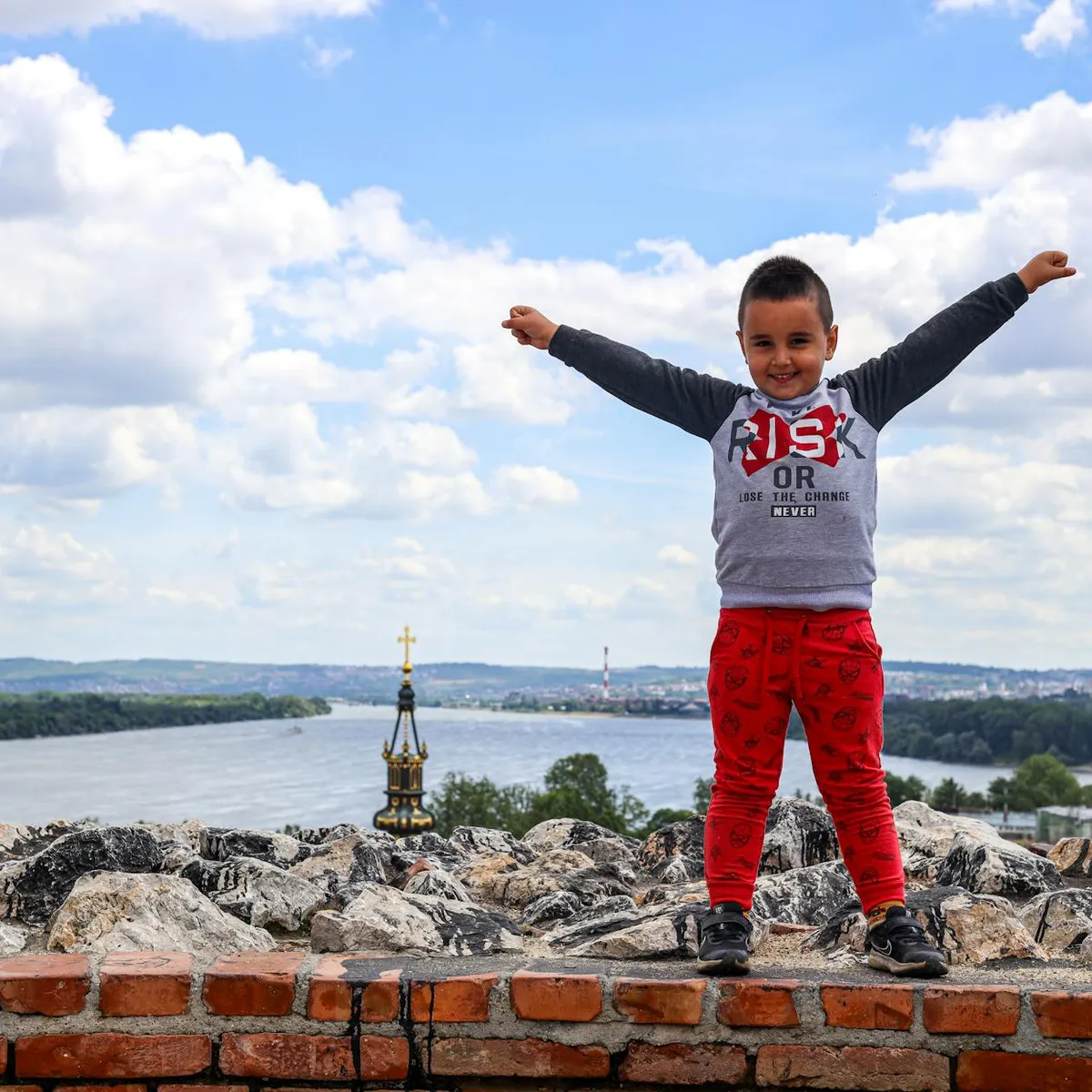
 Photo: Boris Hamer / Pexels
Novi Sad
Novi Sad accessibility for wheelchair users
Compare Novi Sad by accessibility, transport, terrain, healthcare, cost, weather, laws, reviews, and community notes.
Novi Sad accessibility scores
Compare Novi Sad by accessibility, transport, terrain, healthcare, cost, weather, and laws. General stats use public data and models. Community rows reflect member reviews and votes.
General stats
National benchmarks and estimates — your experience in this city may differ.
Community
Starts from our estimate — thumbs up nudge toward Excellent, down toward Poor. Reviews use 1–5 stars.
These figures combine public statistics, models, and live weather where available. Every city is different — treat this as a guide, and share what you know in the Reviews & Corrections tab.
Profile last updated 6/30/2026.
Novi Sad wheelchair accessibility guide
Research Novi Sad for wheelchair users and caregivers: getting around, terrain, healthcare, costs, climate, accessible things to do, and practical caveats before booking.
Last updated 6/30/2026At a glance
Novi Sad is a lower-cost Danube city with a lively center, university energy, and easier day-to-day scale than Belgrade. For wheelchair users, the promise is mixed: RollVenture's row shows high-confidence pavement data with mostly asphalt and paving stones, but low ramp and transport scores and a hilly wider terrain sample. It can work for a budget-conscious stay if you base near the flat central grid, avoid steep approaches toward Petrovaradin Fortress unless assisted, and verify accommodation carefully. Estimated living cost starts around ~$2,251/mo.
Getting around
Local buses are the backbone of transit, but wheelchair accessibility can vary by vehicle and stop. Plan as if ride-hailing or taxis may be needed for bad weather, late evenings, or trips across the river. The central pedestrian streets are the most usable area for independent rolling, while bridge crossings and fortress-side routes need more caution. For intercity travel, confirm railway or coach assistance in advance rather than expecting spontaneous boarding help.
Terrain & mobility
The central part of Novi Sad is relatively manageable, but the DB sample labels the wider area hilly, with a 6.2% maximum sampled grade and 277 m elevation range. Pavement data is high-confidence, about 70% good and 1% poor in the sample, with asphalt, paving stones, and some sett. That suggests usable main routes with rough pockets. Manual chair users should treat side streets, older courtyards, curb ramps, and winter ice as the main friction points.
Healthcare & care
DB healthcare leads include Genesis, several Clinical Centre of Vojvodina clinics, Medigroup, and Dom zdravlja “Bulevar.” These OSM-derived leads need direct verification for entrances, elevators, toilets, and appointment pathways. Novi Sad has regional medical capacity, but specialized disability equipment, English-language coordination, and personal-care staffing should be arranged before arrival. Keep a Belgrade backup plan for specialist care.
Costs & housing
Costs are attractive compared with EU heritage cities: from ~$2,251/mo, with estimated housing around ~$909/mo. The accessibility challenge is housing quality. Newer apartments may have lifts but still hide entrance steps, heavy doors, or shower lips. Older central buildings can be charming but unreliable for chair access. Ask for exact lift measurements, floor-to-street video, bathroom photos, and whether the building entrance has a ramp or threshold.
Climate & comfort
Summers can be hot, especially on exposed plazas and along the river. Winters bring cold, wet surfaces, and occasional snow or ice, which can make curb ramps and paving stones harder. Spring and early autumn offer the best balance for mobility and outdoor cafés. Air quality can vary in winter, so check local conditions if respiratory issues matter.
Accessible things to do
Zmaj Jovina and Dunavska pedestrian streets— the central social spine, good for cafés and short rolls, though paving changes and crowds need patience.
Danube Park— a central green stop with paths that can work well for a low-effort break; verify surfaces after rain.
Museum of Vojvodina area— a useful cultural anchor near the old center; confirm step-free entrance and exhibition access before visiting.
Petrovaradin Fortress viewpoints— iconic, but hills, cobbles, and uneven surfaces mean this is best with assistance or transport to the top.
Community & language
Serbian is the default. Younger people and hospitality staff may speak English, but landlords, bus staff, and clinics may not. Written accessibility requests, photos, and simple Serbian translations help. The city has a student and festival scene, but disability access standards are inconsistent.
Would we recommend it?
Yes, cautiously, for budget-minded wheelchair users who can tolerate uneven access and want a compact regional city. It is not a fully predictable accessibility destination, but a central, verified apartment and a conservative transport plan can make Novi Sad workable.
These figures combine public statistics, models, and live weather where available. Every city is different — treat this as a guide, and share what you know in the Reviews & Corrections tab.
Profile last updated 6/30/2026.