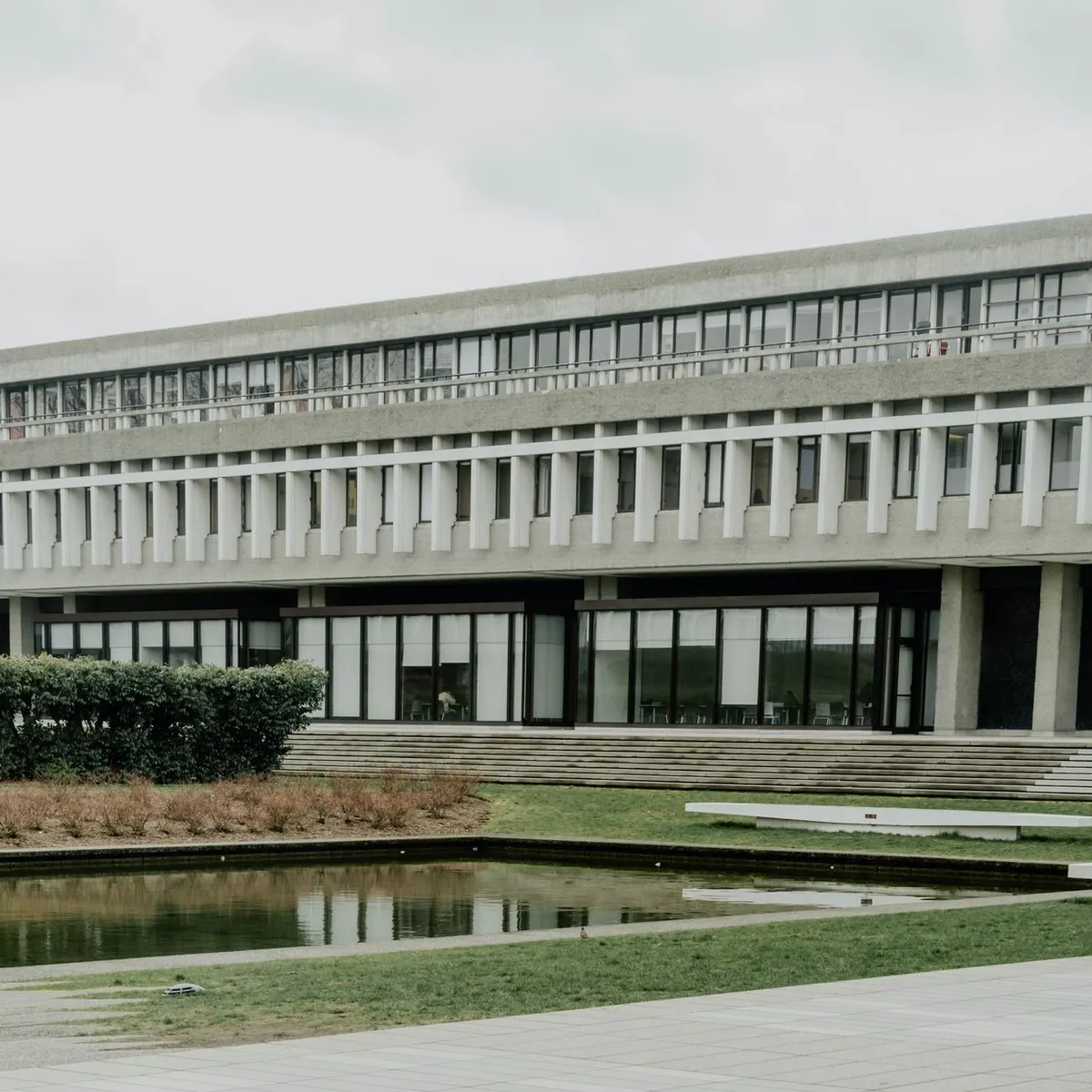
 Photo: Red Nguyen / Pexels
Burnaby
Burnaby accessibility for wheelchair users
Compare Burnaby by accessibility, transport, terrain, healthcare, cost, weather, laws, reviews, and community notes.
Burnaby accessibility scores
Compare Burnaby by accessibility, transport, terrain, healthcare, cost, weather, and laws. General stats use public data and models. Community rows reflect member reviews and votes.
General stats
National benchmarks and estimates — your experience in this city may differ.
Community
Starts from our estimate — thumbs up nudge toward Excellent, down toward Poor. Reviews use 1–5 stars.
These figures combine public statistics, models, and live weather where available. Every city is different — treat this as a guide, and share what you know in the Reviews & Corrections tab.
Profile last updated 6/30/2026.
Burnaby wheelchair accessibility guide
Research Burnaby for wheelchair users and caregivers: getting around, terrain, healthcare, costs, climate, accessible things to do, and practical caveats before booking.
Last updated 6/30/2026At a glance
Burnaby gives wheelchair users a strong services base in Metro Vancouver, with good infrastructure scores, high pavement confidence, and access to regional transit. It is also expensive, with living costs from ~$3,593/mo and housing from ~$1,737/mo. The main accessibility challenge is terrain: the database flags very hilly conditions and a high sampled max grade, so the right neighborhood matters more than the citywide score.
Getting around
Burnaby is tied into Metro Vancouver by SkyTrain, buses, and major roads, but not every origin-destination pair is simple. Choose housing near a station, elevator-equipped mall, or frequent bus corridor, and check TransLink service alerts before relying on a lift or escalator route. Accessible taxis and HandyDART-style paratransit may be useful for medical or late trips. Metrotown and Brentwood-style hubs are easier for errands than hillside residential pockets.
Terrain & mobility
The terrain profile is the big warning: very hilly, with only 60% flat samples and a sampled max grade over 23%. Pavement data is better, with high-confidence OSM sampling, mostly asphalt, paved, and concrete surfaces, and no poor-surface share in the sample. In practice, a power chair user may do well near SkyTrain and major malls, while a manual chair user should be cautious about Burnaby Mountain, long residential slopes, and winter rain.
Healthcare & care
The row lists OSM healthcare leads including BCIT First Aid, BCIT Student Health Services, Spine + Muscle, Northeast Urgent and Primary Care Centre, and Columbia Square Medical & Laser Center. These are not accessibility audits, so confirm entrance, exam-room, and washroom access directly. The database estimates medical costs from ~$155/mo, PT from ~$109/mo, and home aid from ~$762/mo. Metro Vancouver gives broader specialist choice, but waitlists and referral pathways need planning.
Costs & housing
Burnaby is a high-cost Canadian option. The row estimates food from ~$545/mo, local transport from ~$285/mo, and housing from ~$1,737/mo. Accessible apartments are more likely in newer towers around transit-oriented centres, but verify elevator redundancy, lobby thresholds, parking/drop-off, roll-in shower availability, and slope between station and door. A cheaper unit up a hill can be more disabling than a pricier flat route.
Climate & comfort
The climate is milder than much of Canada, but rain is frequent and can make ramps, curb cuts, and leaf-covered paths slippery. Snow is occasional but disruptive when it happens. Summer heat is usually manageable, though wildfire smoke can affect comfort. For longer stays, prioritize covered transit access, grocery delivery options, and a building with reliable elevators and backup plans during power or maintenance outages.
Accessible things to do
Burnaby Village Museum— The museum has a live official accessibility/visit page; check seasonal operations and which heritage areas are easiest before going.
Deer Lake Park— A major local park and arts-area anchor; use it for scenic outings, but verify path surfaces and grades for the specific route.
Burnaby Art Gallery / Deer Lake cultural area— A practical indoor culture option near the park; confirm current entrance and washroom access before visiting.
Metrotown / central shopping hubs— Not a heritage attraction, but useful for accessible errands, weather-protected rolling, food, and transit connections.
Community & language
Burnaby is diverse and service-rich, with English widely used and many multilingual communities. Care navigation follows British Columbia systems, so newcomers should understand provincial coverage, private insurance, and referral rules. Community life is spread across hubs rather than one old centre; that is good for choosing an accessible base, but it makes spontaneous cross-city trips more transport-dependent.
Would we recommend it?
Yes for users who can afford Metro Vancouver and choose the right micro-location. Burnaby's infrastructure, transit connections, and regional healthcare access are strong, but the hills are real. It is a good candidate for power-chair users and for people who can live close to SkyTrain and daily services. It is less ideal if you need low-cost housing or flat routes from any random address.
These figures combine public statistics, models, and live weather where available. Every city is different — treat this as a guide, and share what you know in the Reviews & Corrections tab.
Profile last updated 6/30/2026.
Reviews & corrections
Share your experience or suggest a data correction. Both appear publicly; admin updates official city scores and costs separately.
Log in to write a review or suggest a correction.
No reviews or corrections yet.