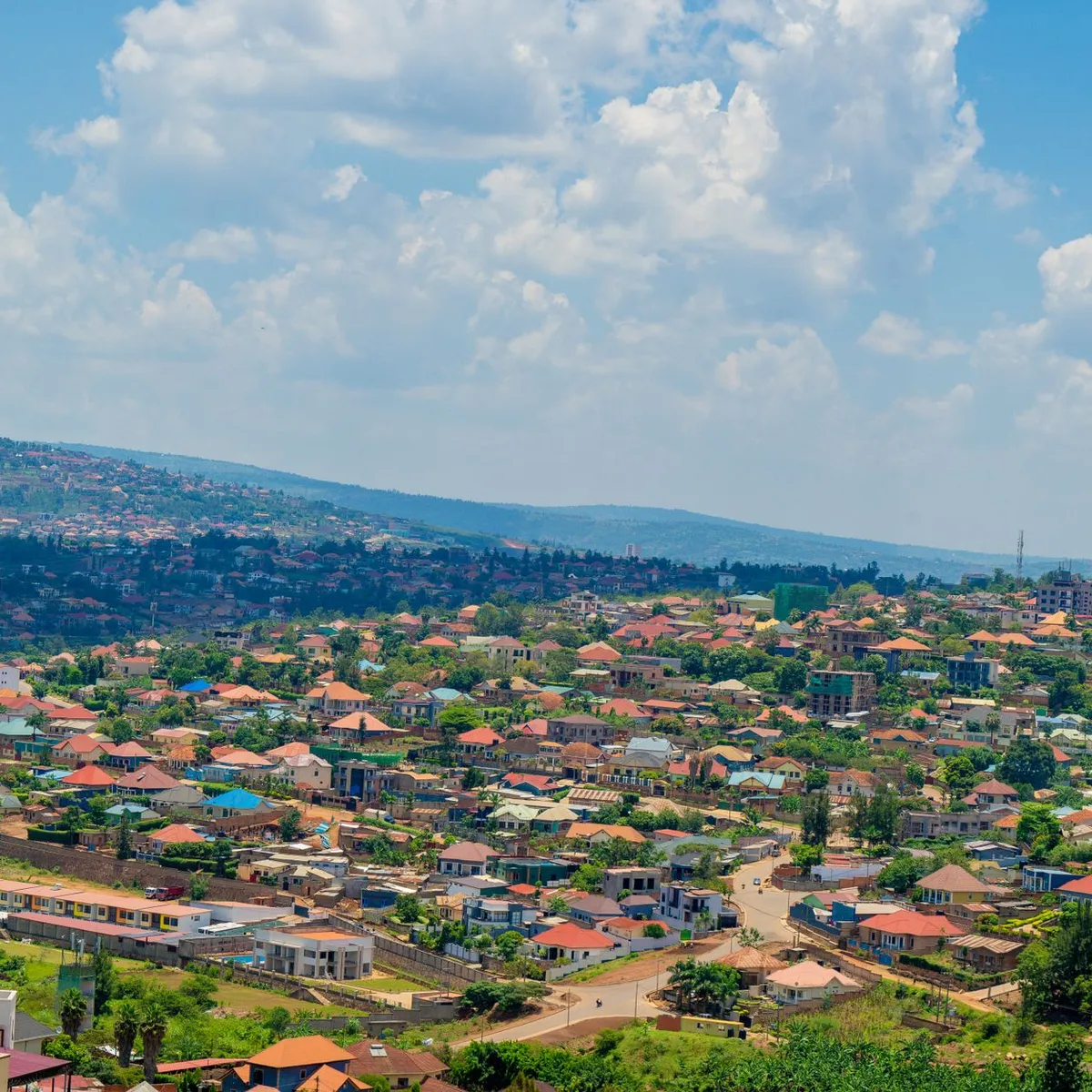
 Photo: Faustin NKURUNZIZA / Pexels
Butare
Butare accessibility for wheelchair users
Compare Butare by accessibility, transport, terrain, healthcare, cost, weather, laws, reviews, and community notes.
Butare accessibility scores
Compare Butare by accessibility, transport, terrain, healthcare, cost, weather, and laws. General stats use public data and models. Community rows reflect member reviews and votes.
General stats
National benchmarks and estimates — your experience in this city may differ.
Community
Starts from our estimate — thumbs up nudge toward Excellent, down toward Poor. Reviews use 1–5 stars.
These figures combine public statistics, models, and live weather where available. Every city is different — treat this as a guide, and share what you know in the Reviews & Corrections tab.
Profile last updated 7/2/2026.
Butare wheelchair accessibility guide
Research Butare for wheelchair users and caregivers: getting around, terrain, healthcare, costs, climate, accessible things to do, and practical caveats before booking.
Last updated 7/2/2026At a glance
Butare, also known as Huye, is one of Rwanda’s strongest cultural and academic cities, but the RollVenture profile makes it a challenging accessibility pick. The city has museums, university life, memorial sites, and regional hospitals, yet the terrain is very hilly and pavement data includes ground, unpaved, cobblestone, and untagged surfaces. Costs are more moderate than many African entries in this batch: from about ~$1,681/mo overall, with housing from ~$654/mo. The best use case is a planned short stay with private transport, not an assumption that the city is easy to roll independently.
Getting around
Wikivoyage describes connections from Kigali by minibus companies and says the Kigali-Butare drive is about 126 km and roughly 3 hours by car. For wheelchair users, private car or van arrangements are strongly preferable to standard minibuses. In town, motorcycle taxis are common but not wheelchair-suitable; ordinary taxis may work only if the chair folds and the traveler can transfer. Plan door-to-door rides for museums, hospitals, and hotels, and ask hotels to confirm whether vehicles can stop at a flat entrance.
Terrain & mobility
The live DB terrain profile marks Butare as very hilly, with average elevation around 1,714 m and sampled grades up to 8.5%. Pavement confidence is high, but the surface mix includes ground, unpaved stretches, cobblestone, and untagged ways, with a high poor-surface share. That means even short distances can involve broken shoulders, drainage edges, or rough approaches. A power chair or scooter should be checked for slope handling and ground clearance; a manual chair user should budget for assistance.
Healthcare & care
OpenStreetMap healthcare leads include Kabutare District Hospital and University Teaching Hospital of Butare (CHUB), plus nearby hospital departments and clinics. Wikivoyage also identifies CHUB as a key teaching hospital in Huye. These are useful leads, not access guarantees: confirm emergency intake, ramp/lift access, specialist availability, and payment requirements before relying on them. Personal care should be arranged through trusted local contacts rather than assumed on arrival.
Costs & housing
Housing is estimated from ~$654/mo, transport around ~$156/mo, and medical costs around ~$130/mo. Because hills and rough surfaces can isolate a cheap apartment, prioritize step-free entry, bathroom turning space, backup water/power, and proximity to a paved road over rent alone. Ask for photos or video of the entrance, shower, toilet, and street approach.
Climate & comfort
Butare’s highland climate is generally milder than lowland East Africa, but rain can quickly make unpaved approaches difficult. Plan errands earlier in the day, leave extra time after storms, and choose lodging with indoor common space so rest days are comfortable.
Accessible things to do
Ethnographic Museum— Wikivoyage lists Rwanda’s Ethnographic Museum in Butare; verify ramps, galleries, toilets, and vehicle drop-off before visiting.
University of Rwanda area— The university district is a key local landmark; treat it as a car-based orientation stop unless a specific paved route is confirmed.
Murambi Genocide Memorial Centre— Listed by Wikivoyage as a major memorial near the region; arrange respectful guided transport and confirm physical access in advance.
Nyanza King's Palace area— Wikivoyage notes nearby Nyanza; this is better as a planned vehicle excursion than an improvised public-transport trip.
Community & language
Kinyarwanda is the daily language; French and English may appear in education, tourism, and official settings. Huye’s university presence can make logistics easier than in smaller towns, but drivers, landlords, and clinics still need clear, practical access questions.
Would we recommend it?
Yes, cautiously, for travelers who want Rwandan culture and can afford private transport and pre-checked lodging. Butare has meaningful things to see, but the hills and rough approach surfaces make spontaneous independent mobility risky.
These figures combine public statistics, models, and live weather where available. Every city is different — treat this as a guide, and share what you know in the Reviews & Corrections tab.
Profile last updated 7/2/2026.
Reviews & corrections
Share your experience or suggest a data correction. Both appear publicly; admin updates official city scores and costs separately.
Log in to write a review or suggest a correction.
No reviews or corrections yet.