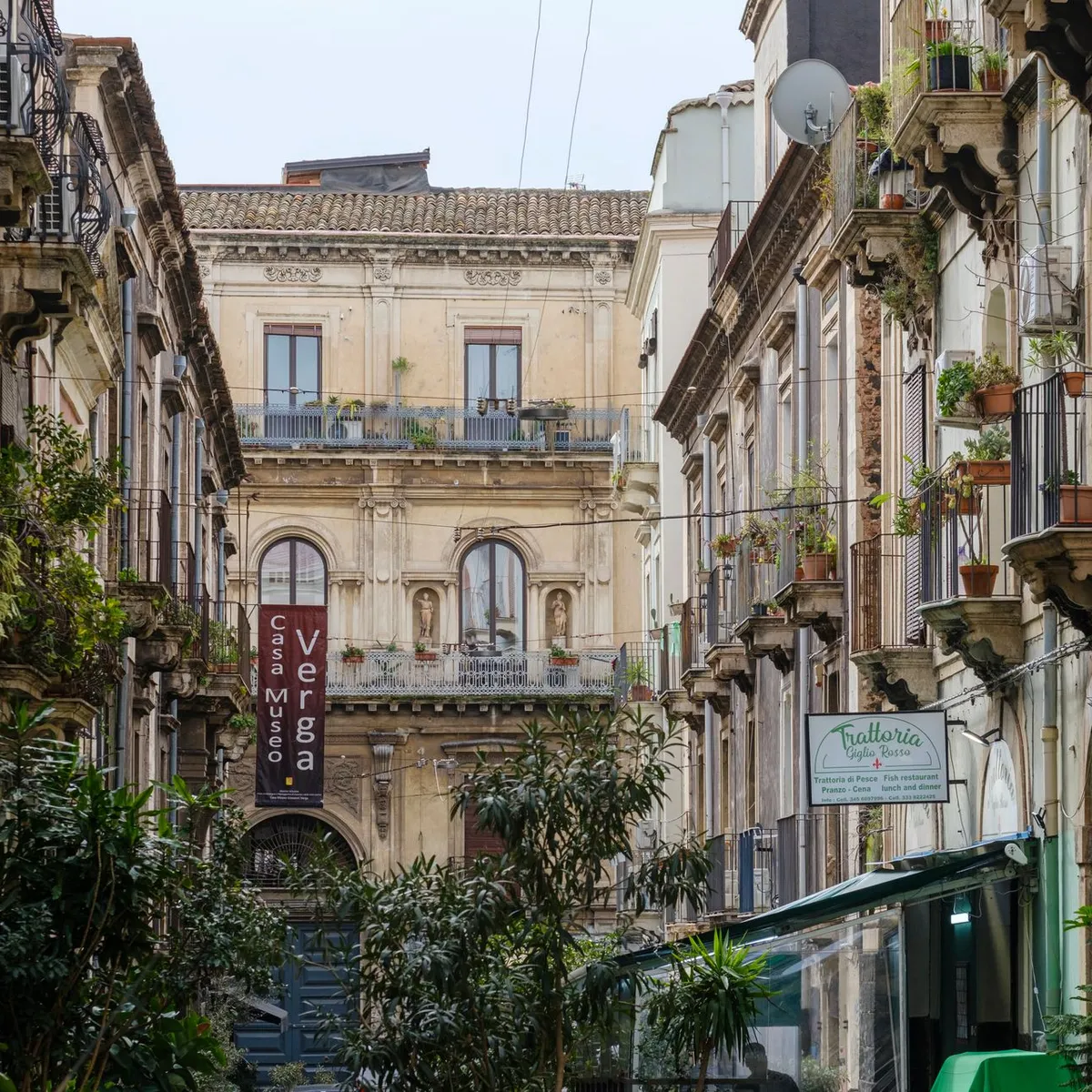
 Photo: pierre matile / Pexels
Cagliari
Cagliari accessibility for wheelchair users
Compare Cagliari by accessibility, transport, terrain, healthcare, cost, weather, laws, reviews, and community notes.
Cagliari accessibility scores
Compare Cagliari by accessibility, transport, terrain, healthcare, cost, weather, and laws. General stats use public data and models. Community rows reflect member reviews and votes.
General stats
National benchmarks and estimates — your experience in this city may differ.
Community
Starts from our estimate — thumbs up nudge toward Excellent, down toward Poor. Reviews use 1–5 stars.
These figures combine public statistics, models, and live weather where available. Every city is different — treat this as a guide, and share what you know in the Reviews & Corrections tab.
Profile last updated 6/30/2026.
Cagliari wheelchair accessibility guide
Research Cagliari for wheelchair users and caregivers: getting around, terrain, healthcare, costs, climate, accessible things to do, and practical caveats before booking.
Last updated 6/30/2026At a glance
Cagliari is a practical Sardinian base if you want sea air, hospitals close to the centre, and enough public-space investment to make daily life workable without pretending the old hill town is easy. RollVenture’s live profile puts monthly living cost from ~$2,930/mo, with housing from ~$1,304, transport from ~$252, medical from ~$140, and home-aid support from ~$655. The strongest signals are good sampled pavement coverage and a relatively high wheelchair-transport score; the main caution is that many of the loveliest historic streets climb toward Castello.
Getting around
Use the lower city as your default: Marina, Stampace edges, Via Roma, the port area, and the Poetto corridor are simpler than the upper medieval quarters. CTM is the city bus operator, and Cagliari Turismo is the official municipal visitor source for itineraries, maps, infopoints, and getting-around basics. For wheelchair users, verify low-floor vehicle availability, stop curb height, and ramp deployment on the exact routes you plan to use. Taxis or pre-booked accessible transfers are worth budgeting for evenings and hillier trips.
Terrain & mobility
The sampled terrain is labelled hilly, but the central sample also shows 100% flat samples with an elevation range around 168 m; in practice that means route choice matters more than citywide slope averages. The lower waterfront and beach approaches are much easier than Castello. OSM pavement data is unusually encouraging for this batch: high confidence, 67% good surfaces, and asphalt/paved/paving-stone dominance. Still expect stone paving, narrow sidewalks, curb interruptions, and steep ramps in the old town.
Healthcare & care
OpenStreetMap healthcare leads near the centre include Casa di cura Sant'Anna, Clinica Villa S.Elena, Pronto Soccorso/Ospedale Santissima Trinità, and related emergency entries within roughly 0.5-1.2 km of the city centre. Treat these as location leads, not guarantees of step-free entrances or English-speaking intake. Before relocating, confirm your specialist pathway, after-hours emergency access, private-care options, and whether home-aid providers can cover your neighborhood.
Costs & housing
Cagliari is not the cheapest Italian option in the database, but the cost profile is more predictable than many island or resort towns. For housing, prioritize elevator buildings in the lower city or newer districts with direct bus/taxi access. Ask for entrance-width photos, lift dimensions, bathroom turning space, and the slope between the front door and the nearest daily services.
Climate & comfort
The Mediterranean climate is a plus: mild winters, hot bright summers, and sea breezes near the coast. Summer heat and glare can be tiring for wheelchair users on exposed promenades, so plan errands early and keep shaded backup routes.
Accessible things to do
National Archaeological Museum of Cagliari— a strong culture anchor; verify current lift/accessible-route details before booking.
Poetto Beach promenade— best treated as a flat rolling route and sea-air outing; beach-chair or boardwalk availability should be checked seasonally.
Bastione di Saint Remy exterior— iconic views, but approach gradients and lifts/ramps need same-day checking.
Molentargius-Saline Regional Park— a nature lead for flamingos and flat paths; confirm surface conditions and accessible toilets.
Marina and Via Roma waterfront— practical for cafes, port views, and lower-city strolling with fewer slopes than Castello.
Community & language
Italian is essential for care logistics, though tourism staff often have some English. The city has a real local rhythm outside cruise days, which helps with repeat pharmacies, cafes, and neighborhood routines.
Would we recommend it?
Yes, with route discipline. Cagliari works best for someone who wants a scenic coastal city and can choose housing carefully in the flatter lower districts. It is less suitable if you need fully predictable curb cuts everywhere or want to live inside the steep historic core.
These figures combine public statistics, models, and live weather where available. Every city is different — treat this as a guide, and share what you know in the Reviews & Corrections tab.
Profile last updated 6/30/2026.