 Photo: Roman Biernacki / Pexels
Ancona
Ancona accessibility for wheelchair users
Compare Ancona by accessibility, transport, terrain, healthcare, cost, weather, laws, reviews, and community notes.
Ancona accessibility scores
Compare Ancona by accessibility, transport, terrain, healthcare, cost, weather, and laws. General stats use public data and models. Community rows reflect member reviews and votes.
General stats
National benchmarks and estimates — your experience in this city may differ.
Community
Starts from our estimate — thumbs up nudge toward Excellent, down toward Poor. Reviews use 1–5 stars.
These figures combine public statistics, models, and live weather where available. Every city is different — treat this as a guide, and share what you know in the Reviews & Corrections tab.
Profile last updated 6/30/2026.
Ancona wheelchair accessibility guide
Research Ancona for wheelchair users and caregivers: getting around, terrain, healthcare, costs, climate, accessible things to do, and practical caveats before booking.
Last updated 6/30/2026At a glance
Ancona is a compact Adriatic port city with good healthcare access and a real hill penalty. The RollVenture row lists monthly living cost from ~$3,031/mo and housing from ~$1,299/mo. Infrastructure and wheelchair-transport scores are relatively strong, and OSM pavement sampling is high-confidence, but the city rises quickly from the port toward viewpoints, churches, and older neighborhoods. It is best for travelers who can plan routes and use taxis for steep sections.
Getting around
Ancona has rail, ferry, bus, and road connections, but wheelchair users should verify each leg. The train station and port can be useful gateways; ferries and cruise areas require operator-specific assistance booking. City buses may be easier on main routes than old-center walking, but vehicle ramps, stop design, and driver assistance need confirmation. Keep taxi numbers ready for hill climbs.
Terrain & mobility
The DB terrain profile labels Ancona hilly, with a 3.8% sampled max grade and a 263 m elevation range. That understates how route choice feels: short sections between the waterfront, cathedral area, and viewpoints can be steep. Pavement sampling shows asphalt, setts, and paving stones; waterfront routes and newer civic spaces are more forgiving than older lanes.
Healthcare & care
OSM healthcare leads include Unità Operativa Assistenza Riabilitativa, INRCA - Presidio Ospedaliero di Ricerca Ulderico Sestilli, Poliambulatorio Giulia Bonarelli, Medical Point, and Villa Maria. INRCA is a notable regional geriatric and rehabilitation reference point, but appointment access, language support, and step-free routes should be confirmed directly. For longer stays, arrange pharmacy delivery and personal-care support before arrival.
Costs & housing
The DB row lists transport from ~$267/mo, medical from ~$148/mo, and home aid from ~$703/mo. Accessible rentals are likely to cost more than the city average because elevators, level showers, and parking are not universal in older buildings. Ask for exact photos or video of the building entrance, lift cabin, bathroom, and street slope outside the door.
Climate & comfort
The Adriatic climate is generally moderate, with hot summers and damp, windy winter days. Sea breezes help comfort in summer, but storms can make port-side routes slippery. Hill routes are harder in heat, so morning outings and taxi-assisted returns are sensible.
Accessible things to do
Mole Vanvitelliana / Lazzaretto— a major waterfront cultural complex on flatter ground; check event-specific entrances, ramps, and toilets before buying tickets.
Museo Archeologico Nazionale delle Marche— an important museum in a historic palazzo; verify lift coverage and accessible route details because heritage buildings can have partial access.
Piazza del Plebiscito— a central public square with cafés and civic life. It can work for short visits, but approach routes and paving stones need checking.
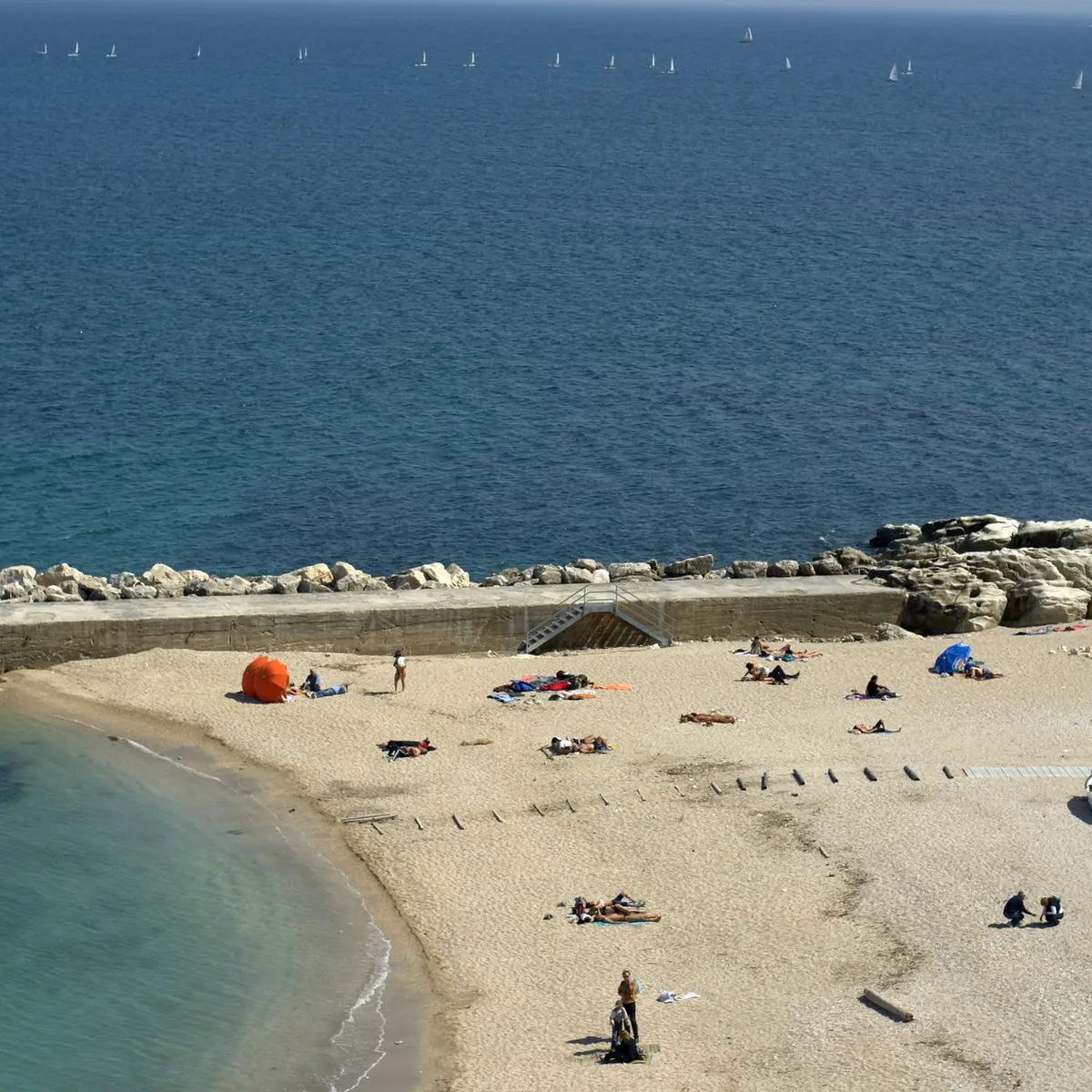
Port and Passetto seafront viewpoints— scenic, but not equally accessible. The waterfront is easier; Passetto and cliff viewpoints require careful route/taxi planning and current lift or path checks.
Community & language
Italian is important for healthcare and housing. Museums and port operators may answer English email, but short practical Italian phrases for ramps, lifts, and accessible toilets are helpful. Local life is service-rich but less disability-tourism branded than Rome or Milan.
Would we recommend it?
Yes, selectively. Ancona has useful infrastructure and healthcare, but hills and heritage surfaces make it a planning city. It is better for power-chair users or manual-chair users with assistance than for fully independent no-transfer travel.
These figures combine public statistics, models, and live weather where available. Every city is different — treat this as a guide, and share what you know in the Reviews & Corrections tab.
Profile last updated 6/30/2026.