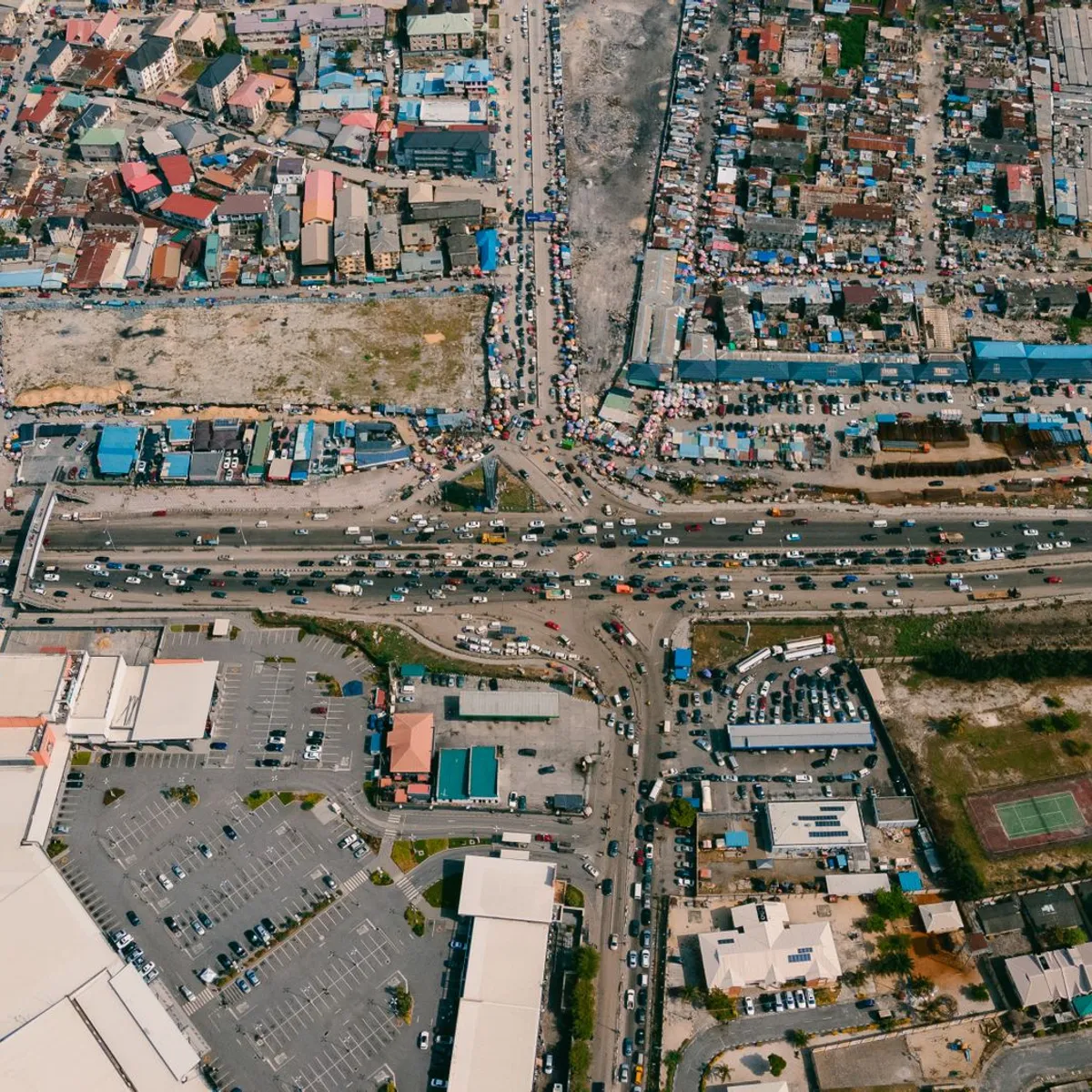
 Photo: Ben Iwara / Pexels
Calabar
Calabar accessibility for wheelchair users
Compare Calabar by accessibility, transport, terrain, healthcare, cost, weather, laws, reviews, and community notes.
Calabar accessibility scores
Compare Calabar by accessibility, transport, terrain, healthcare, cost, weather, and laws. General stats use public data and models. Community rows reflect member reviews and votes.
General stats
National benchmarks and estimates — your experience in this city may differ.
Community
Starts from our estimate — thumbs up nudge toward Excellent, down toward Poor. Reviews use 1–5 stars.
These figures combine public statistics, models, and live weather where available. Every city is different — treat this as a guide, and share what you know in the Reviews & Corrections tab.
Profile last updated 7/2/2026.
Calabar wheelchair accessibility guide
Research Calabar for wheelchair users and caregivers: getting around, terrain, healthcare, costs, climate, accessible things to do, and practical caveats before booking.
Last updated 7/2/2026At a glance
Calabar is Cross River State’s capital, known for colonial history, river setting, museums, Tinapa, carnival culture, and access to wider Cross River attractions. In this live empty-row group it is one of the safer choices to draft because sources confirm multiple sights and the DB terrain is mostly flat. Accessibility is still weak: ramp, infrastructure, and wheelchair-transport scores are low. Treat Calabar as a private-driver city with selected, phone-verified stops. The row estimates costs from ~$1,839/mo, with housing around ~$716/mo.
Getting around
Wikivoyage confirms air access via Margaret Ekpo International Airport, road links, and boat/bus context. None is documented as wheelchair-accessible. Arrange airport pickup, keep a known driver for city trips, and do not assume buses, boats, or taxis can board a wheelchair safely. Calabar’s tourist sites are spread across town, so clustering stops and having the driver wait is more realistic than trying to improvise after each visit.
Terrain & mobility
The DB terrain profile is mostly flat with low sampled grades, which helps. The pavement sample is medium-confidence and includes untagged, paved, unpaved, and asphalt surfaces, with a useful share marked good but many unknowns. Expect puddles, broken sidewalks, drains, steps at compounds, and tight markets. The flat terrain makes short assisted routes plausible, but bathrooms and entrances remain case-by-case.
Healthcare & care
OpenStreetMap healthcare leads in the row include General Hospital Calabar, Mambo Clinic, University of Calabar Teaching Hospital, and Nigerian Navy Reference Hospital Calabar. These entries do not verify access. Call ahead for emergency access, lifts, imaging, wheelchair toilets, and payment process. If you need specialized supplies, bring extras from Lagos, Abuja, or Port Harcourt rather than relying on quick local replacement.
Costs & housing
The database estimate is from ~$1,839/mo. Housing around ~$716/mo may be possible, but accessible rooms need direct proof: entrance video, elevator or ground-floor confirmation, bathroom doorway, shower threshold, bed height, generator, and road condition outside the gate. Budget for a driver and helper because lower rent can be offset by transport and transfer needs.
Climate & comfort
Calabar is humid with a very long wet season. DB monthly data shows heavy rain from March through November, peaking around June to October, with a short drier season around December-February. Rain can make road shoulders, outdoor sites, and market aisles difficult. Plan indoor or covered options, carry rain protection for cushions, and avoid long outdoor transfers during storms.
Accessible things to do
Slave History Museum / Marina Resort area— A key Calabar heritage anchor; phone ahead for entrance, galleries, and toilet access before committing.
Duke Town / old Calabar heritage drive— A flexible, low-transfer way to see colonial-era context and river views if a driver can pause at manageable curbs.
Tinapa Business and Tourist Resort— A more formal built environment than many city markets; verify current operations, ramps, lifts, and toilets before visiting.
University of Calabar campus drive— A practical low-effort outing with wide internal roads in parts; treat stops as case-by-case for steps and bathrooms.
Community & language
English is widely useful in Calabar, with Efik and other local languages also present. Hotel staff can help call museums and clinics. Be specific that wheelchair access means step-free entry and usable toilets, not staff carrying someone up steps.
Would we recommend it?
Cautiously, yes, for supported travelers who want southern Nigerian history and river-city culture. Calabar’s flatness and identifiable sights help, but access still depends on private transport and advance verification.
These figures combine public statistics, models, and live weather where available. Every city is different — treat this as a guide, and share what you know in the Reviews & Corrections tab.
Profile last updated 7/2/2026.
Reviews & corrections
Share your experience or suggest a data correction. Both appear publicly; admin updates official city scores and costs separately.
Log in to write a review or suggest a correction.
No reviews or corrections yet.