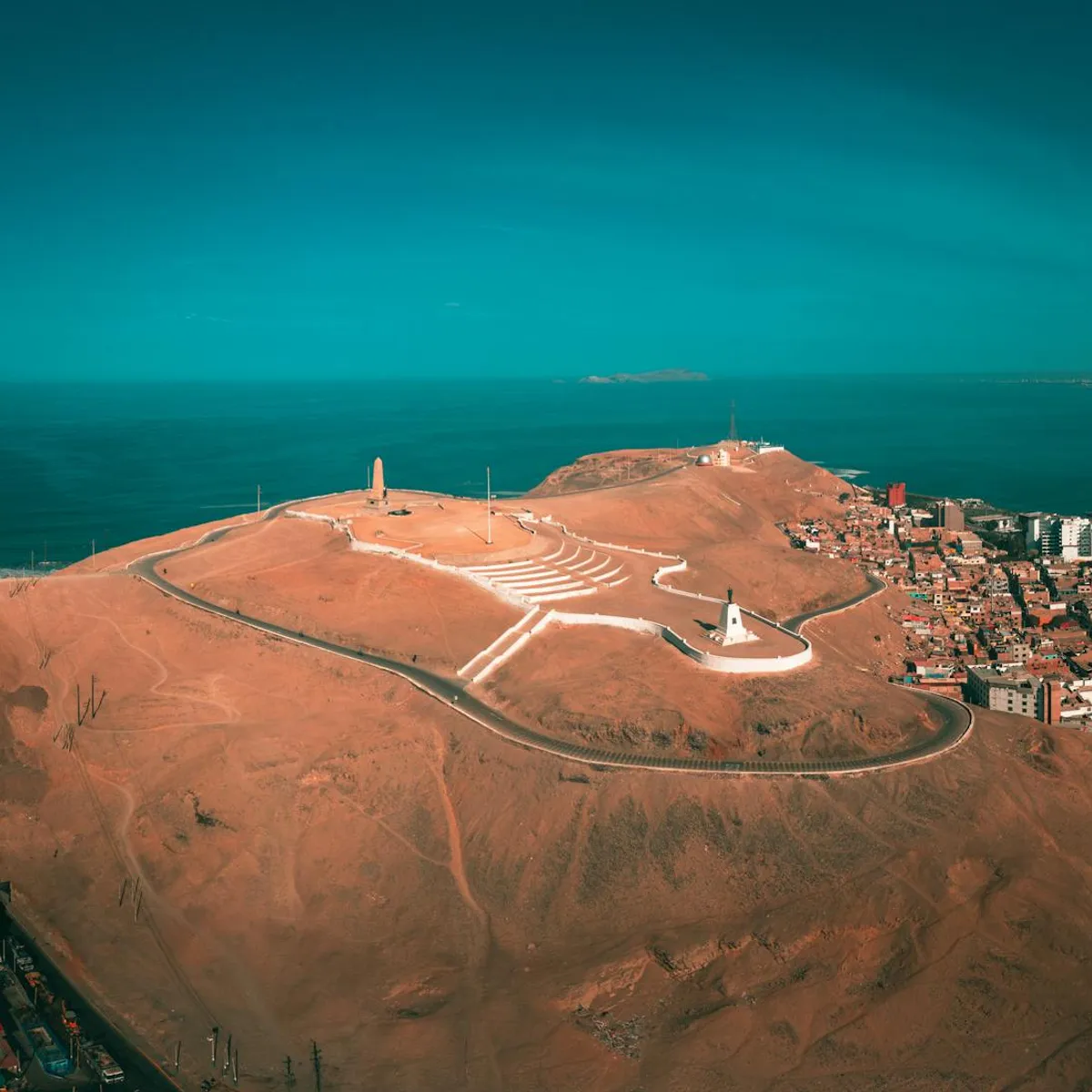
 Photo: Lyon Peru / Pexels
Callao
Callao accessibility for wheelchair users
Compare Callao by accessibility, transport, terrain, healthcare, cost, weather, laws, reviews, and community notes.
Callao accessibility scores
Compare Callao by accessibility, transport, terrain, healthcare, cost, weather, and laws. General stats use public data and models. Community rows reflect member reviews and votes.
General stats
National benchmarks and estimates — your experience in this city may differ.
Community
Starts from our estimate — thumbs up nudge toward Excellent, down toward Poor. Reviews use 1–5 stars.
These figures combine public statistics, models, and live weather where available. Every city is different — treat this as a guide, and share what you know in the Reviews & Corrections tab.
Profile last updated 6/30/2026.
Callao wheelchair accessibility guide
Research Callao for wheelchair users and caregivers: getting around, terrain, healthcare, costs, climate, accessible things to do, and practical caveats before booking.
Last updated 6/30/2026At a glance
Callao is Peru’s main port city beside Lima, so it works best for wheelchair users who want coastal history and short, planned outings rather than a low-friction independent stay. RollVenture’s live row shows a mid-range accessibility score, hilly terrain signals, and relatively strong pavement tagging near the core. Use Callao as a base only if you can prebook step-free lodging, private transfers, and a driver who understands that Lima-Callao traffic can turn short distances into long days.
Getting around
Public transport accessibility is inconsistent. For most visitors using wheelchairs, the safer plan is app taxi or private van service between the airport, La Punta, Monumental Callao, and Lima districts. Ask for curbside pickup points because port-area sidewalks and kerbs vary block by block. If you use the Metropolitano or Lima Metro network from nearby Lima, confirm elevator status and station distance before committing.
Terrain & mobility
The city is not mountainous, but the DB terrain profile flags hilly samples and a wide elevation range around the metro area. The better mobility corridors are the flatter waterfront and newer asphalt or concrete streets. Older port streets can have broken paving, parked cars, and narrow kerbs, so a manual chair user may need a companion for crossings.
Healthcare & care
OpenStreetMap lists CAP III Metropolitano, Hospital de la Solidaridad, Centro Médico PUCP, Clínica San Judas Tadeo, and other care leads in or near Callao/Lima. Treat these as starting points, not guarantees of step-free access. For complex care, many travelers will prefer arranging appointments in Lima’s larger private-clinic network and keeping Callao outings short.
Costs & housing
The live RollVenture row estimates living costs from ~$2,337/mo, housing around ~$1,196/mo, transport around ~$175/mo, medical around ~$129/mo, and home aid around ~$412/mo. Accessible housing should be verified with photos of the entrance, elevator, bathroom turning space, shower threshold, and whether the building has reliable backup power.
Climate & comfort
Callao has a mild coastal desert climate with humid gray winters and little rain. Heat is usually less punishing than inland Peru, but damp air and sea breeze can affect comfort. Plan outdoor routes earlier in the day and protect mobility equipment from salt air.
Accessible things to do
La Punta waterfront— the seafront promenade is one of the more plausible low-step outings; verify current paving and curb cuts before rolling far.
Real Felipe Fortress— a major historic site in Callao; contact the operator before visiting because colonial fort surfaces and ramps may be uneven.
Monumental Callao— street-art galleries and renovated blocks can be enjoyable with a companion, but entrances vary and some streets are rough.
Callao port and bay viewpoints— choose restaurant, pier, or waterfront viewpoints with level access instead of boat trips unless the operator confirms boarding support.
Community & language
Spanish is essential for transport, clinics, and housing checks. English is limited outside tourism-facing businesses. A local fixer or Spanish-speaking caregiver will make daily logistics much smoother.
Would we recommend it?
Only with planning. Callao has interesting coastal culture and proximity to Lima, but it is not an easy wheelchair city. It suits travelers who can use private transport, verify every venue, and treat accessibility claims as leads rather than promises.
These figures combine public statistics, models, and live weather where available. Every city is different — treat this as a guide, and share what you know in the Reviews & Corrections tab.
Profile last updated 6/30/2026.