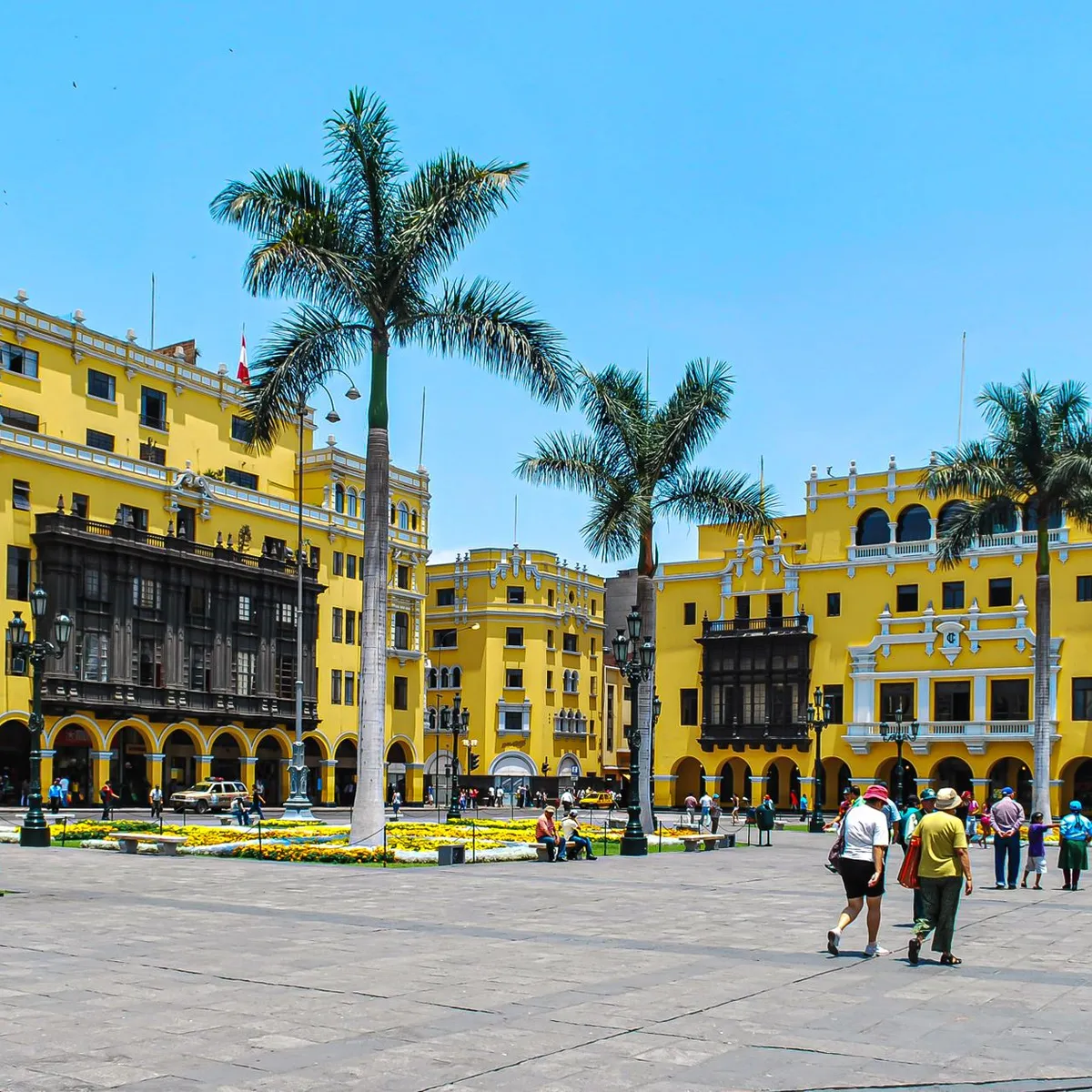
 Photo: Cristian Salinas Cisternas / Pexels
Lima
Lima accessibility for wheelchair users
Compare Lima by accessibility, transport, terrain, healthcare, cost, weather, laws, reviews, and community notes.
Lima accessibility scores
Compare Lima by accessibility, transport, terrain, healthcare, cost, weather, and laws. General stats use public data and models. Community rows reflect member reviews and votes.
General stats
National benchmarks and estimates — your experience in this city may differ.
Community
Starts from our estimate — thumbs up nudge toward Excellent, down toward Poor. Reviews use 1–5 stars.
These figures combine public statistics, models, and live weather where available. Every city is different — treat this as a guide, and share what you know in the Reviews & Corrections tab.
Profile last updated 7/1/2026.
Lima wheelchair accessibility guide
Research Lima for wheelchair users and caregivers: getting around, terrain, healthcare, costs, climate, accessible things to do, and practical caveats before booking.
Last updated 7/1/2026At a glance
Lima is a large coastal capital with better private services than many Peruvian cities, but wheelchair users should plan it as a neighborhood-by-neighborhood stay rather than a simple citywide base. The RollVenture row shows an overall score of 57, accessibility score of 50, and living costs from ~$3,423/mo, with housing from ~$2,173/mo. The strongest practical base is usually Miraflores, San Isidro, or parts of Barranco, where newer hotels, clinics, paved promenades, and ride-hailing coverage are easier to coordinate. Historic central Lima has major cultural value, but curb cuts, crowding, uneven colonial paving, and traffic make it more demanding.
Getting around
Do not rely on spontaneous public transport access. Lima has buses, the Metropolitano corridor, taxis, and ride-hailing, but step-free reliability varies by station, vehicle, and staff. A wheelchair user should budget for private transfers for airport runs, medical appointments, and evening returns. Traffic is a real access issue: short distances can take a long time, so choose lodging close to daily needs and group outings by district.
Terrain & mobility
The DB terrain profile marks Lima as very hilly overall, with a 12.9% sampled max grade and only 40% flat samples. That does not mean every tourist district is steep: oceanfront Miraflores has usable promenades and modern streets, while ravines, overpasses, older sidewalks, and central districts can create abrupt barriers. Pavement data is a plus, with high-confidence OSM sampling showing 86% good surfaces and dominant asphalt/concrete, but curb ramps and driveway slopes still need on-the-ground checking.
Healthcare & care
Lima is Peru's main healthcare hub. The row lists OSM clinic leads including Policlínico Pronto Salud Solidario, Centro Nacional de Salud Renal, EsSalud Policlínico San Luis, and Clínica San Felipe within the metro area; treat these as orientation points, not access guarantees. For a longer stay, pre-arrange an English- or Spanish-speaking doctor, confirm step-free clinic entrances, and keep extra time for traffic. Home-aid cost is estimated from ~$459/mo.
Costs & housing
Costs are high for the region because accessible, well-located apartments cluster in premium districts. Use the DB estimate as from ~$3,423/mo total and from ~$2,173/mo housing. Ask for elevator dimensions, building ramp photos, shower threshold photos, backup power/water details, and whether the street entrance has a step. Miraflores and San Isidro are usually safer bets than bargain rentals farther out.
Climate & comfort
Lima is mild and dry, with a long gray coastal season and little rain. Heat is less of a problem than air quality, traffic exposure, and damp winter chill. The climate can work well for people who avoid extremes, but plan rest days because distances, traffic, and access friction add fatigue.
Accessible things to do
Malecón de Miraflores— The clifftop parks and paved oceanfront promenades are among Lima's more practical outdoor routes; verify the exact ramped access point before setting out.
Museo Larco— The museum is a strong, well-known cultural anchor in Pueblo Libre; confirm current wheelchair route, restroom access, and vehicle drop-off directly before visiting.
Circuito Mágico del Agua / Parque de la Reserva— A paved park setting can be manageable with assistance, but night crowds, wet surfaces, and restroom access should be checked in advance.
Barranco arts district— Good for cafés, galleries, and short routes, but older sidewalks and slopes toward the ravine make it better with a companion or pre-scouted path.
Community & language
Spanish is essential for daily problem-solving. English is more common in hotels, clinics, and tourist services than in taxis or smaller shops. Expat and digital-nomad communities exist, but disabled-specific local support should be arranged before arrival.
Would we recommend it?
Yes, with planning. Lima is best for wheelchair users who can pay for a modern apartment, private transfers, and district-focused routines. It is not an easy low-budget access city, but it can be workable for healthcare access, mild weather, and rich cultural options.
These figures combine public statistics, models, and live weather where available. Every city is different — treat this as a guide, and share what you know in the Reviews & Corrections tab.
Profile last updated 7/1/2026.