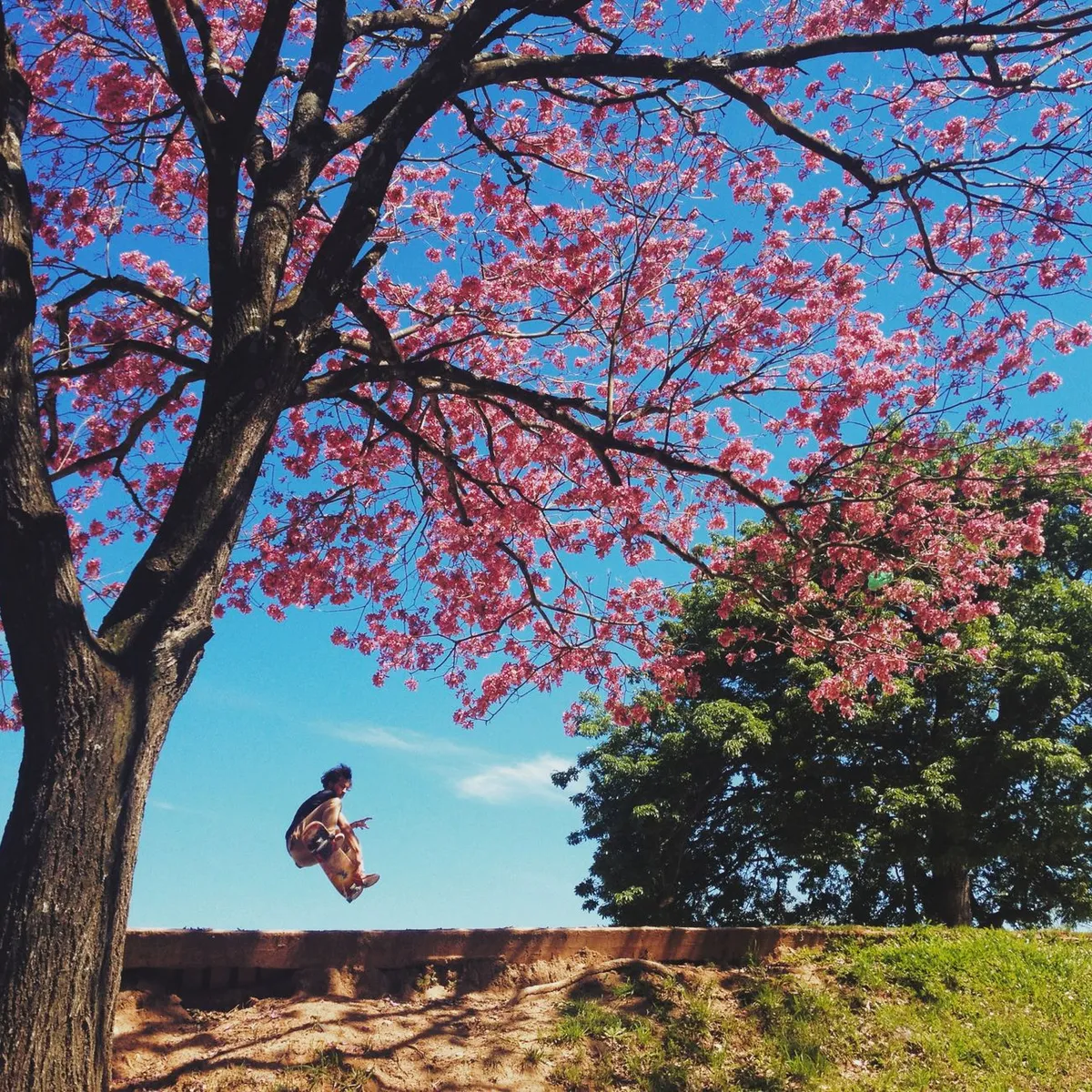
 Photo: Mauricio Thomsen / Pexels
Campos dos Goytacazes
Campos dos Goytacazes accessibility for wheelchair users
Compare Campos dos Goytacazes by accessibility, transport, terrain, healthcare, cost, weather, laws, reviews, and community notes.
Campos dos Goytacazes accessibility scores
Compare Campos dos Goytacazes by accessibility, transport, terrain, healthcare, cost, weather, and laws. General stats use public data and models. Community rows reflect member reviews and votes.
General stats
National benchmarks and estimates — your experience in this city may differ.
Community
Starts from our estimate — thumbs up nudge toward Excellent, down toward Poor. Reviews use 1–5 stars.
These figures combine public statistics, models, and live weather where available. Every city is different — treat this as a guide, and share what you know in the Reviews & Corrections tab.
Profile last updated 7/2/2026.
Campos dos Goytacazes wheelchair accessibility guide
Research Campos dos Goytacazes for wheelchair users and caregivers: getting around, terrain, healthcare, costs, climate, accessible things to do, and practical caveats before booking.
Last updated 7/2/2026At a glance
Campos dos Goytacazes is a large inland municipality in northern Rio de Janeiro state, historically tied to sugar, oil, the Paraíba do Sul River, and regional education. It is not a polished accessibility destination, but it can function as a practical lower-cost city if you need hospitals, shopping, and a quieter pace away from Rio. The DB profile is mixed: costs are moderate, healthcare leads are close to the center, but terrain and pavement scores suggest uneven mobility outside the core.
Getting around
BR-101 is the main road connection, and the city has an airport, Bartolomeu Lysandro, plus regional bus links. For wheelchair users, assume that intercity buses and local buses require advance confirmation rather than guaranteed level boarding. Within town, short taxi/app-car hops will usually be easier than relying on sidewalks for every errand, especially in heat or after rain.
Terrain & mobility
Campos sits in a broad, low-lying region, but the stored terrain sample flags hilly variation and the pavement profile shows many untagged or only partly documented surfaces. Central streets around civic, hospital, and shopping areas may be manageable; lagoon, rural, or heritage outings can involve rougher approaches. Flooding and heavy rain should be considered when choosing housing and routes.
Healthcare & care
The local OSM profile lists several central hospitals and clinics, including Hospital da Beneficência Portuguesa de Campos, Hospital Escola Álvaro Alvim, Hospital Ferreira Machado, and Santa Casa de Misericórdia de Campos. These names are useful starting points only: verify emergency services, specialties, ramp/elevator access, transfer help, and whether private caregivers or physiotherapy providers can visit your neighborhood.
Costs & housing
RollVenture estimates costs from ~$1,886/mo, including housing around ~$665/mo. That is attractive for Brazil, but accessible apartments are not automatic. Prioritize newer buildings near hospitals, supermarkets, and shopping centers; request photos of the building entrance, elevator, bathroom door width, shower, and street-to-lobby path.
Climate & comfort
The climate is tropical and can be hot, with intense sun and heavy rain. Heat management, air conditioning, covered drop-offs, and backup plans for wet sidewalks are important. If you use a power chair, confirm reliable charging and avoid long exposed routes at midday.
Accessible things to do
Jardim São Benedito / Praça Nilo Peçanha— a central public garden area that can work as a low-effort outdoor stop if nearby curbs and paving are acceptable on the day.
Solar do Colégio / public archive area— a historic anchor from the old city; treat access as uncertain because heritage buildings may have thresholds or limited ramps.
Casa de Cultura Villa Maria and Sesc cultural house— cultural venues are better candidates than rural nature spots, but check current programming and step-free entrances.
Shopping Partage / Boulevard Campos— a practical accessible outing for food, toilets, elevators, and bad-weather errands if current mall access is confirmed.
Lagoa de Cima or lagoon routes— worthwhile only with private transport and realistic expectations; natural approaches may not be paved or accessible.
Community & language
Portuguese is the working language. Campos is a regional city rather than an international tourism hub, so arrange written confirmations for care, transport, and housing.
Would we recommend it?
Maybe, for budget-conscious travelers or residents who need a regional Brazilian base and can arrange private transport. We would not recommend it as a first-choice wheelchair tourism city without a local helper, because public accessibility details are sparse and surfaces vary.
These figures combine public statistics, models, and live weather where available. Every city is different — treat this as a guide, and share what you know in the Reviews & Corrections tab.
Profile last updated 7/2/2026.