 Photo: Manoel Junior / Pexels
Mogi das Cruzes
Mogi das Cruzes accessibility for wheelchair users
Compare Mogi das Cruzes by accessibility, transport, terrain, healthcare, cost, weather, laws, reviews, and community notes.
Mogi das Cruzes accessibility scores
Compare Mogi das Cruzes by accessibility, transport, terrain, healthcare, cost, weather, and laws. General stats use public data and models. Community rows reflect member reviews and votes.
General stats
National benchmarks and estimates — your experience in this city may differ.
Community
Starts from our estimate — thumbs up nudge toward Excellent, down toward Poor. Reviews use 1–5 stars.
These figures combine public statistics, models, and live weather where available. Every city is different — treat this as a guide, and share what you know in the Reviews & Corrections tab.
Profile last updated 7/1/2026.
Mogi das Cruzes wheelchair accessibility guide
Research Mogi das Cruzes for wheelchair users and caregivers: getting around, terrain, healthcare, costs, climate, accessible things to do, and practical caveats before booking.
Last updated 7/1/2026At a glance
Mogi das Cruzes is a practical São Paulo-region city rather than a polished accessibility destination. It scores reasonably for cost and local infrastructure, with estimated living costs from ~$1,918/mo, but the mobility experience depends heavily on neighborhood choice. The best use case is someone who wants a quieter base east of São Paulo, access to CPTM rail toward the capital, and local parks or malls with more predictable surfaces than the historic street grid. It is not a city where wheelchair access can be assumed without photos and calls.
Getting around
Mogi sits on the CPTM Line 11 corridor, which can connect to São Paulo, but travelers should verify elevator status, platform access, and staff assistance for the exact station and day of travel. Within the city, buses and sidewalks are mixed; ride-hailing or pre-arranged taxis are often easier for wheelchair users. If you plan hospital, mall, or park visits, cluster errands by area to avoid repeated transfers across hilly or uneven streets.
Terrain & mobility
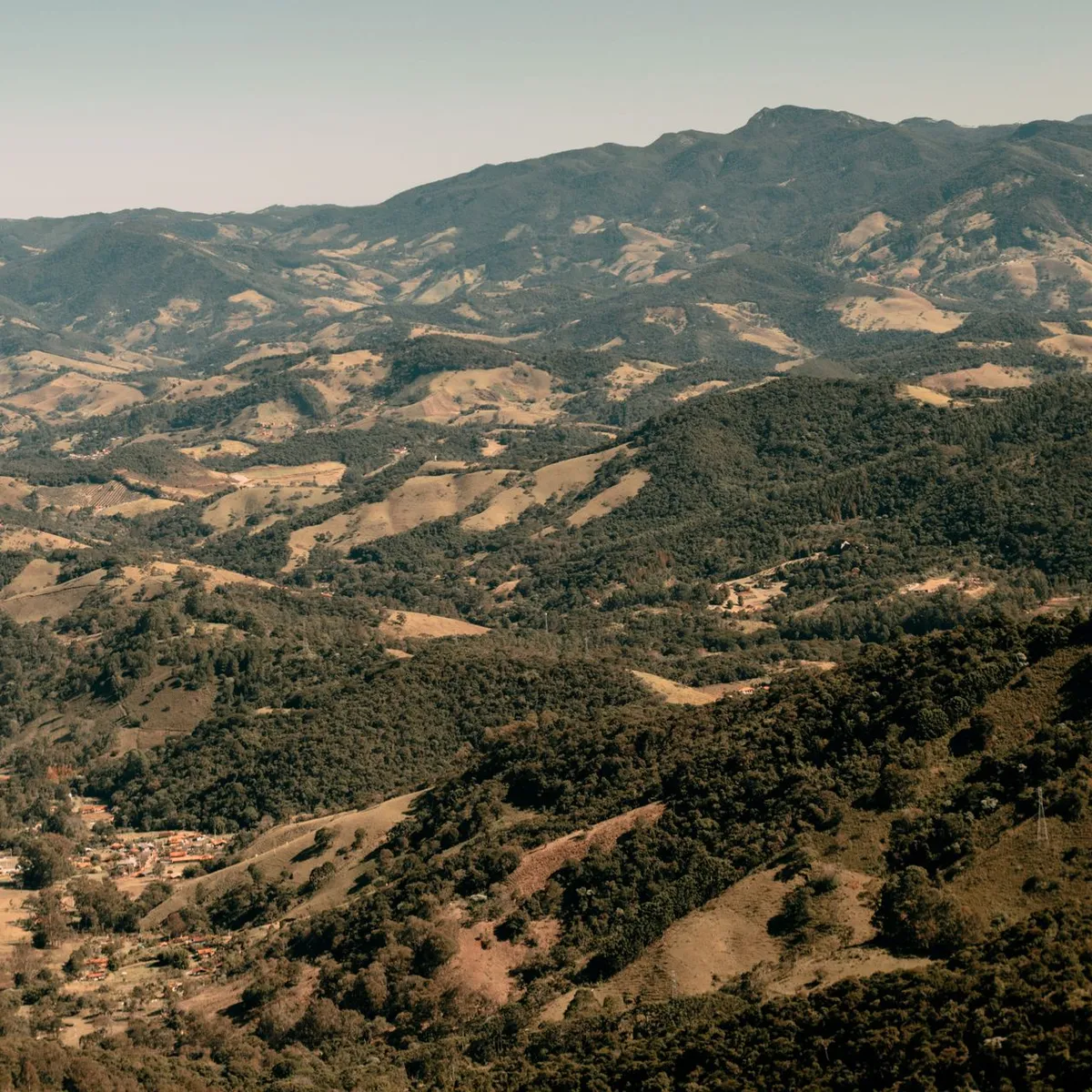
The DB terrain profile calls Mogi “Hilly,” with a moderate elevation range and a high-confidence pavement profile showing a useful share of asphalt and paved ways. In practice, the central area can still include cambers, patched sidewalks, poles, and steep driveway cuts. Manual chair users should be selective around older blocks and should not assume that a short route on the map is the easiest route on the ground.
Healthcare & care
OpenStreetMap leads show several clinics near the center, including Mãe Mogiana, Clínica Anhembi, CTCor Diagnóstica, and eye-care providers. Treat those as starting points, not access guarantees. For higher-complexity care, São Paulo’s larger hospital network is reachable but adds transport time and station/vehicle uncertainty. Portuguese support is important for booking therapy, home help, and clinic access details.
Costs & housing
The database estimate is from ~$1,918/mo, with housing around $668 and transport around $192. That can be attractive compared with central São Paulo, but accessible units may be concentrated in newer apartment blocks or hotels. Ask for elevator dimensions, shower photos, step-free building entrance, garage-to-lobby route, and whether the surrounding sidewalks have curb ramps.
Climate & comfort
Mogi has a subtropical climate with humid summers and cooler winter evenings. Rain can expose drainage and sidewalk problems, especially around older streets and park paths. If respiratory comfort matters, check local air quality during dry spells and avoid long road transfers at peak commuting times.
Accessible things to do
Parque Centenário da Imigração Japonesa— A major city park with broad outdoor areas; verify current path condition, accessible toilets, and parking/drop-off before going.
Parque Leon Feffer— Another local green-space option where paved routes may be easier than street wandering, but surfaces and restroom access should be confirmed.
Casarão do Chá— A heritage tea-house site associated with Japanese immigration history; because it is a historic property, call ahead about ramps, thresholds, and event-day access.
Mogi Shopping— A modern mall is often the most reliable low-friction outing for toilets, food, weather protection, and step-free circulation.
Community & language
Portuguese is the working language. The city has Japanese-Brazilian heritage and a more local feel than São Paulo’s tourist core. Accessibility conversations are easier if you send short written questions and request photos over WhatsApp.
Would we recommend it?
Yes for longer stays with a verified apartment and planned transport into São Paulo. For a short independent wheelchair trip, it is only a maybe: choose it for cost and local calm, not for guaranteed public-realm accessibility.
These figures combine public statistics, models, and live weather where available. Every city is different — treat this as a guide, and share what you know in the Reviews & Corrections tab.
Profile last updated 7/1/2026.