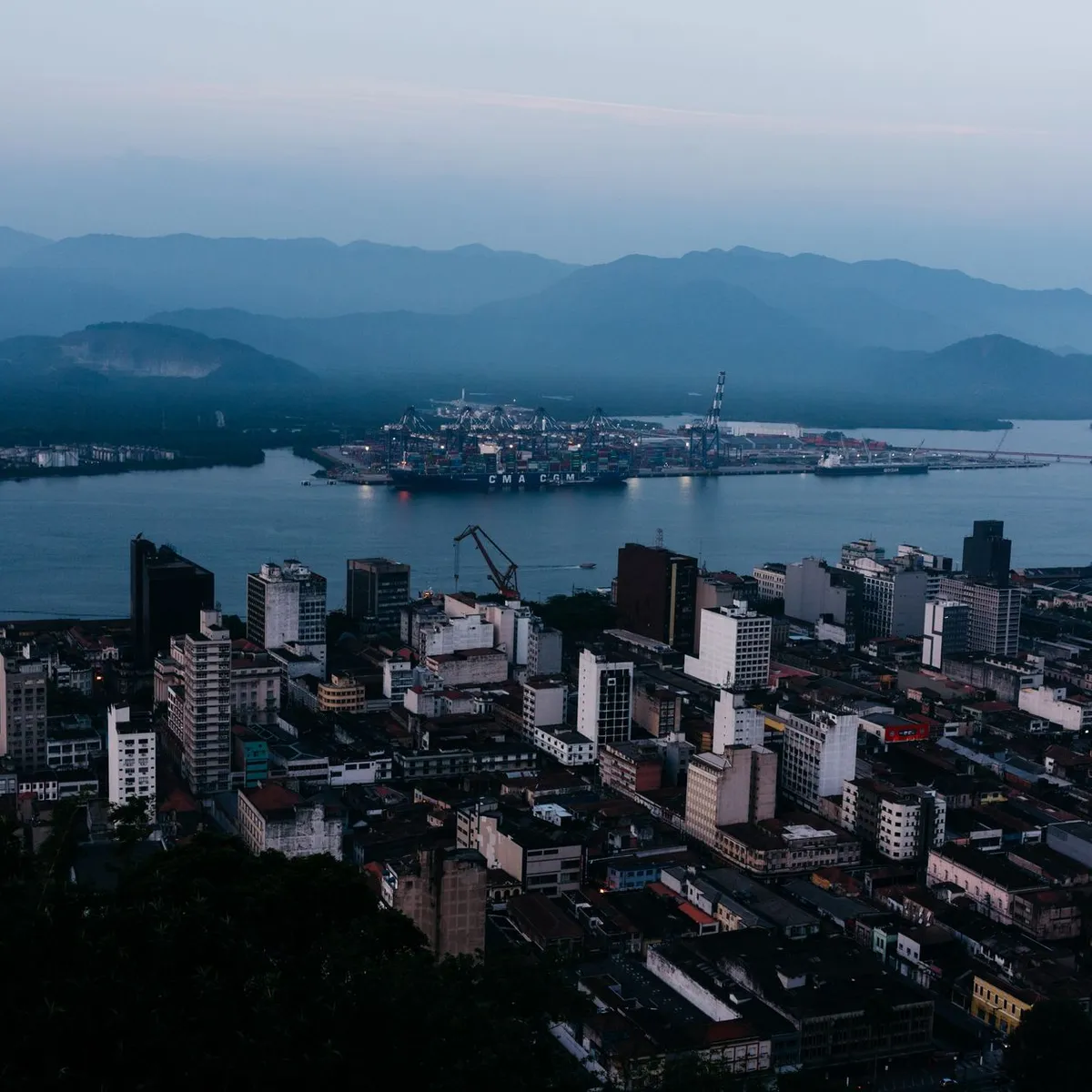
 Photo: Mariana Silvestre / Pexels
Santo André
Santo André accessibility for wheelchair users
Compare Santo André by accessibility, transport, terrain, healthcare, cost, weather, laws, reviews, and community notes.
Santo André accessibility scores
Compare Santo André by accessibility, transport, terrain, healthcare, cost, weather, and laws. General stats use public data and models. Community rows reflect member reviews and votes.
General stats
National benchmarks and estimates — your experience in this city may differ.
Community
Starts from our estimate — thumbs up nudge toward Excellent, down toward Poor. Reviews use 1–5 stars.
These figures combine public statistics, models, and live weather where available. Every city is different — treat this as a guide, and share what you know in the Reviews & Corrections tab.
Profile last updated 6/30/2026.
Santo André wheelchair accessibility guide
Research Santo André for wheelchair users and caregivers: getting around, terrain, healthcare, costs, climate, accessible things to do, and practical caveats before booking.
Last updated 6/30/2026At a glance
Santo André is part of the ABC region of Greater São Paulo, with urban services, parks, shopping, and access to the historic railway village of Paranapiacaba. For wheelchair users it has a mixed profile: DB terrain sampling is gently rolling and the OSM pavement profile is high-confidence with many good tagged surfaces, but safety is modest, ramp availability is only mid-range, and some famous outings involve old streets or steep approaches. Plan around verified indoor stops and car-supported trips.
Getting around
Use private car, app rides, or pre-checked rail links rather than assuming seamless street access. Greater São Paulo has more infrastructure than many Brazilian cities, but elevator outages, steep station approaches, and broken sidewalks can still derail plans. Keep transfers flexible and ask venues exactly where an accessible vehicle should drop off. If visiting Paranapiacaba, treat the trip as a special excursion requiring local confirmation, not a casual roll.
Terrain & mobility
The row's OpenTopoData profile says gently rolling, with a low sampled maximum grade around 1.3% and 96 m elevation range near the city sample. The OSM pavement profile is encouraging: high confidence, about 67% tagged good, with asphalt and paved surfaces common. However, neighborhood slopes, driveway cuts, old paving, and rain channels can still be obstacles. A power chair or scooter will make longer routes easier; manual users should conserve energy for ramps and uneven crossings.
Healthcare & care
OpenStreetMap healthcare leads in and around the area include USF Recreio da Borda do Campo, Hospital Amparo Maternal, Hospital São Paulo, and other São Paulo-region facilities. These are not verified accessibility claims. Confirm entrance ramps, elevators, emergency intake, and appointment language support. Santo André's metro-region location is helpful for specialists, but traffic means you should build generous travel buffers for medical appointments.
Costs & housing
The DB estimate is from ~$1,917/mo, with housing from ~$709/mo. Accessible stays are most plausible in newer apartments or hotels with elevators and garage-level access. Ask for room and bathroom measurements, shower threshold photos, bed height, elevator dimensions, and whether the street entrance has a step. A cheaper unit far from reliable pickup points may cost more in effort than it saves.
Climate & comfort
The climate is generally milder than northern Brazil, but wet days can make curb cuts slippery and traffic worse. Carry a rain cover for controls or cushions, and keep an indoor plan for stormy afternoons. Air quality and traffic noise may matter near major roads.
Accessible things to do
Sabina Escola Parque do Conhecimento— A science and education attraction in Santo André; verify ramps, lifts, accessible toilets, and current opening rules before visiting.
Grand Plaza Shopping— A practical indoor anchor with elevators, food, toilets, and predictable surfaces; check accessible parking or rideshare drop-off.
Parque Central— A local park option for shorter paved loops if entrances and restroom access are confirmed.
Paranapiacaba— A historic railway village and major regional attraction; beautiful but likely challenging because of old streets, slopes, and weather, so use a guide or vehicle support.
São Paulo day trips— Museums, parks, and Paulista-area venues can broaden the itinerary, but verify station elevator status or use direct rides.
Community & language
Portuguese is essential for housing, taxis, and medical logistics. Greater São Paulo has more disability services than smaller cities, but you still need specific confirmations. Written checklists in Portuguese help avoid vague “sem problema” answers.
Would we recommend it?
Yes, cautiously, for travelers who want a service-rich Greater São Paulo base with lower costs than central São Paulo. It is not barrier-free, but with verified housing, car-supported routing, and realistic expectations it can work better than many similarly sized cities.
These figures combine public statistics, models, and live weather where available. Every city is different — treat this as a guide, and share what you know in the Reviews & Corrections tab.
Profile last updated 6/30/2026.