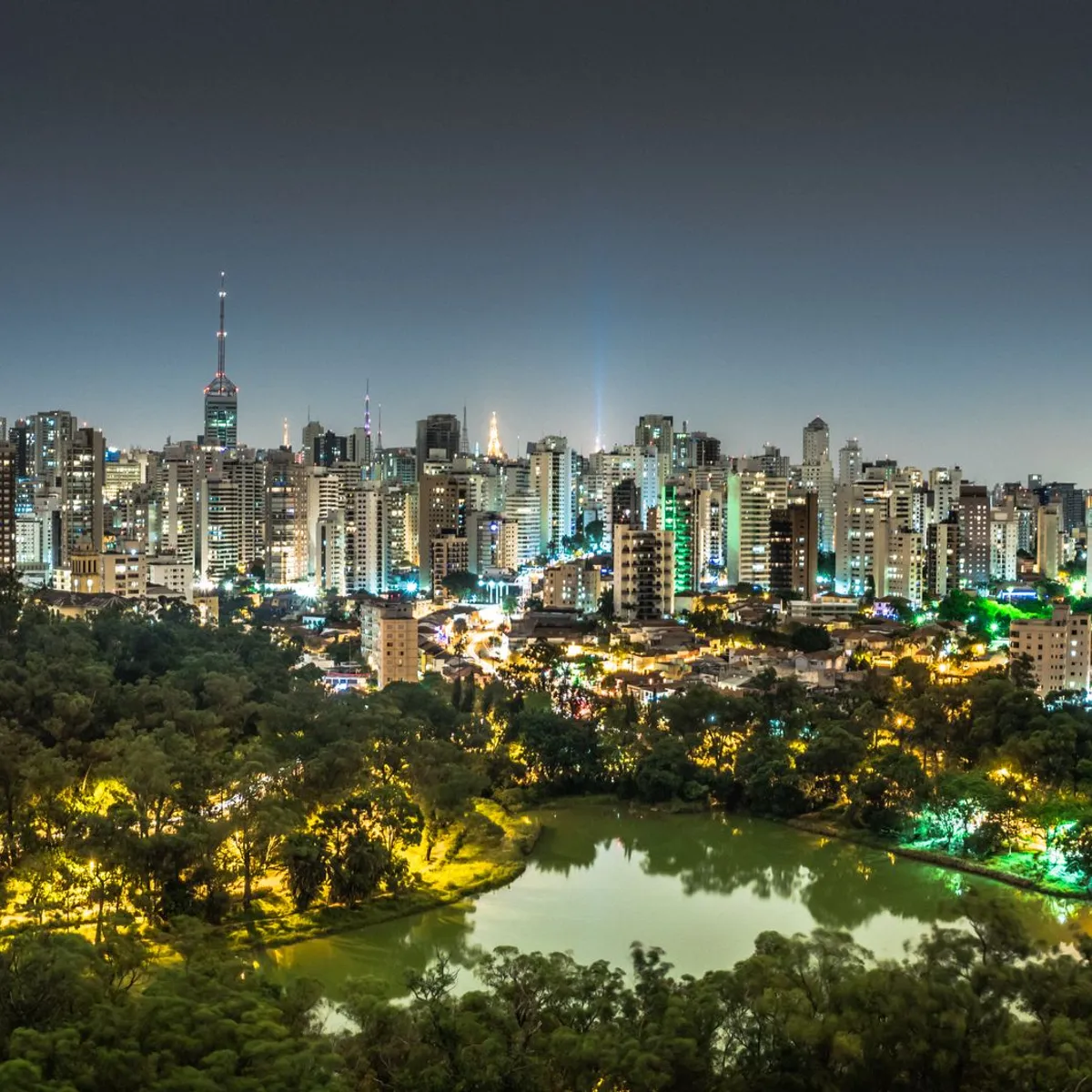
 Photo: Kaique Rocha / Pexels
São Paulo
São Paulo accessibility for wheelchair users
Compare São Paulo by accessibility, transport, terrain, healthcare, cost, weather, laws, reviews, and community notes.
São Paulo accessibility scores
Compare São Paulo by accessibility, transport, terrain, healthcare, cost, weather, and laws. General stats use public data and models. Community rows reflect member reviews and votes.
General stats
National benchmarks and estimates — your experience in this city may differ.
Community
Starts from our estimate — thumbs up nudge toward Excellent, down toward Poor. Reviews use 1–5 stars.
These figures combine public statistics, models, and live weather where available. Every city is different — treat this as a guide, and share what you know in the Reviews & Corrections tab.
Profile last updated 7/1/2026.
São Paulo wheelchair accessibility guide
Research São Paulo for wheelchair users and caregivers: getting around, terrain, healthcare, costs, climate, accessible things to do, and practical caveats before booking.
Last updated 7/1/2026At a glance
São Paulo is a vast, service-heavy city with better medical options than many regional peers and a mixed but workable accessibility picture. The RollVenture row shows from ~$2,146/mo living cost, gently rolling sampled terrain, high-confidence pavement data, and curated healthcare leads including Hospital das Clínicas and Hospital Sírio-Libanês. The main challenge is not a lack of services; it is scale, traffic, uneven sidewalks, and knowing which metro, museum, hotel, and clinic entrances are actually step-free.
Getting around
The São Paulo Metro and CPTM rail network cover major corridors, and the official metro site exposes accessibility controls and service information, but a wheelchair user should still check station elevators, transfer routes, and operating notices before each trip. Traffic can make taxis slow, yet door-to-door rides are often the safest option when weather is bad, a station lift is out, or the destination is not close to rail.
Terrain & mobility
The DB terrain profile is gently rolling, with 100% flat samples and a 1.6% maximum sampled grade. Pavement is high-confidence, with 82% good sampled surfaces, but São Paulo sidewalks can still shift quickly block by block. Expect driveway cuts, tree roots, slopes around viaducts, and wet paving after summer storms.
Healthcare & care
Healthcare is a relative strength. The stored curated profile names Hospital das Clínicas da FMUSP, a major university hospital complex, and Hospital Sírio-Libanês, a leading private hospital in Bela Vista. For visitors, private care and international-assistance arrangements are easier to navigate than public emergency pathways; confirm language support, insurance acceptance, and accessible entrances ahead of time.
Costs & housing
Use the DB estimate as from ~$2,146/mo, with housing from ~$784/mo. Accessible rentals should be checked carefully: many apartment buildings have a step at the lobby, narrow service lifts, or bathrooms with no transfer clearance. A base near Paulista, Jardins, Vila Mariana, or a reliably accessible metro station can reduce transfer risk.
Climate & comfort
São Paulo has mild temperatures compared with many Brazilian cities, but heavy rain can flood intersections and make curb ramps unusable. Air pollution and long travel times are comfort factors for people with fatigue, respiratory issues, or pain.
Accessible things to do
Avenida Paulista and MASP area— A central, transit-served cultural corridor; verify museum lift/ticketing details and expect crowds on weekends.
Ibirapuera Park— Large park paths and cultural venues make it a strong outdoor option; distances are long, so plan accessible drop-off points.
Pinacoteca de São Paulo— Major museum near Luz; confirm current lift routes and accessible entrance before visiting.
São Paulo Metro cultural corridors— Stations and rail-linked neighborhoods can work as low-transfer outings when lift status is checked in advance.
Community & language
Portuguese is the default. International hotels, private hospitals, and large museums are more likely to manage English, but daily errands and building staff usually require Portuguese or a local helper.
Would we recommend it?
Yes, cautiously. São Paulo is not uniformly easy, but its healthcare depth, cultural density, and rail corridors make it one of the more viable big-city options in Brazil if housing and transport are verified before arrival.
These figures combine public statistics, models, and live weather where available. Every city is different — treat this as a guide, and share what you know in the Reviews & Corrections tab.
Profile last updated 7/1/2026.