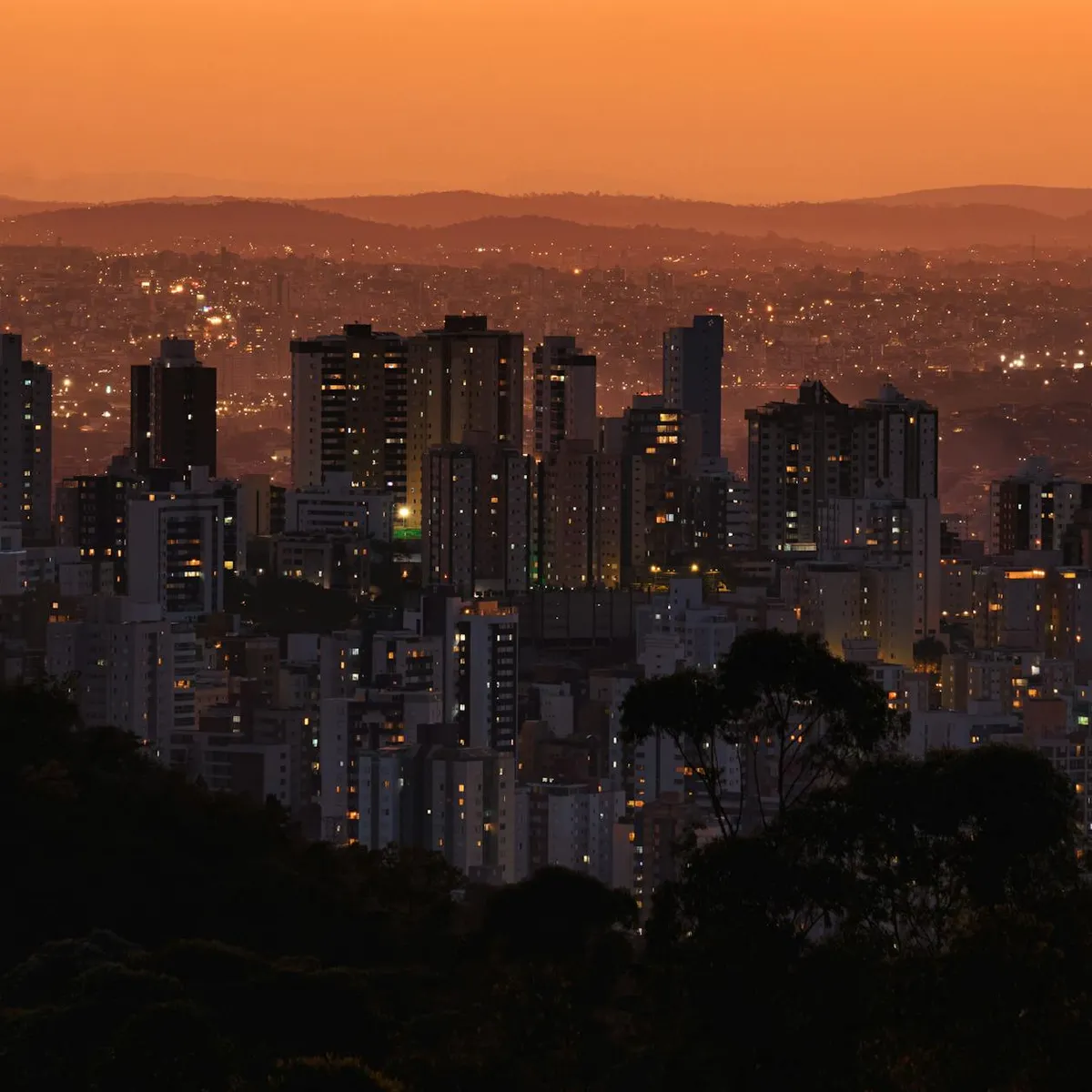
 Photo: Magno Ciqueira / Pexels
Guarulhos
Guarulhos accessibility for wheelchair users
Compare Guarulhos by accessibility, transport, terrain, healthcare, cost, weather, laws, reviews, and community notes.
Guarulhos accessibility scores
Compare Guarulhos by accessibility, transport, terrain, healthcare, cost, weather, and laws. General stats use public data and models. Community rows reflect member reviews and votes.
General stats
National benchmarks and estimates — your experience in this city may differ.
Community
Starts from our estimate — thumbs up nudge toward Excellent, down toward Poor. Reviews use 1–5 stars.
These figures combine public statistics, models, and live weather where available. Every city is different — treat this as a guide, and share what you know in the Reviews & Corrections tab.
Profile last updated 6/30/2026.
Guarulhos wheelchair accessibility guide
Research Guarulhos for wheelchair users and caregivers: getting around, terrain, healthcare, costs, climate, accessible things to do, and practical caveats before booking.
Last updated 6/30/2026At a glance
Guarulhos is a live-selected empty RollVenture city in Brazil. The guide is written for wheelchair users who want practical risk signals rather than generic tourism copy. The current DB estimate is from ~$2061/mo, with housing around ~$808/mo. The best fit is an airport, work or lower-cost São Paulo-area base with verified housing and transport. Accessibility should be treated as route-by-route: a venue name here is a planning lead, not a promise that every entrance, restroom or transfer is accessible today.
Getting around
Use GRU Airport assistance, app cars, taxis, airport shuttles, buses and rail links toward São Paulo, with each station approach checked separately. Build plans around confirmed door-to-door routes, not just map distance. Ask providers for the vehicle type, luggage/chair space, whether a folding or power chair is expected, and how companions will board. If public transport is part of the plan, check elevators, platform gaps, curb cuts, operating hours and the final block to the destination. Keep a backup ride contact for medical appointments, late arrivals and bad weather.
Terrain & mobility
The mobility picture is hilly São Paulo metro terrain; short routes can still involve tiring grades and fast crossings. The pavement profile is high-confidence OSM sample with mostly asphalt or paved ways but some cobblestone and untagged edges. That means the safest daily pattern is to choose lodging close to the main purpose of the stay, test one or two repeatable routes, and avoid long spontaneous rolls across unfamiliar intersections. Request recent photos or video of thresholds, sidewalk approaches, ramps, bathroom turning space and any gravel, cobbles, steep driveway or heavy door between street and bed.
Healthcare & care
Healthcare planning starts with these local leads: local clinic leads plus the broader São Paulo hospital network are nearby, but entrances and specialties must be confirmed. These are useful anchors, not verified accessibility guarantees. Call before arrival to confirm ramp or lift access, accessible toilets, imaging access, transfer help, insurance/payment rules, language support and whether a companion can assist. Bring prescriptions, repair supplies, cushion/skin-care basics and written notes describing wheelchair dimensions and transfer needs.
Costs & housing
Use from ~$2061/mo as a planning baseline, not a promise. Accessible housing can cost more than the city average because newer buildings, elevators, parking and roll-in showers narrow the inventory. Ask for a video route from street or parking to elevator, unit, bed and bathroom. Confirm lift dimensions, backup power if elevators are essential, shower threshold, toilet grab-bar options, door widths and whether building staff can help during outages.
Climate & comfort
Climate and comfort risks are: warm, humid and storm-prone, with puddled curb ramps and traffic delays during rain. Plan daily timing around the hardest condition, whether that is heat, storms, snow, ice, wind or air quality. Battery charging, shade or winter gloves, medication storage and spare parts matter more than sightseeing pace. If the city has seasonal extremes, ask locals how your exact street, entrance and nearest clinic route behave in that season.
Accessible things to do
Bosque Maia— A practical outing candidate; verify current step-free entrance, toilet access, parking/drop-off and the exact route before committing.
Lago dos Patos— A practical outing candidate; verify current step-free entrance, toilet access, parking/drop-off and the exact route before committing.
Adamastor Cultural Center— A practical outing candidate; verify current step-free entrance, toilet access, parking/drop-off and the exact route before committing.
Guarulhos International Airport public areas— A practical outing candidate; verify current step-free entrance, toilet access, parking/drop-off and the exact route before committing.
Community & language
Local language support will make or break practical accessibility. Save written access questions, hotel addresses, medication names and chair dimensions in the local language. Larger hotels, hospitals and tourism operators may have some English, but housing, taxis, small clinics and municipal offices usually need local-language calls. A local contact is especially useful for checking current construction, elevator outages and winter or storm conditions.
Would we recommend it?
Yes, cautiously, for the use case described above and with verified housing, transport and healthcare details. We would not recommend treating Guarulhos as a fully spontaneous wheelchair destination. The city can work when the traveler narrows the daily geography, confirms the critical routes and keeps backup transport and care options ready.
These figures combine public statistics, models, and live weather where available. Every city is different — treat this as a guide, and share what you know in the Reviews & Corrections tab.
Profile last updated 6/30/2026.