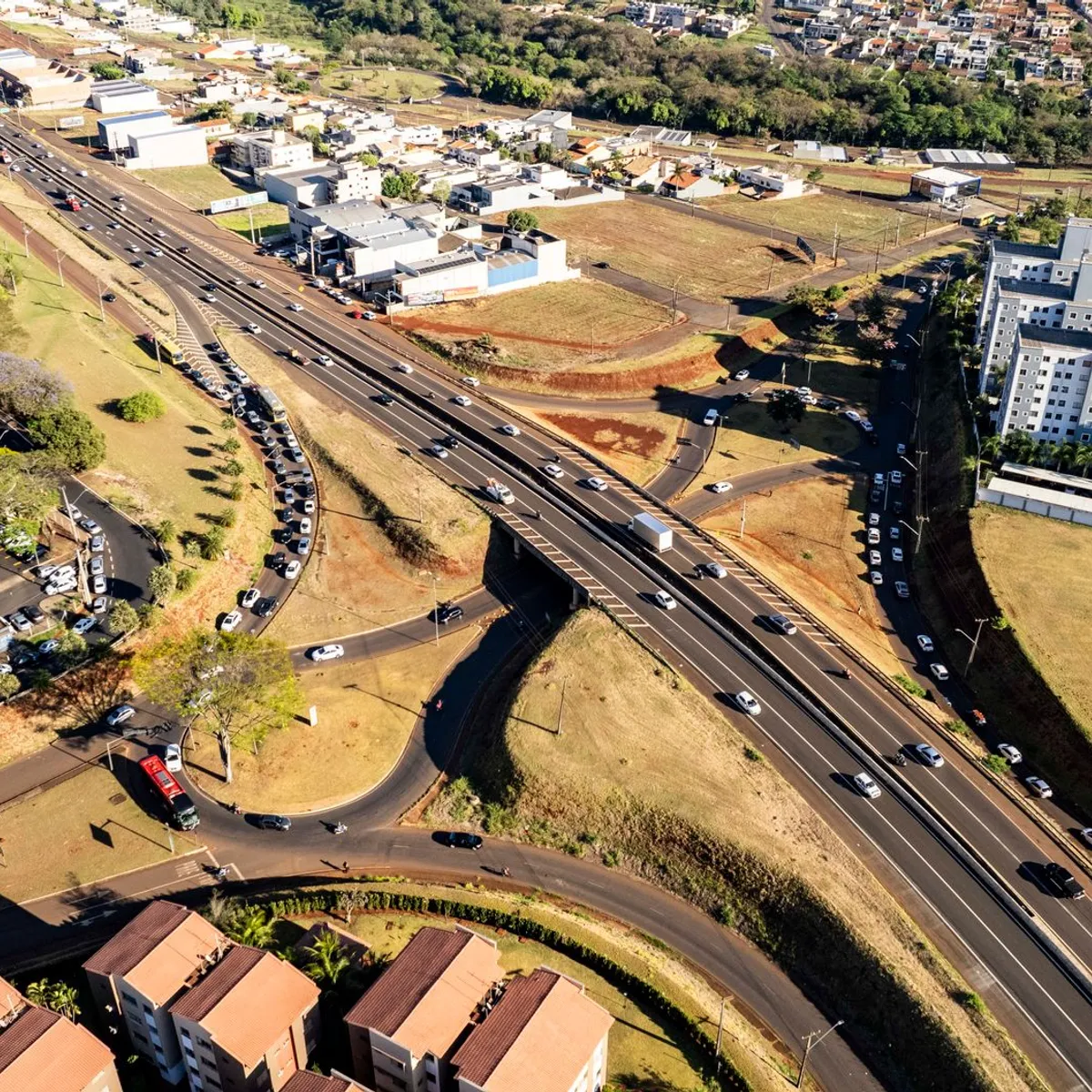
 Photo: Rodolfo Gaion / Pexels
Suzano
Suzano accessibility for wheelchair users
Compare Suzano by accessibility, transport, terrain, healthcare, cost, weather, laws, reviews, and community notes.
Suzano accessibility scores
Compare Suzano by accessibility, transport, terrain, healthcare, cost, weather, and laws. General stats use public data and models. Community rows reflect member reviews and votes.
General stats
National benchmarks and estimates — your experience in this city may differ.
Community
Starts from our estimate — thumbs up nudge toward Excellent, down toward Poor. Reviews use 1–5 stars.
These figures combine public statistics, models, and live weather where available. Every city is different — treat this as a guide, and share what you know in the Reviews & Corrections tab.
Profile last updated 7/1/2026.
Suzano wheelchair accessibility guide
Research Suzano for wheelchair users and caregivers: getting around, terrain, healthcare, costs, climate, accessible things to do, and practical caveats before booking.
Last updated 7/1/2026At a glance
Suzano is an affordable Greater São Paulo city with some useful local infrastructure, but it should be approached as a practical residential base rather than a guaranteed accessible destination. The database estimates living costs from ~$1,846/mo and shows a gently rolling terrain profile with high-confidence pavement data. That is promising, yet real access depends on the exact neighborhood, building age, and whether you can use private transport for healthcare and São Paulo trips.
Getting around
Suzano is connected to the São Paulo rail network through CPTM Line 11, but wheelchair users should verify elevator status, station staffing, and platform access before relying on it. Local buses may not be predictable enough for visitors with mobility equipment. Ride-hailing and family/private drivers are often the safest way to reach clinics, shopping, and parks. If São Paulo appointments matter, build in extra time for traffic and station contingencies.
Terrain & mobility
The terrain sample is “Gently Rolling,” with a modest elevation range. The pavement profile has good confidence and a meaningful share of asphalt and paved surfaces, but untagged streets and occasional poor segments still matter. Expect curb ramps to be inconsistent outside commercial nodes. Around newer malls, civic buildings, and larger avenues, access should be more manageable than in older residential streets.
Healthcare & care
The DB healthcare leads include Clínica Santa Catarina, UBS Maria Eduarda Ribeiro Domingues, USF Jardim Nove de Julho, Fonçatti Oftalmologia, and IOMC - Instituto de Olhos. These are local starting points, not guaranteed accessible facilities. For complex care, many residents look toward the broader São Paulo metro area. Portuguese calls or WhatsApp messages are the best way to confirm ramps, elevators, appointment timing, and whether a companion can assist.
Costs & housing
The cost profile is one of Suzano’s strengths: from ~$1,846/mo, with estimated housing around $633. Accessible housing may still cost more than the city average because elevator buildings, step-free garages, and adapted bathrooms are not universal. Ask landlords for entrance, elevator, bathroom, and street photos. If you use a power chair, confirm outlet placement and backup plans during storms.
Climate & comfort
Suzano has humid summers, cooler winters, and rain that can make sidewalks slippery or expose drainage gaps. Air quality and noise are generally tied to traffic corridors and industrial areas. Choose housing near the services you need rather than relying on long daily crossings.
Accessible things to do
Parque Municipal Max Feffer— A major city park and event space; verify paved-route continuity, toilets, and parking access before visiting.
Suzano Shopping— A predictable indoor option for food, pharmacy, toilets, and step-free circulation during rain or heat.
Igreja Matriz de São Sebastião— A central landmark worth checking from the surrounding square; confirm interior thresholds if access matters.
Viveiro Municipal Tomoe Uemura / local green programs— A quieter nature-oriented lead; call ahead about paths, slopes, and accessible bathrooms.
Community & language
Portuguese is essential. Suzano is more local than tourist-facing, so written access questions with photos work better than broad “is it accessible?” requests. São Paulo’s Japanese-Brazilian and broader immigrant networks may be useful nearby.
Would we recommend it?
Yes as a budget-conscious metro base if housing and transport are verified first. For a visitor seeking effortless tourism access, central São Paulo or a newer hotel district will usually be easier.
These figures combine public statistics, models, and live weather where available. Every city is different — treat this as a guide, and share what you know in the Reviews & Corrections tab.
Profile last updated 7/1/2026.