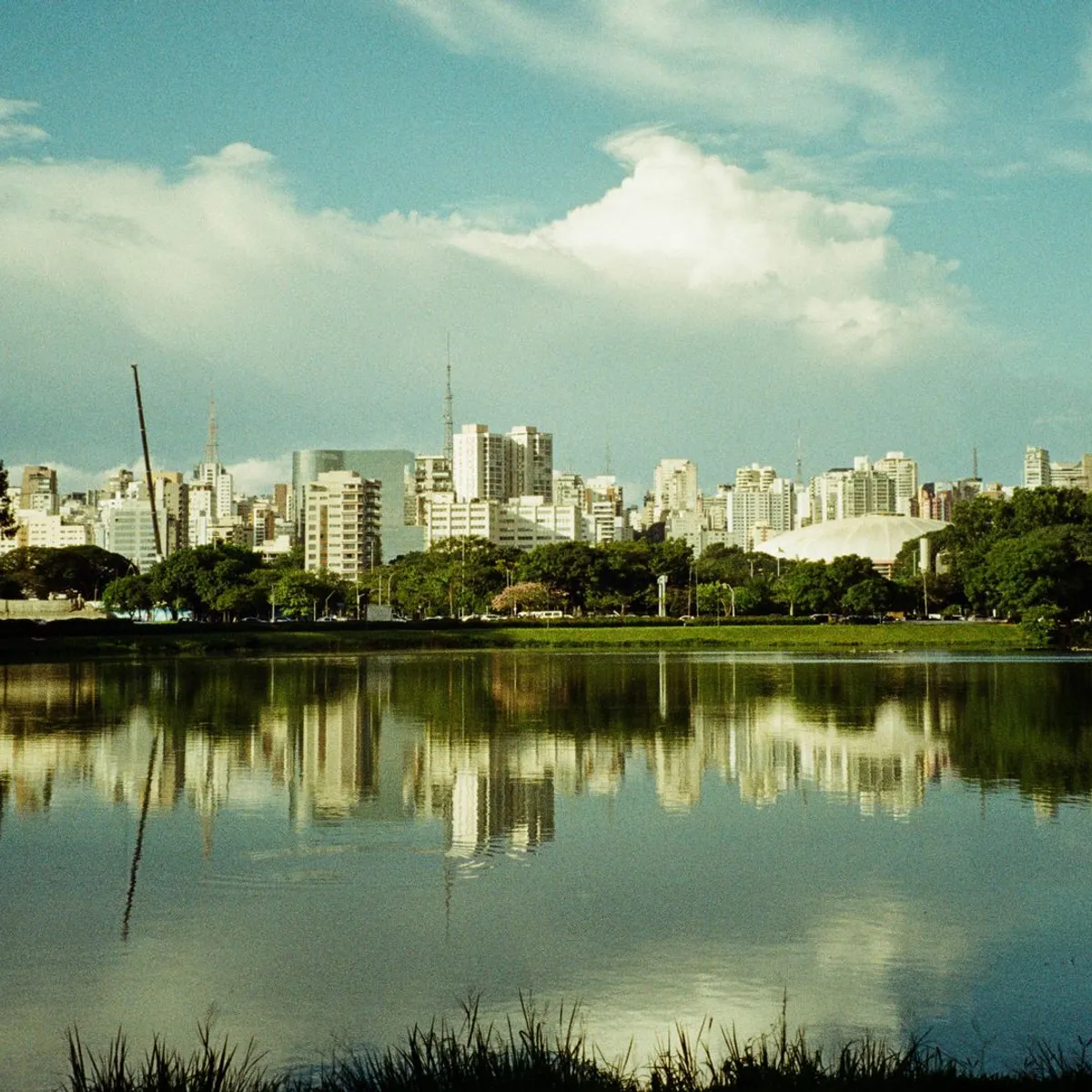
 Photo: Jean Gois / Pexels
Teresina
Teresina accessibility for wheelchair users
Compare Teresina by accessibility, transport, terrain, healthcare, cost, weather, laws, reviews, and community notes.
Teresina accessibility scores
Compare Teresina by accessibility, transport, terrain, healthcare, cost, weather, and laws. General stats use public data and models. Community rows reflect member reviews and votes.
General stats
National benchmarks and estimates — your experience in this city may differ.
Community
Starts from our estimate — thumbs up nudge toward Excellent, down toward Poor. Reviews use 1–5 stars.
These figures combine public statistics, models, and live weather where available. Every city is different — treat this as a guide, and share what you know in the Reviews & Corrections tab.
Profile last updated 7/1/2026.
Teresina wheelchair accessibility guide
Research Teresina for wheelchair users and caregivers: getting around, terrain, healthcare, costs, climate, accessible things to do, and practical caveats before booking.
Last updated 7/1/2026At a glance
Teresina is a large inland capital on the Parnaíba and Poti rivers, useful for travelers who need a service-heavy base in Piauí rather than a beach destination. For wheelchair users, the city is workable only with planning: the DB profile rates costs favorably and shows a gently rolling terrain sample, but ramp availability and wheelchair transport are modest. Treat the center, riverfront parks, and larger public or commercial buildings as the most realistic first checks, and verify entrances, toilet access, and curb cuts before committing to a full day out.
Getting around
Plan around private car, app rides, or a pre-arranged accessible taxi/driver where possible. Public transport should not be assumed step-free throughout, and sidewalks can change quickly between better paved central stretches and broken, narrow, or obstructed blocks. Keep itineraries compact: choose one district or riverfront area per outing, call venues before leaving, and leave extra time for curb ramps, street crossings, and heat breaks.
Terrain & mobility
OpenTopoData sampling in the city row describes Teresina as gently rolling, with a low sampled maximum grade around 1.3% and an 85 m elevation range, so hills are less of a problem than surfaces, crossings, and shade. The OSM pavement profile is medium-confidence: only about 22% of sampled ways are tagged good, with asphalt, sett, paving stones, and many untagged surfaces. A power chair or scooter should be easier than a manual chair on long outdoor links; manual wheelchair users may want a companion for rough paving and ramps that are too steep or blocked.
Healthcare & care
The local OSM healthcare profile lists Hospital São Marcos very close to the center and several nearby clinics such as Clínica Otorrinos 24 horas and ProntoOftalmo. These are useful leads, not verified access guarantees. Before travel, confirm emergency department access, lift availability, whether companions can assist during intake, and whether your insurance or payment method is accepted. If you need home care, mobility equipment repair, or recurring therapy, arrange contacts before arrival rather than trying to improvise after landing.
Costs & housing
The DB cost model places monthly living cost from ~$2,009/mo, with housing from ~$754/mo. Use those as planning estimates, not quotes. For accessible housing, prioritize newer apartments, hotels, or serviced rentals with elevator dimensions, step-free bathroom access, and photos of the route from street to room. Ask specifically about bathroom door width, shower lip, generator or outage backup, and whether taxis can stop close to the entrance.
Climate & comfort
Teresina is hot, bright, and inland. Heat management matters as much as distance: schedule outdoor parks and river viewpoints early or late, carry water, and choose routes with shade and indoor cooling stops. Rain can turn curb cuts and drainage channels into barriers, so avoid tight transfer windows during storms.
Accessible things to do
Encontro dos Rios / riverfront area— A real Teresina landmark where the Parnaíba and Poti rivers meet; treat it as an outdoor roll or viewpoint candidate, but verify current paving, ramps, and toilets.
Ponte Estaiada João Isidoro França viewpoint— The cable-stayed bridge/viewpoint is a recognizable city stop; call ahead for elevator or ramp status before relying on the observation access.
Parque da Cidadania— A central park-style outing that may work for shorter paved loops; check entrances and bathroom access locally.
Palácio de Karnak / civic center area— A landmark government palace area best treated as an exterior/civic-photo stop unless a visit route is confirmed.
Museu do Piauí— A cultural option to verify by phone for step-free entry, internal circulation, and accessible restrooms before visiting.
Community & language
Portuguese is essential for daily logistics. Larger hospitals, hotels, and tour operators may find English speakers, but do not rely on it for medical or access details. Written Portuguese messages with chair dimensions and photos of required bathroom setup will reduce misunderstandings.
Would we recommend it?
Yes, with caveats, for experienced travelers who want an affordable northeastern Brazilian city base and can pre-arrange transport and housing. It is not a low-friction accessibility destination: heat, inconsistent sidewalks, and uncertain accessible transport make short, verified routes the safest approach.
These figures combine public statistics, models, and live weather where available. Every city is different — treat this as a guide, and share what you know in the Reviews & Corrections tab.
Profile last updated 7/1/2026.