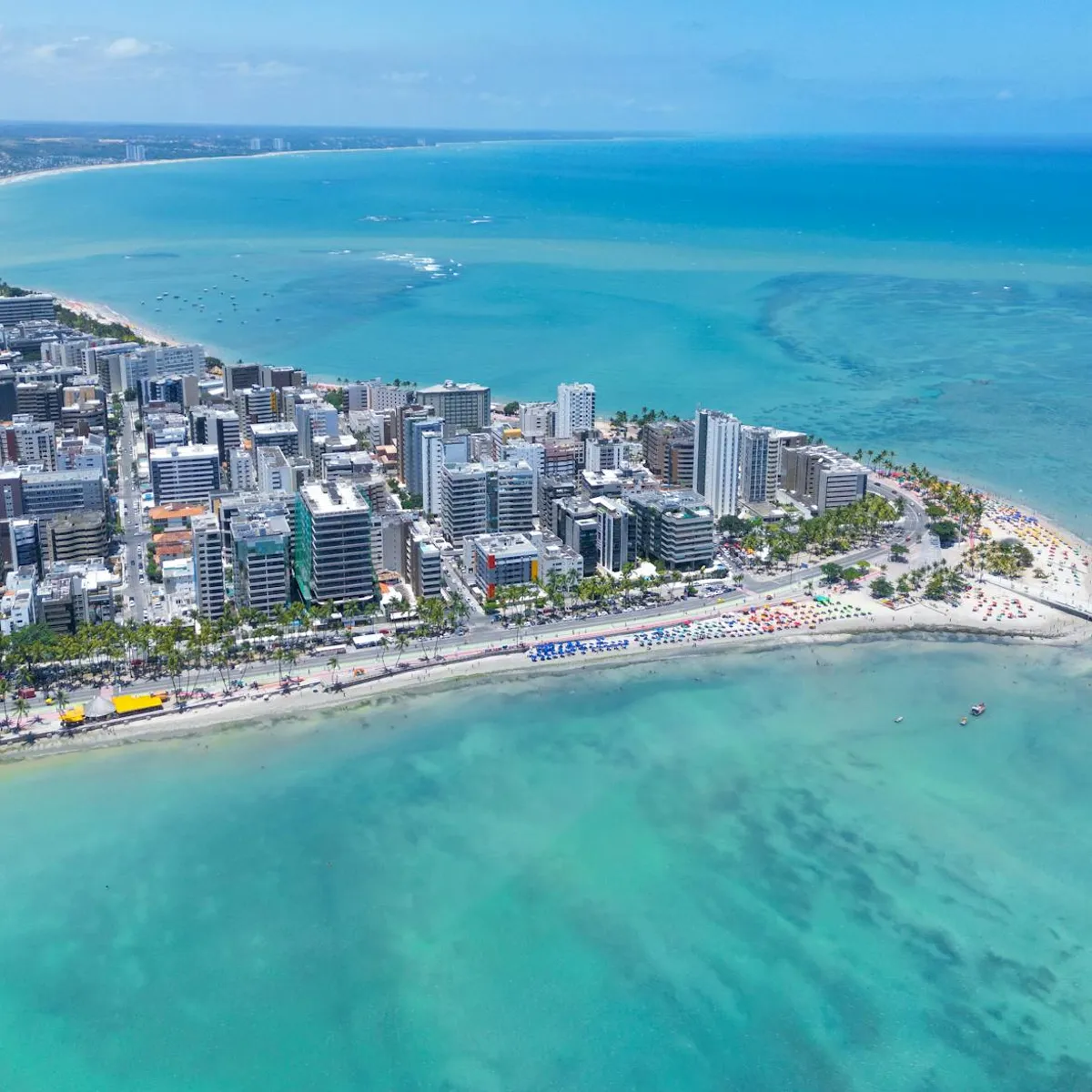
 Photo: Leon Azevedo / Pexels
Maceió
Maceió accessibility for wheelchair users
Compare Maceió by accessibility, transport, terrain, healthcare, cost, weather, laws, reviews, and community notes.
Maceió accessibility scores
Compare Maceió by accessibility, transport, terrain, healthcare, cost, weather, and laws. General stats use public data and models. Community rows reflect member reviews and votes.
General stats
National benchmarks and estimates — your experience in this city may differ.
Community
Starts from our estimate — thumbs up nudge toward Excellent, down toward Poor. Reviews use 1–5 stars.
These figures combine public statistics, models, and live weather where available. Every city is different — treat this as a guide, and share what you know in the Reviews & Corrections tab.
Profile last updated 6/30/2026.
Maceió wheelchair accessibility guide
Research Maceió for wheelchair users and caregivers: getting around, terrain, healthcare, costs, climate, accessible things to do, and practical caveats before booking.
Last updated 6/30/2026At a glance
Maceió is a coastal capital in Alagoas, Brazil, with urban beaches, reef pools, craft markets, and a relaxed waterfront rhythm. It is one of the more promising cities in this batch because the DB shows gently rolling terrain, medium pavement confidence, and a better accessibility score than many peer rows. Still, accessibility is not automatic: beach access, sidewalks, and boat trips need direct confirmation. Budget from ~$1,975/mo, including housing around ~$757/mo.
Getting around
Most wheelchair users should plan a mix of ride-hailing/taxis and short waterfront rolls rather than depending on ordinary buses. Wikivoyage notes taxis, buses, and cars, but it does not verify accessible vehicles. Ask hotels in Pajuçara, Ponta Verde, or Jatiúca about curb cuts near the building, whether taxis can load a chair, and whether beach-boardwalk sections are currently smooth. The DB estimates transport around ~$187/mo and PT around ~$91/mo.
Terrain & mobility
The city’s stored terrain profile is encouraging: gently rolling, max grade about 1.9%, and 99 m elevation range. The pavement profile is medium-confidence, with asphalt, paved, sett, and untagged surfaces; only 26% is marked good and 1% poor, so local inspection still matters. The waterfront may be easier than older inland streets. Beach sand, storm drains, broken tiles, and high curbs are the practical obstacles.
Healthcare & care
OSM healthcare leads in the row include Hospital Médico, Hospital Escola Hélvio Auto, Hemopac, ASTEFAL, and nearby clinics. The official Maceió city portal was reachable and includes municipal service references, but it does not replace direct clinic checks. Confirm emergency departments, elevator access, imaging availability, and whether a companion can assist during visits. DB estimates are medical ~$130/mo, PT ~$91/mo, and home aid ~$451/mo.
Costs & housing
Maceió’s costs are relatively friendly for a Brazilian coastal capital in the RollVenture data: from ~$1,975/mo, with food around ~$359/mo. For housing, prioritize elevators with backup power, roll-in or low-threshold showers, and a step-free path from street to lobby. Waterfront apartments may be easier for daily comfort but can have older bathroom layouts.
Climate & comfort
The climate table is warm year-round, roughly mid-20s °C, with heavier rain from May through July. Heat, humidity, and sudden showers affect wheelchair users more than the grades do: plan shade breaks, waterproof bags for cushions and controls, and avoid long exposed rolls at midday.
Accessible things to do
Pajuçara waterfront and craft fair area— Wikivoyage identifies Pajuçara as a main beach zone and craft area; verify curb cuts and surface condition on the day.
Ponta Verde beachfront— A popular urban beach corridor; best for promenade time rather than assuming sand access.
Piscinas Naturais de Pajuçara— The natural pools are reached by jangada boats according to Wikivoyage; only consider them if boarding, seating, and transfers are explicitly workable.
Museu Théo Brandão / cultural-center alternatives— Use as a weather backup if current opening and step-free entrance can be confirmed.
North- and south-coast beach viewpoints— Scenic day trips can work from vehicle viewpoints even when beach sand is inaccessible.
Community & language
Portuguese is essential for detailed access checks. Save translated phrases for ramp, elevator, step-free bathroom, transfer help, and wheelchair taxi. Tourist areas may have some English or Spanish, but medical and housing conversations will be easier with Portuguese support.
Would we recommend it?
Yes, with planning. Maceió has manageable terrain and strong coastal appeal, but users should treat boats and beach access as optional extras unless verified.
These figures combine public statistics, models, and live weather where available. Every city is different — treat this as a guide, and share what you know in the Reviews & Corrections tab.
Profile last updated 6/30/2026.