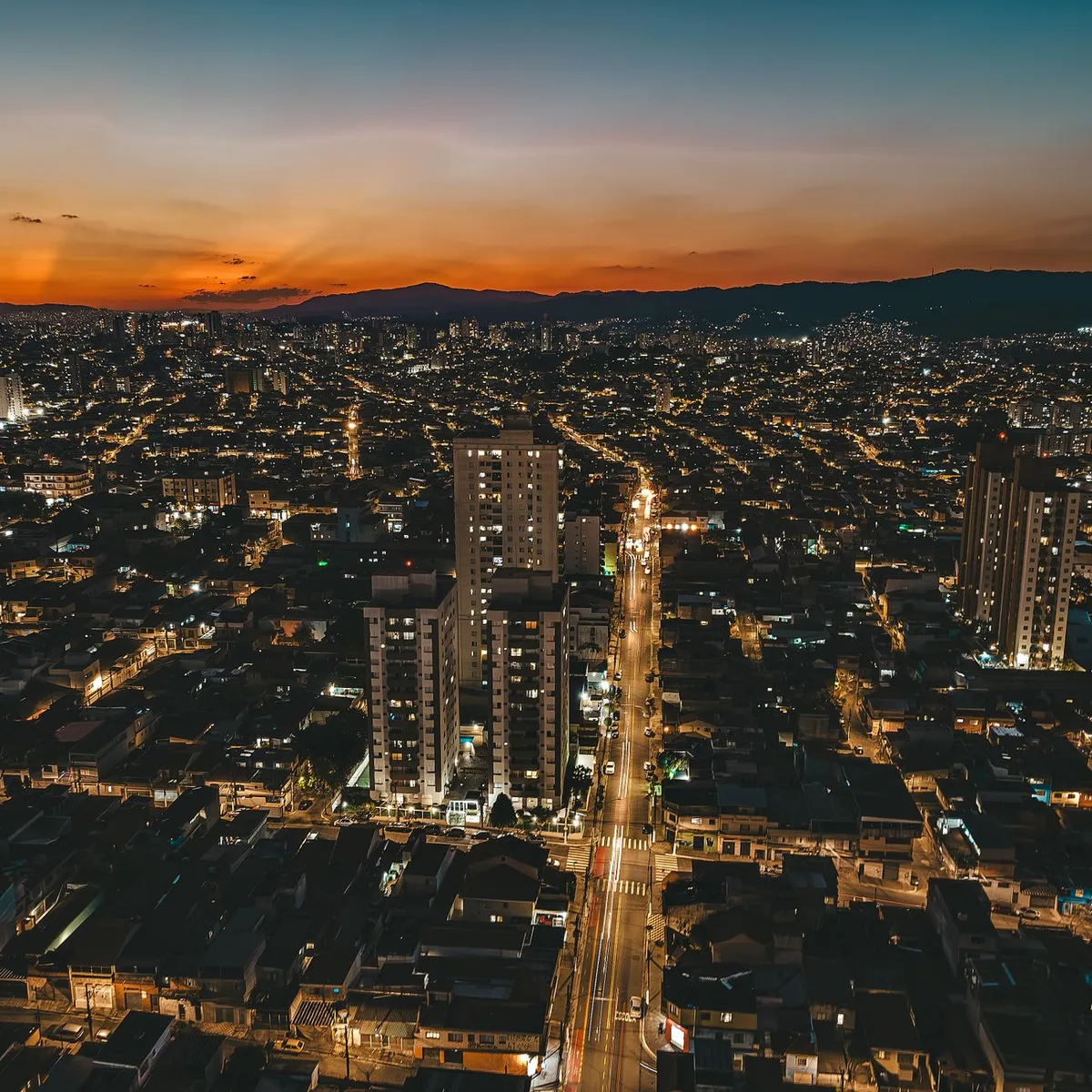
 Photo: Daniel Rocha Messias / Pexels
Maracaibo
Maracaibo accessibility for wheelchair users
Compare Maracaibo by accessibility, transport, terrain, healthcare, cost, weather, laws, reviews, and community notes.
Maracaibo accessibility scores
Compare Maracaibo by accessibility, transport, terrain, healthcare, cost, weather, and laws. General stats use public data and models. Community rows reflect member reviews and votes.
General stats
National benchmarks and estimates — your experience in this city may differ.
Community
Starts from our estimate — thumbs up nudge toward Excellent, down toward Poor. Reviews use 1–5 stars.
These figures combine public statistics, models, and live weather where available. Every city is different — treat this as a guide, and share what you know in the Reviews & Corrections tab.
Profile last updated 7/2/2026.
Maracaibo wheelchair accessibility guide
Research Maracaibo for wheelchair users and caregivers: getting around, terrain, healthcare, costs, climate, accessible things to do, and practical caveats before booking.
Last updated 7/2/2026At a glance
Maracaibo is Venezuela’s large western city on Lake Maracaibo. It has big-city services, recognizable landmarks and a relatively flat urban profile, but current travel comfort depends heavily on security, heat management and reliable private transport. RollVenture’s row shows gently rolling terrain, low measured grades and monthly costs from ~$2,838/mo, but the pavement confidence is low, so treat street-level accessibility as inconsistent until verified.
Getting around
Wikivoyage describes taxis as the practical option and warns against hailing random street taxis; that advice is especially important for wheelchair users. The city has a metro system, but do not assume step-free access at every station without current local confirmation. Walking or rolling in daylight may be possible on selected central streets, yet extreme heat, security concerns and uneven surfaces make door-to-door transport the safer default.
Terrain & mobility
The sampled terrain is forgiving, with a max grade around 1% and 100% flat samples. The barrier is not hills; it is infrastructure. The pavement profile has very few tagged good surfaces and many untagged or unpaved ways, so expect missing curb ramps, rough edges around plazas and gaps between vehicle drop-off and building entrances. Plan short, shaded movements and use companions for scouting.
Healthcare & care
OpenStreetMap leads in the database include Centro de Diálisis de Occidente, Venezolana de Salud Integral, Ambulatorio Urbano II Corito II and Hospital Madre Rafols. These are not access guarantees. Verify whether the facility is open, what services are available, whether there is ramped entry and how emergency transport works before relying on Maracaibo for complex care.
Costs & housing
The cost model is higher than many Latin American peers in this batch: housing around ~$1,454/mo and home aid around ~$521/mo. Accessible housing should be verified slowly, with attention to water/electric reliability, elevator backup, bathroom thresholds, air-conditioning and safe vehicle access. A newer apartment or hotel near a mall or clinic may be more usable than a cheaper central option.
Climate & comfort
Maracaibo is very hot. Wikivoyage’s climate table shows highs commonly in the low-to-mid 30s °C, and the city is known for intense sun. Wheelchair users should schedule errands early, prioritize air-conditioned stops and avoid long exposed rolls across plazas or parking lots.
Accessible things to do
Basilica de Nuestra Señora de Chiquinquirá— a central landmark listed by travel guides; verify ramp access and visiting hours before going.
Plaza del Rosario / Plaza Bolívar area— a compact central sightseeing cluster, best approached by taxi and used in daylight only.
Puente General Rafael Urdaneta viewpoint or drive-by— the lake bridge is a signature Maracaibo sight; a vehicle-based visit is the most realistic accessible option.
Jardín Botánico de Maracaibo— a potential outdoor stop listed in guides; surface conditions and security should be checked locally.
Santa Lucía / Calle Carabobo— historic streets can be atmospheric but may be uneven; treat as a cautious, short route rather than a guaranteed roll.
Community & language
Spanish is essential. English is limited outside higher-end hotels or private clinics. Local help is valuable for transport, safety checks and phone calls to venues.
Would we recommend it?
Only for travelers with strong local support. Maracaibo’s flat terrain helps, but heat, security, infrastructure uncertainty and healthcare verification make it a higher-risk choice than more stable regional cities.
These figures combine public statistics, models, and live weather where available. Every city is different — treat this as a guide, and share what you know in the Reviews & Corrections tab.
Profile last updated 7/2/2026.