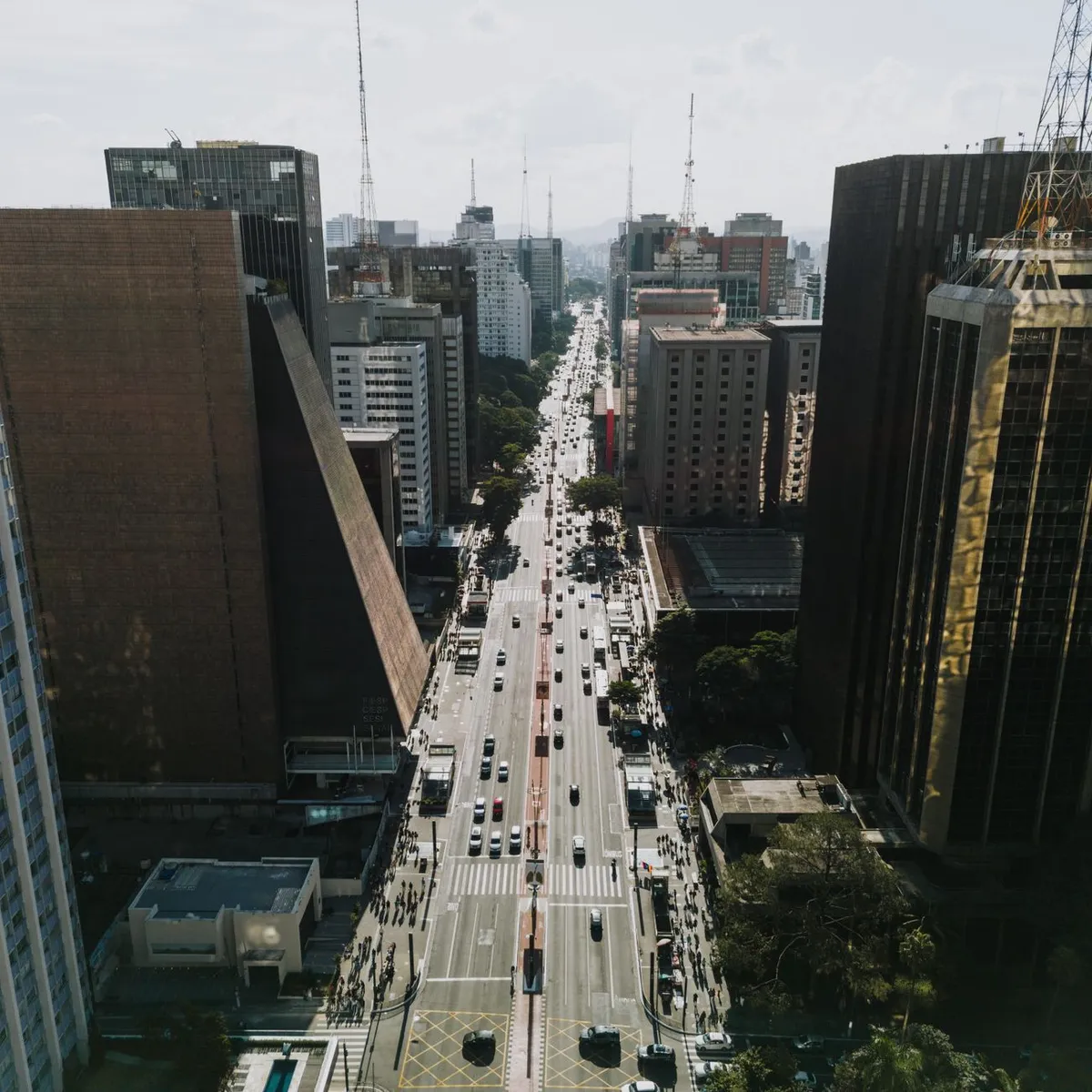
 Photo: K / Pexels
Paulista
Paulista accessibility for wheelchair users
Compare Paulista by accessibility, transport, terrain, healthcare, cost, weather, laws, reviews, and community notes.
Paulista accessibility scores
Compare Paulista by accessibility, transport, terrain, healthcare, cost, weather, and laws. General stats use public data and models. Community rows reflect member reviews and votes.
General stats
National benchmarks and estimates — your experience in this city may differ.
Community
Starts from our estimate — thumbs up nudge toward Excellent, down toward Poor. Reviews use 1–5 stars.
These figures combine public statistics, models, and live weather where available. Every city is different — treat this as a guide, and share what you know in the Reviews & Corrections tab.
Profile last updated 6/30/2026.
Paulista wheelchair accessibility guide
Research Paulista for wheelchair users and caregivers: getting around, terrain, healthcare, costs, climate, accessible things to do, and practical caveats before booking.
Last updated 6/30/2026At a glance
Paulista is a coastal municipality in Pernambuco, just north of Recife and Olinda. It can work as a lower-cost base for someone who wants beach access and a quieter daily rhythm than central Recife, but it is not a plug-and-play accessible destination. The city’s RollVenture profile is strongest on cost, with estimated living costs from ~$1,952/mo and housing from ~$675/mo, while safety and street-access scores are more modest. Treat it as a place for a traveler or remote worker who can plan transport carefully, choose housing near essential services, and verify each venue before committing.
Getting around
Most wheelchair users should plan around private rides, pre-booked taxis, or a driver rather than assuming spontaneous accessible public transport. Paulista sits in the Recife metro area, so intercity movement may involve Recife roads, bridges, and busy beach corridors. Sidewalk quality can change quickly between commercial streets, beach approaches, and residential areas. If you are staying longer than a few days, choose housing close to groceries, pharmacies, and a reliable pickup point so every errand does not require crossing broken pavement or fast traffic.
Terrain & mobility
The sampled terrain is relatively forgiving for Pernambuco: average elevation is low and the database terrain sample shows only gentle rolling grades. That helps compared with hillier Brazilian cities. The bigger issue is the ground surface. OSM pavement data for Paulista is low-confidence and shows many untagged or unpaved ways mixed with paved/asphalt segments. Expect curb cuts to be inconsistent, beach access points to vary, and drainage or sand to affect chair handling after rain. Manual-chair users may need assistance on beach-edge routes.
Healthcare & care
OpenStreetMap healthcare leads near the center include Hospital Miguel Arraes, Hospital Nossa Senhora do Ó, Centro Médico Paulista, and nearby clinics. These are leads, not accessibility guarantees, so call before arrival about entrance ramps, lift access, companion policies, emergency intake, and whether staff can help with transfers. For complex or specialist care, Recife may be the practical fallback. Budget time for traffic if you need appointments across the metro area, and keep medication refills and Portuguese medical notes organized.
Costs & housing
The database estimate is from ~$1,952/mo, with housing around ~$675/mo. That is attractive for a coastal metro-adjacent location, but accessibility may reduce the usable housing pool. Prioritize elevator buildings or ground-floor units, step-free bathroom access, reliable water, backup power plans, and proximity to pharmacies or supermarkets. Ask hosts for current photos of the entrance, bathroom doorway, shower threshold, bed height, elevator interior, and the street immediately outside.
Climate & comfort
Paulista is hot, humid, and coastal. Heat, sun exposure, sudden rain, and salty air can all affect mobility equipment and daily stamina. Plan outdoor errands early, keep a rain cover for electronics and cushions, and confirm air conditioning in any longer stay. Wet pavement and beach sand are the main comfort risks; routes that feel manageable in dry weather may become tiring after showers.
Accessible things to do
Paulista municipal tourism routes— The city’s official tourism page confirms local tourism assets; use it as a starting point, then call individual beaches or venues about step-free access and parking.
Maria Farinha / northern beach corridor— Useful for sea air and open views, but beach access should be treated as variable. Verify boardwalks, firm-surface approaches, and accessible toilets before going.
Recife and Olinda day trips— Paulista’s location makes Recife/Olinda cultural trips realistic by car. Historic areas can have cobbles, slopes, and narrow sidewalks, so choose specific museums or waterfront stops rather than trying to roll everywhere.
Local malls and supermarkets— For practical accessible outings, larger retail centers in the metro area may offer smoother floors, toilets, elevators, and easier vehicle drop-off than beach or old-town routes.
Community & language
Portuguese is essential for arranging care, transport, repairs, and housing. Recife’s broader metro area gives Paulista more services than an isolated beach town, but disability-specific information may not be easy to find online. A local contact, building doorman, or repeat driver can make daily life much easier.
Would we recommend it?
Maybe, with planning. Paulista has cost and coastal-life appeal, and the terrain is not the main obstacle. The caution is street-level accessibility: verify housing and routes carefully, expect private transport, and use Recife as the backup for specialist healthcare and larger accessible venues.
These figures combine public statistics, models, and live weather where available. Every city is different — treat this as a guide, and share what you know in the Reviews & Corrections tab.
Profile last updated 6/30/2026.