 Photo: alexandre saraiva carniato / Pexels
João Pessoa
João Pessoa accessibility for wheelchair users
Compare João Pessoa by accessibility, transport, terrain, healthcare, cost, weather, laws, reviews, and community notes.
João Pessoa accessibility scores
Compare João Pessoa by accessibility, transport, terrain, healthcare, cost, weather, and laws. General stats use public data and models. Community rows reflect member reviews and votes.
General stats
National benchmarks and estimates — your experience in this city may differ.
Community
Starts from our estimate — thumbs up nudge toward Excellent, down toward Poor. Reviews use 1–5 stars.
These figures combine public statistics, models, and live weather where available. Every city is different — treat this as a guide, and share what you know in the Reviews & Corrections tab.
Profile last updated 6/30/2026.
João Pessoa wheelchair accessibility guide
Research João Pessoa for wheelchair users and caregivers: getting around, terrain, healthcare, costs, climate, accessible things to do, and practical caveats before booking.
Last updated 6/30/2026At a glance
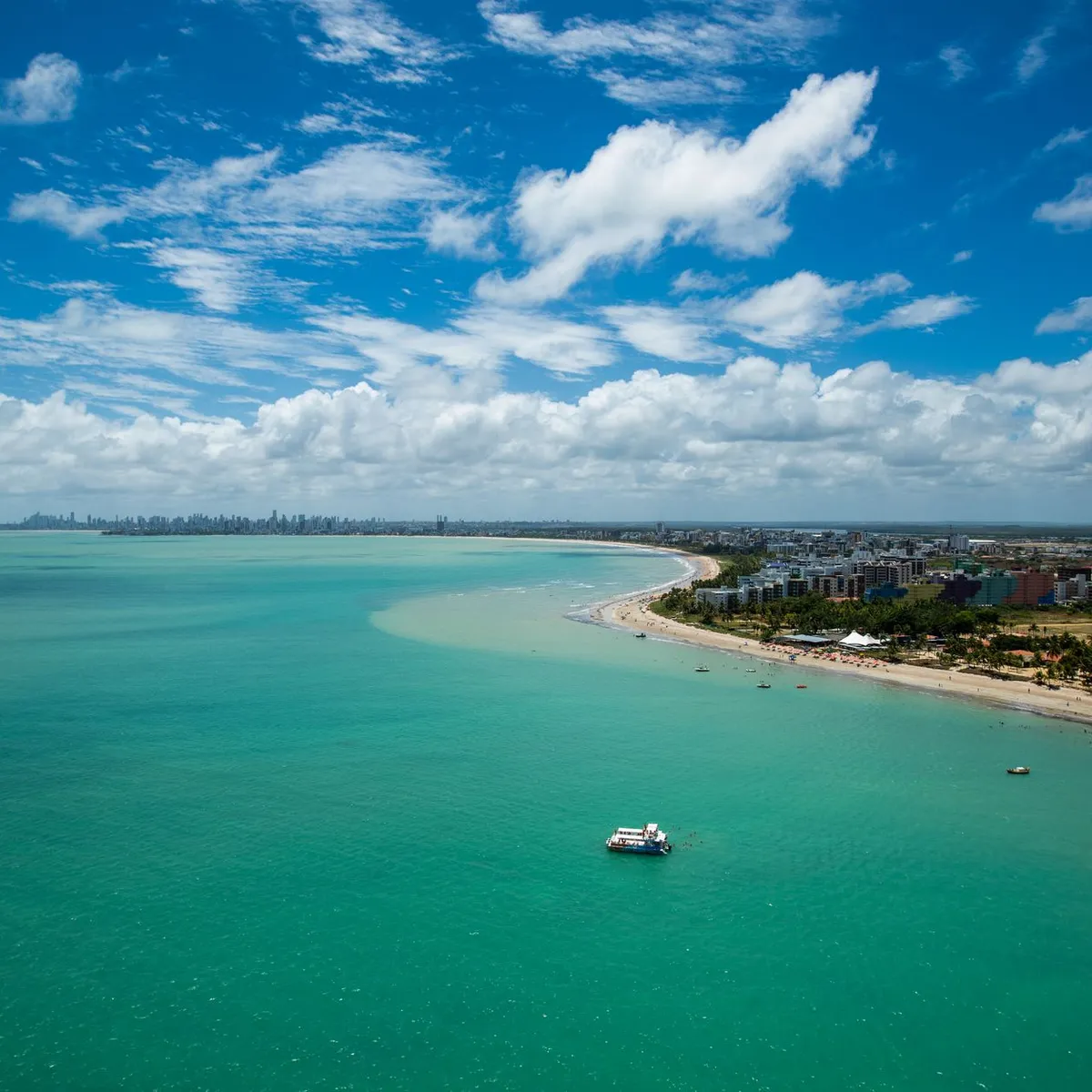
João Pessoa is a beach-focused Paraíba capital with a calmer pace than Brazil’s largest coastal cities. The waterfront gives it some of the better rollable outings in this batch, while the historic center needs more caution. RollVenture scores it in the high-50s overall, with accessibility around 50 and infrastructure around 57. Costs are relatively manageable for Brazil: use the DB estimate from ~$2002/mo, including housing from ~$743/mo, as a planning anchor rather than a guarantee. The best fit is an independent wheelchair user or caregiver-supported traveler who can pre-book lodging, use door-to-door transport, and verify venue details in Portuguese.
Getting around
Plan around taxis/rideshare and hotel-arranged vehicles. The beach districts reduce trip length, but bus accessibility and curb quality should be verified for each route. For arrival and daily errands, ask hotels or hosts about step-free entrances, elevator size, curb cuts at the nearest corner, and whether drivers can pull up without a high curb or drainage channel. Keep transfer days light: one medical errand plus one social outing is more realistic than a packed itinerary.
Terrain & mobility
The terrain profile is gently rolling, with sampled average elevation around 29 m and maximum sampled grades near 1.4%. OSM pavement tagging is medium confidence: dominant surfaces include untagged, paved, asphalt, sett, with an average way score of 63. That means the city should not be judged only by its overall flatness: an accessible-looking route can still fail because of broken slabs, driveway lips, steep ramps, rain gutters or parked vehicles. Scout the first 300-500 m around lodging on street view or with a local contact before booking.
Healthcare & care
OpenStreetMap healthcare leads near the center include CLIM, Hemocentro da Paraíba, Hospital Pediátrico Unimed João Pessoa. Treat these as leads, not promises: call ahead for specialty coverage, accessible entrances, appointment timing, and whether a companion can assist during intake. Brazil’s larger cities often have both public and private care pathways; for a long stay, identify a private clinic, an emergency hospital, and a pharmacy close to lodging before arrival.
Costs & housing
The cost profile is attractive compared with larger global cities, but accessibility can raise the real budget. Prioritize elevators, shower access, bed height, backup power for lifts/charging, and a building entrance without stairs. If a listing says “accessible,” ask for photos of the entrance, bathroom turning space, shower threshold and route from parking or drop-off.
Climate & comfort
Warm, sunny and humid; early mornings and late afternoons are usually more comfortable for waterfront movement. Build days around short hops, covered waiting areas, and reliable air-conditioning. Rain can quickly turn curb ramps and older paving into transfer risks, so keep a flexible plan and avoid relying on a single long outdoor route.
Accessible things to do
Cabo Branco Station— Verified as a real city anchor from browser/source review or city landmark data; treat it as a candidate for assisted, lower-rush visiting and confirm step-free entrances, toilets and drop-off points before committing.
Cabo Branco and Tambaú waterfront— Verified as a real city anchor from browser/source review or city landmark data; treat it as a candidate for assisted, lower-rush visiting and confirm step-free entrances, toilets and drop-off points before committing.
Ponta do Seixas / Cabo Branco Lighthouse area— Verified as a real city anchor from browser/source review or city landmark data; treat it as a candidate for assisted, lower-rush visiting and confirm step-free entrances, toilets and drop-off points before committing.
Centro Cultural São Francisco— Verified as a real city anchor from browser/source review or city landmark data; treat it as a candidate for assisted, lower-rush visiting and confirm step-free entrances, toilets and drop-off points before committing.
Parque Solon de Lucena— Verified as a real city anchor from browser/source review or city landmark data; treat it as a candidate for assisted, lower-rush visiting and confirm step-free entrances, toilets and drop-off points before committing.
Community & language
Portuguese is essential for detailed access checks. Larger hotels, hospitals and tourist venues may have some English, but practical questions about ramps, elevators and toilet dimensions are easier with translated messages. Local disability communities and hotel staff can be more useful than generic travel pages for current curb and transport conditions.
Would we recommend it?
Yes, but selectively. João Pessoa is worth considering if the trip has a strong reason—family, medical access, culture, coast, parks or a lower-cost Brazil base—and if you can verify lodging and transport before arrival. It is not a “show up and improvise” wheelchair destination; the safer plan is to choose a compact base, confirm every critical access point, and keep backup transport money available.
These figures combine public statistics, models, and live weather where available. Every city is different — treat this as a guide, and share what you know in the Reviews & Corrections tab.
Profile last updated 6/30/2026.