 Photo: Alfredo Marco Pradil / Pexels
Carabanchel
Carabanchel accessibility for wheelchair users
Compare Carabanchel by accessibility, transport, terrain, healthcare, cost, weather, laws, reviews, and community notes.
Carabanchel accessibility scores
Compare Carabanchel by accessibility, transport, terrain, healthcare, cost, weather, and laws. General stats use public data and models. Community rows reflect member reviews and votes.
General stats
National benchmarks and estimates — your experience in this city may differ.
Community
Starts from our estimate — thumbs up nudge toward Excellent, down toward Poor. Reviews use 1–5 stars.
These figures combine public statistics, models, and live weather where available. Every city is different — treat this as a guide, and share what you know in the Reviews & Corrections tab.
Profile last updated 6/30/2026.
Carabanchel wheelchair accessibility guide
Research Carabanchel for wheelchair users and caregivers: getting around, terrain, healthcare, costs, climate, accessible things to do, and practical caveats before booking.
Last updated 6/30/2026At a glance
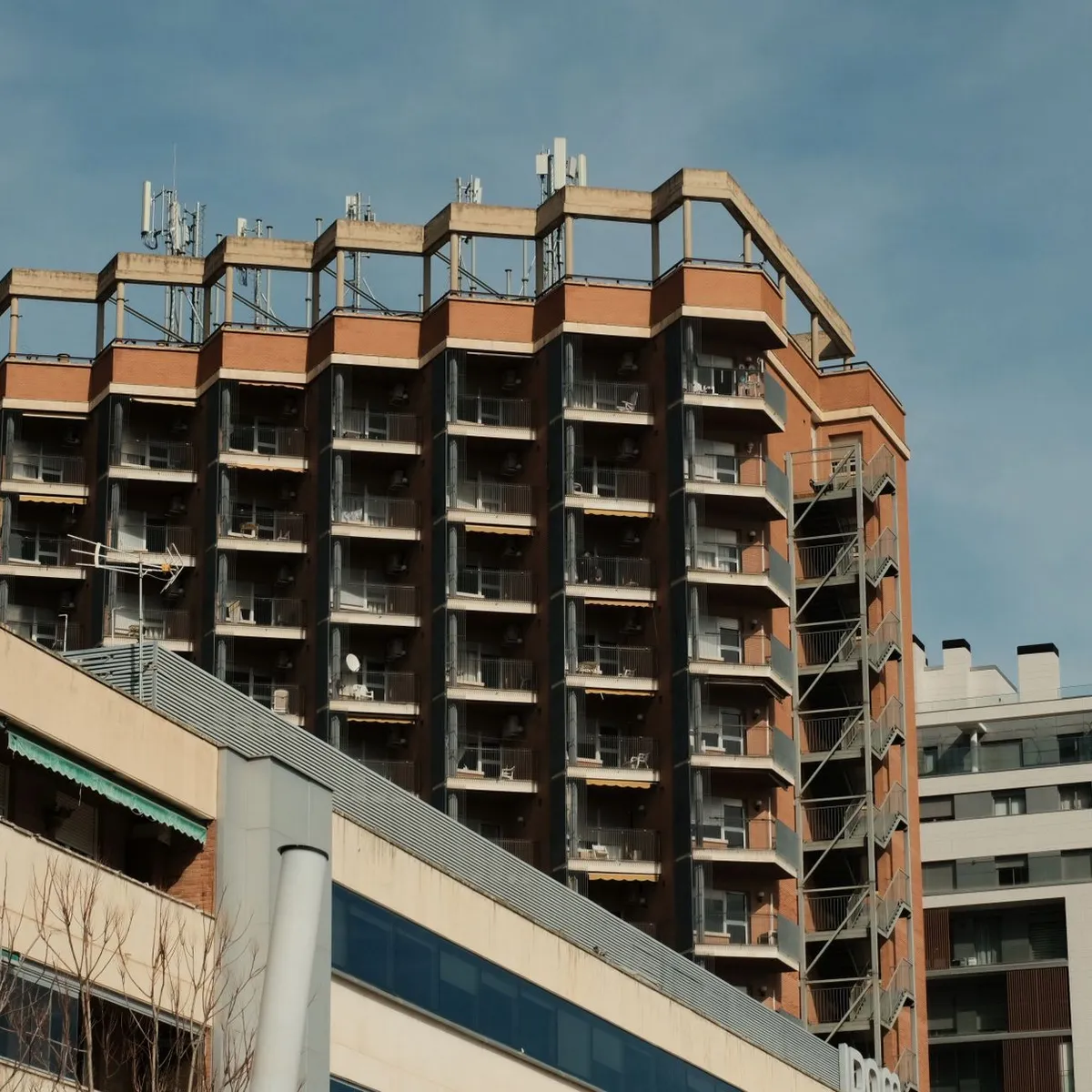
Carabanchel is a dense Madrid district rather than a standalone tourist city, so wheelchair access should be judged as part of Madrid’s wider transport and healthcare network. The positives are metro/bus coverage, high-confidence pavement data, and proximity to major museums and parks. The challenges are older apartment stock, curb details, busy crossings, and Madrid’s summer heat.
RollVenture data shows living costs from ~$3,052/mo and housing from ~$1,445/mo. Terrain is labelled hilly in the wider sample, but the measured max grade is modest at 1.9%; the practical question is not mountains, but whether your exact street, building entrance, and metro route are step-free.
Getting around
Madrid’s public transport system has many accessible buses and an expanding accessible metro network, but not every station is step-free. For Carabanchel, check the exact metro stations you would use, elevator status, and whether bus alternatives are practical. EMT buses can be a better fallback than metro if the nearest station lacks lifts. For airport or hospital trips, accessible taxi booking is worth testing before relying on it.
Terrain & mobility
The district has a mix of broad avenues, older residential streets, parks, and busy road crossings. OSM pavement sampling is high-confidence, with asphalt and paving stones common where tagged. That is encouraging, but paving stones, tree roots, construction works, and steep curb ramps can still interrupt routes. Test the path from housing to groceries, pharmacy, transit, and a shaded rest point; summer heat makes long detours harder.
Healthcare & care
The DB profile lists local clinic leads, including **Centro de Salud Nuestra Señora de Fátima**, but these should be treated as starting points. Madrid’s larger hospital network gives better backup than many smaller cities, yet primary-care registration, language, insurance, and physical access need advance confirmation. Ask clinics about step-free entrances, lifts, appointment systems, and whether accessible transport can stop near the door.
Costs & housing
Carabanchel can be more affordable than central Madrid, but accessible apartments are uneven. RollVenture shows transport from ~$250/mo, medical from ~$135/mo, PT from ~$95/mo, and home aid from ~$649/mo. Look for newer buildings or renovated units with elevator dimensions, no entry steps, reachable rubbish/recycling, and nearby step-free transit. Older flats may have small lifts or a step before the lift.
Climate & comfort
Madrid has hot, dry summers and cooler winters. Heat, sun exposure, and limited shade can be more disabling than slope. Plan midday breaks, shaded routes, and buildings with reliable air-conditioning. Pavement glare and long crossings are worth checking for powerchair battery and fatigue planning.
Accessible things to do
Madrid Río— a major outdoor corridor near the Manzanares with many paved sections; check ramps, distances, shade, and restroom access.
Matadero Madrid— a large cultural complex near the district edge; verify current accessible entrances, exhibition routes, and event seating.
San Isidro / Carabanchel local parks— useful neighbourhood green space, but surfaces and slopes vary, so preview the exact route.
Central Madrid museums by transit— Prado, Reina Sofía, and other major venues are reachable from the wider network; plan around step-free stations and elevator status.
Community & language
Spanish is the default language, with English more common in tourism than daily errands. Madrid has strong disability organisations and a large healthcare ecosystem, so practical help is easier to find than in smaller towns. Neighbourhood life is lively, but crowds and narrow shops can be tiring.
Would we recommend it?
Yes, if you want Madrid access at somewhat lower housing costs and are willing to verify the exact metro station, building, and summer routine. It is not ideal if you need guaranteed step-free access from every older storefront or apartment block.
These figures combine public statistics, models, and live weather where available. Every city is different — treat this as a guide, and share what you know in the Reviews & Corrections tab.
Profile last updated 6/30/2026.
Reviews & corrections
Share your experience or suggest a data correction. Both appear publicly; admin updates official city scores and costs separately.
Log in to write a review or suggest a correction.
No reviews or corrections yet.