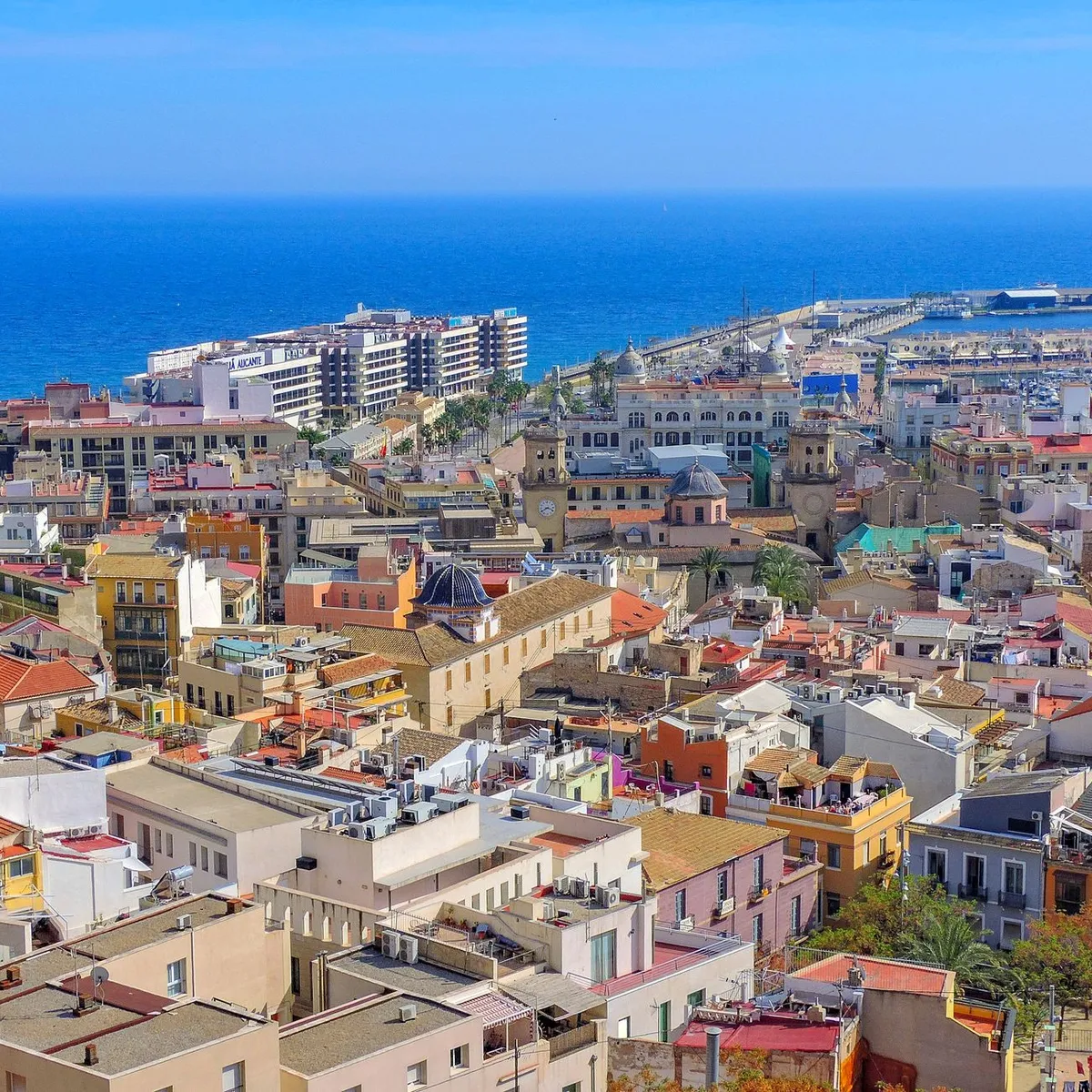
 Photo: Emilio Sánchez Hernández / Pexels
Cartagena
Cartagena accessibility for wheelchair users
Compare Cartagena by accessibility, transport, terrain, healthcare, cost, weather, laws, reviews, and community notes.
Cartagena accessibility scores
Compare Cartagena by accessibility, transport, terrain, healthcare, cost, weather, and laws. General stats use public data and models. Community rows reflect member reviews and votes.
General stats
National benchmarks and estimates — your experience in this city may differ.
Community
Starts from our estimate — thumbs up nudge toward Excellent, down toward Poor. Reviews use 1–5 stars.
These figures combine public statistics, models, and live weather where available. Every city is different — treat this as a guide, and share what you know in the Reviews & Corrections tab.
Profile last updated 6/30/2026.
Cartagena wheelchair accessibility guide
Research Cartagena for wheelchair users and caregivers: getting around, terrain, healthcare, costs, climate, accessible things to do, and practical caveats before booking.
Last updated 6/30/2026At a glance
Cartagena is a compact Mediterranean port with strong history, a useful central bus-and-rail pattern, and enough step-free cultural stops to make a short wheelchair-user stay realistic. RollVenture’s live row rates it 70/100 for accessibility and 67/100 for pavement, with a hilly terrain profile rather than a flat one. Treat the old town, Roman sites, and waterfront as the core zone, and keep transfers short: many streets are paved and urban, but slopes, archaeology-site thresholds, and summer heat can turn a simple route into work. The DB cost profile is from ~$2,990/mo, so it is cheaper than Madrid or Barcelona but not a bargain if you need central, elevator-served housing.
Getting around
Cartagena is best approached as a station-plus-old-port city. Use local taxis or confirmed accessible transfers for arrival, then cluster sightseeing near the port, Calle Mayor, and the Roman Theatre area. City buses and intercity rail can help, but wheelchair users should verify ramp/lift availability and station assistance before relying on a tight connection. Spain’s official tourism and accessibility pages support planning around accessible routes, but individual historic buildings still need a same-week access check.
Terrain & mobility
The OpenTopoData profile is hilly, with a recorded max grade around 7.2%. That matches the city: waterfront walks can feel manageable, while the Roman hillside and castle approaches are more demanding. OSM pavement confidence is medium, with asphalt, paving stones, and concrete all present. Expect curb cuts in the central commercial area but also uneven stone, drainage channels, and narrow crossings around older lanes.
Healthcare & care
The row lists nearby clinics and hospital leads, including Centro Médico Virgen de la Caridad and Hospital Perpetuo Socorro 2, from OpenStreetMap. Treat these as starting points, not guarantees of wheelchair-accessible care. For longer stays, confirm step-free entrance, elevator access, appointment language, and whether home aid or physiotherapy providers can serve your exact neighborhood.
Costs & housing
Use the DB estimate of from ~$2,990/mo as the planning baseline, including about $1,393 housing and $248 transport. The practical housing filter is not just rent: require an elevator, a shower without a high tray, air conditioning, and a route to groceries without steep ramps.
Climate & comfort
Cartagena is sunny, dry, and hot in summer. Heat management matters: plan early-morning outdoor routes, carry water, and prioritize shaded museums after lunch. Winter is easier for rolling, though sea wind can make exposed waterfront sections uncomfortable.
Accessible things to do
Roman Theatre Museum— Central, high-value archaeology stop; verify lift routes and any temporary room closures before booking.
ARQVA National Museum of Underwater Archaeology— Modern museum near the waterfront, usually a better wheelchair bet than hillside ruins; confirm current access desk details.
Cartagena waterfront and port promenade— A practical low-grade outing with cafés, cruise-port activity, and smoother surfaces than the upper historic lanes.
Calle Mayor and historic centre loop— Good for a compact city feel, but expect paving changes and occasional curb/threshold workarounds.
Community & language
Spanish is the default; English is more common at major tourism desks than in clinics or housing offices. Cartagena is friendly to visitors, but arrange written confirmations for access, care, and building features.
Would we recommend it?
Yes for a short, planned cultural stay if you can handle some hills and verify access at each attraction. It is less ideal for a first independent wheelchair relocation unless you secure central step-free housing and transport support first.
These figures combine public statistics, models, and live weather where available. Every city is different — treat this as a guide, and share what you know in the Reviews & Corrections tab.
Profile last updated 6/30/2026.
Reviews & corrections
Share your experience or suggest a data correction. Both appear publicly; admin updates official city scores and costs separately.
Log in to write a review or suggest a correction.
No reviews or corrections yet.