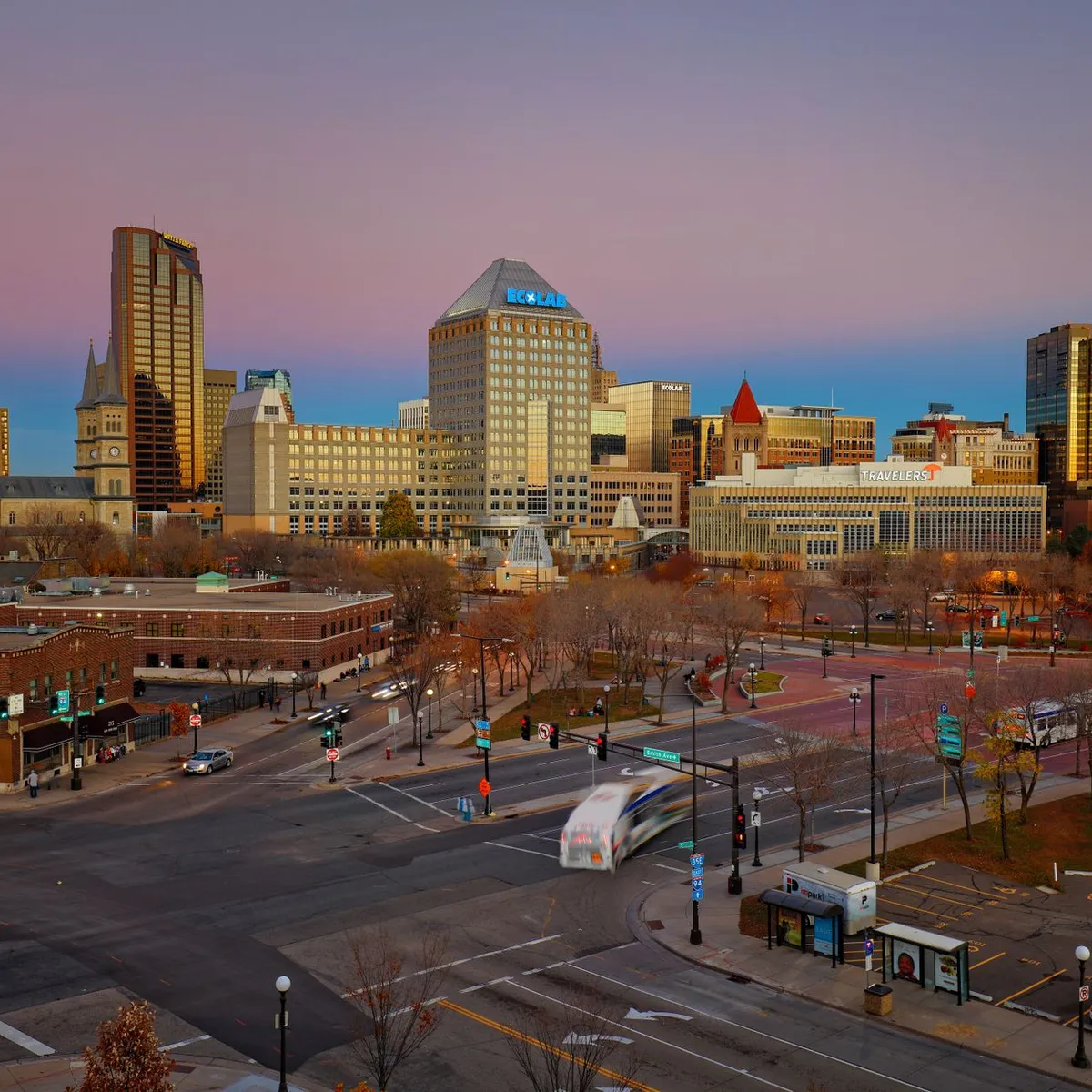
 Photo: Adriaan Greyling / Pexels
Cheyenne
Cheyenne accessibility for wheelchair users
Compare Cheyenne by accessibility, transport, terrain, healthcare, cost, weather, laws, reviews, and community notes.
Cheyenne accessibility scores
Compare Cheyenne by accessibility, transport, terrain, healthcare, cost, weather, and laws. General stats use public data and models. Community rows reflect member reviews and votes.
General stats
National benchmarks and estimates — your experience in this city may differ.
Community
Starts from our estimate — thumbs up nudge toward Excellent, down toward Poor. Reviews use 1–5 stars.
These figures combine public statistics, models, and live weather where available. Every city is different — treat this as a guide, and share what you know in the Reviews & Corrections tab.
Profile last updated 6/30/2026.
Cheyenne wheelchair accessibility guide
Research Cheyenne for wheelchair users and caregivers: getting around, terrain, healthcare, costs, climate, accessible things to do, and practical caveats before booking.
Last updated 6/30/2026At a glance
Cheyenne is a compact, high-plains capital with useful healthcare proximity, several downtown attractions, and a database accessibility score that is stronger than many similarly sized U.S. cities. It is still a place to plan carefully: the city sits at high elevation, weather can change quickly, and the pavement profile shows a mix of asphalt, dirt, gravel, and untagged ways. Treat it as workable with good preparation, not automatically barrier-free.
Getting around
The City of Cheyenne transit pages were reachable only as a blocked source during this run, so do not rely on secondhand assumptions. Before arrival, verify Cheyenne Transit Program fixed-route accessibility, paratransit eligibility, visitor procedures, booking windows, and stop locations directly with the city. For short stays, a rental vehicle or pre-arranged accessible ride may be simpler than depending on spontaneous trips, especially in winter or during frontier-days crowds.
Terrain & mobility
The database terrain sample labels Cheyenne Hilly, but the sampled maximum grade is modest at about 1.5%; the challenge is more elevation, wind, snow/ice, and variable surfaces than steep urban hills. Downtown blocks can be manageable, while outer attractions and gravel-edge parking areas need extra verification. Wheelchair users should ask hotels for photos of parking-to-room routes and confirm snow removal practices in colder months.
Healthcare & care
OpenStreetMap lists Cheyenne Regional Medical Center as an emergency hospital lead very close to the city point, with additional clinic leads nearby. Use those as starting points only: confirm specialist access, after-hours care, insurance, prescription availability, and discharge transport. The RollVenture cost estimate is from ~$3,486/mo, including housing around ~$1,376/mo, with separate medical, PT, and home-aid estimates.
Costs & housing
Cheyenne's costs are moderate for a U.S. state capital but not low. Favor newer hotels or apartments with documented ADA rooms, interior corridors, elevator backups if above ground level, and winter maintenance. Because events can tighten supply, book accessible rooms directly with the property rather than relying only on third-party filters.
Climate & comfort
High elevation, dry air, wind, hail, snow, and strong sun all matter. Users with respiratory, fatigue, or temperature-regulation concerns should pace the first day and keep backup indoor plans.
Accessible things to do
Cheyenne Depot Museum— a central, weather-protected museum lead in the historic depot; verify elevator or step-free access, restroom details, and event-day crowding before visiting.
Wyoming State Museum— a state-run museum lead for an indoor outing; confirm current ADA entrance, exhibit circulation, and accessible parking.
Cheyenne Botanic Gardens— a useful indoor/outdoor attraction lead; confirm greenhouse paths, garden grades, restroom access, and seasonal closures.
Downtown Cheyenne and Depot Plaza— a compact area for public art, food, and events; check curb cuts, brick/paver surfaces, and crowd barriers during festivals.
Community & language
English is the default language. The city has a friendly, civic feel, but visitors may need to call venues for detailed wheelchair information. Event periods can be lively but more crowded and expensive.
Would we recommend it?
Yes for a prepared wheelchair user who wants a smaller U.S. capital with nearby healthcare and indoor attractions. It is a weaker fit for someone who needs warm weather, low elevation, or fully documented transit before arrival.
These figures combine public statistics, models, and live weather where available. Every city is different — treat this as a guide, and share what you know in the Reviews & Corrections tab.
Profile last updated 6/30/2026.