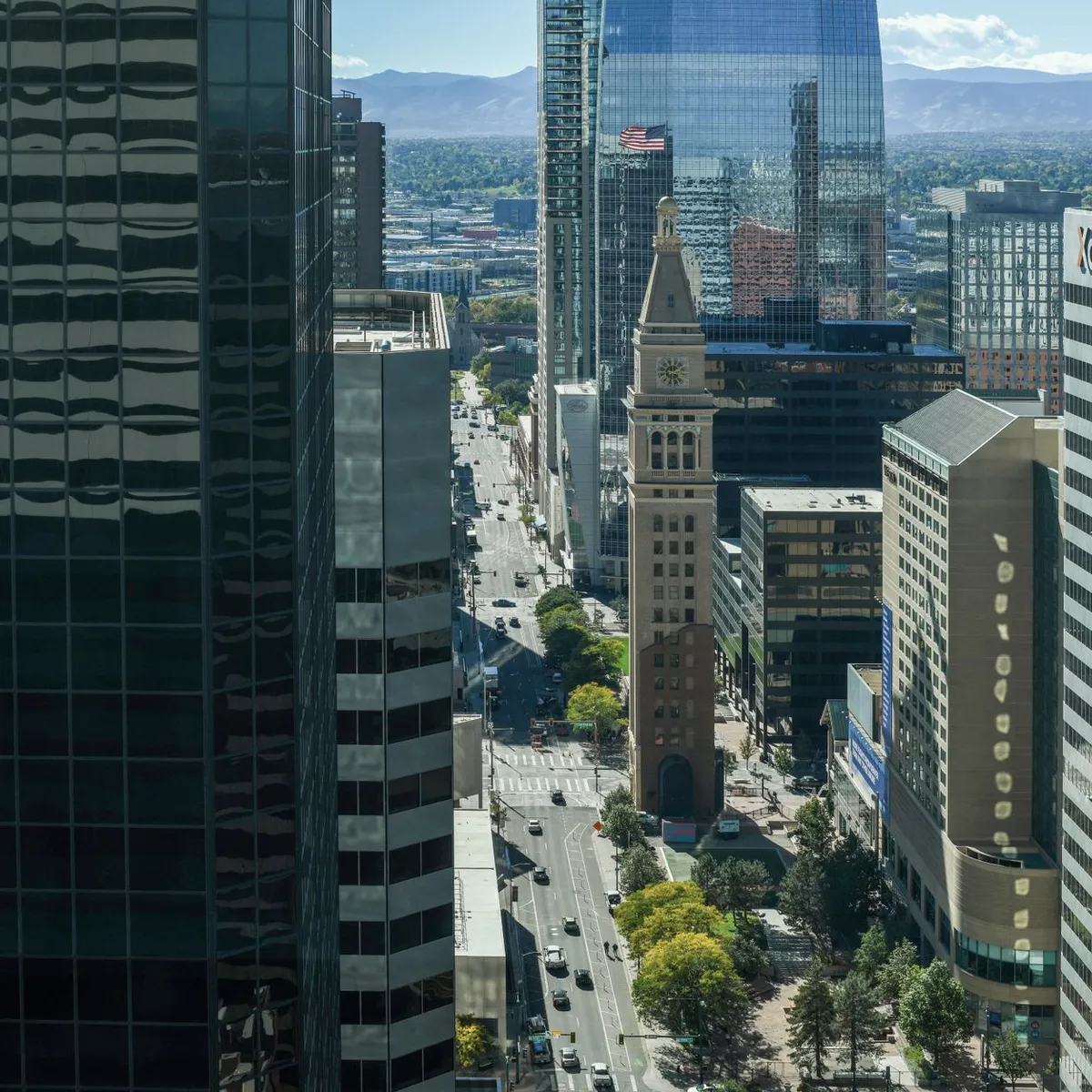
 Photo: MINEIA MARTINS / Pexels
Denver
Denver accessibility for wheelchair users
Compare Denver by accessibility, transport, terrain, healthcare, cost, weather, laws, reviews, and community notes.
Denver accessibility scores
Compare Denver by accessibility, transport, terrain, healthcare, cost, weather, and laws. General stats use public data and models. Community rows reflect member reviews and votes.
General stats
National benchmarks and estimates — your experience in this city may differ.
Community
Starts from our estimate — thumbs up nudge toward Excellent, down toward Poor. Reviews use 1–5 stars.
These figures combine public statistics, models, and live weather where available. Every city is different — treat this as a guide, and share what you know in the Reviews & Corrections tab.
Profile last updated 6/30/2026.
Denver wheelchair accessibility guide
Research Denver for wheelchair users and caregivers: getting around, terrain, healthcare, costs, climate, accessible things to do, and practical caveats before booking.
Last updated 6/30/2026At a glance
Denver is a strong but expensive choice for wheelchair users who want a large U.S. city with mature ADA expectations, airport access, and a useful light-rail/bus network. The RollVenture row scores accessibility high and the local pavement sample is one of the better ones in this batch, but the city still needs route planning: winter snow, downtown construction, curb-ramp gaps in older neighborhoods, and long distances between some attractions can turn an easy-looking day into a tiring one. Budget from ~$4,513/mo, with housing from ~$2,352/mo, before personal-care or insurance details.
Getting around
Use RTD bus and rail as the default public-transit lead, but check elevator/service alerts before relying on a station transfer. RTD’s own accessibility materials describe accessible vehicles and rider support; paratransit and reduced-fare programs should be checked directly if you qualify. Downtown, LoDo, Union Station, Civic Center, and the museum district are the easiest zones to combine by transit, rideshare, or short rolls. For airport days, build in extra time because luggage, weather, and platform changes matter.
Terrain & mobility
The DB terrain profile is gently rolling, with a 1.5% sampled max grade and high pavement confidence. That is encouraging for central Denver, but elevation, winter freeze-thaw, and construction plates are the real comfort issues. Sidewalks are generally practical around downtown and major civic/cultural corridors. Neighborhood edges and older residential streets need more caution, especially after snow or during curb work.
Healthcare & care
Healthcare access is broad by U.S. standards, but insurance and network status matter more than proximity. The DB healthcare profile lists OSM leads such as Kindred Hospital Denver and nearby clinics; treat those as starting points, not guarantees. Confirm wheelchair entrances, exam-table availability, imaging transfer support, prescription delivery, and after-hours urgent-care options before a stay. Home aid and PT are likely available but expensive; the row estimates home aid around $871/mo and PT around $148/mo.
Costs & housing
Denver is not a budget pick. Accessible rentals near transit, elevators, roll-in showers, and snow-managed paths can price well above the row average. Ask for measurements, threshold photos, elevator outage history, parking/curb access, and snow-removal responsibility. If you need daily care, compare central Denver with nearby suburbs that may offer newer buildings but longer paratransit or rideshare trips.
Climate & comfort
Sun is a plus, but altitude, dry air, summer heat, wildfire smoke, and winter snow can all affect comfort. Power-chair users should plan battery range around cold days and hills. Manual-chair users may find dry sidewalks helpful, yet snow piles at curb cuts can linger after storms. Hydration, skin care, and backup indoor routes are worth planning.
Accessible things to do
Denver Art Museum— A central cultural anchor with published accessibility information; verify current entrance, elevator, and exhibition-route details before visiting.
Denver Botanic Gardens— A good fair-weather option with paved garden routes, though some seasonal paths and crowded events need checking.
Union Station / LoDo— Useful as a transit-linked food and architecture stop; check crowds, construction, and curb cuts around the station.
Civic Center Park and nearby museums— A practical cluster for short-roll planning, but event fencing and pavement changes can affect routes.
Community & language
English is the working language. Disability services, ADA vocabulary, and accessible transport concepts are widely understood, but individual venue staff knowledge varies. The city has a large healthcare, university, tech, and outdoor-recreation community, which helps with equipment repair leads and peer advice.
Would we recommend it?
Yes, for wheelchair users who can afford the cost and want a U.S. city with strong services, culture, and transit coverage. The main caveats are housing cost, winter routing, altitude, and the need to verify station elevators and venue access before each important trip.
These figures combine public statistics, models, and live weather where available. Every city is different — treat this as a guide, and share what you know in the Reviews & Corrections tab.
Profile last updated 6/30/2026.