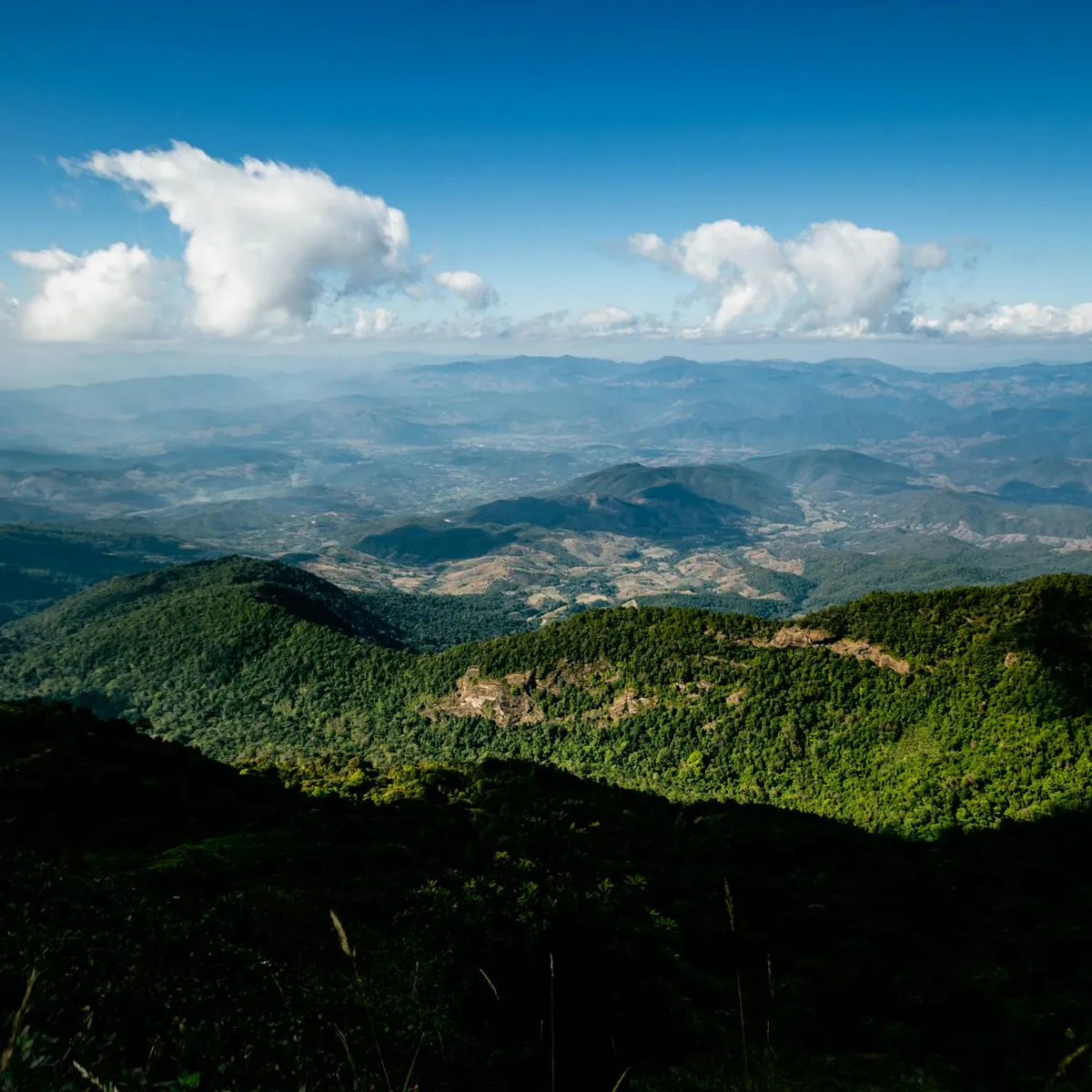
 Photo: Zaonar Saizainalin / Pexels
Chiang Mai
Chiang Mai accessibility for wheelchair users
Compare Chiang Mai by accessibility, transport, terrain, healthcare, cost, weather, laws, reviews, and community notes.
Chiang Mai accessibility scores
Compare Chiang Mai by accessibility, transport, terrain, healthcare, cost, weather, and laws. General stats use public data and models. Community rows reflect member reviews and votes.
General stats
National benchmarks and estimates — your experience in this city may differ.
Community
Starts from our estimate — thumbs up nudge toward Excellent, down toward Poor. Reviews use 1–5 stars.
These figures combine public statistics, models, and live weather where available. Every city is different — treat this as a guide, and share what you know in the Reviews & Corrections tab.
Profile last updated 6/30/2026.
Chiang Mai wheelchair accessibility guide
Research Chiang Mai for wheelchair users and caregivers: getting around, terrain, healthcare, costs, climate, accessible things to do, and practical caveats before booking.
Last updated 6/30/2026At a glance
Chiang Mai is one of Southeast Asia’s most appealing long-stay cities, with hospitals, cafés, temples, markets, mountains, and a large international community. For wheelchair users, the promise is real but uneven. The RollVenture cost profile is strong, with estimated living costs from ~$1,689/mo and housing around ~$560/mo, and OSM pavement data in the core is relatively strong. The challenge is that the old city, temples, sidewalks, songthaews, and mountain attractions are not reliably accessible. It is best for someone who can choose modern housing, use private transport, and treat each attraction as a separate access check.
Getting around
Public songthaews and tuk-tuks are not a dependable wheelchair solution. Most wheelchair users should plan around private drivers, Grab-style rides when chair storage works, or hotel-arranged transport. The airport-to-city distance is manageable by car, and central districts keep many cafés, clinics, and groceries close together if you choose the right base. Avoid assuming a short map distance is easy: sidewalks may be blocked, curb cuts inconsistent, and traffic crossings stressful.
Terrain & mobility
The historic core can feel flatter than the surrounding hills, but the database terrain sample is very hilly because Chiang Mai sits against mountain terrain. Doi Suthep and many scenic routes involve steep roads, stairs, or uneven surfaces. The pavement profile is better than many regional cities, with high-confidence asphalt/concrete tagging, but that does not guarantee clear sidewalks. Old-city moats, temple thresholds, narrow sois, and drainage lips are common obstacles. Power-chair users should plan battery and rain protection; manual-chair users may need assistance around temples and markets.
Healthcare & care
The healthcare picture is one of Chiang Mai’s strengths. The city profile includes Maharaj Nakorn Chiang Mai Hospital and Chiang Mai Ram Hospital, and Bangkok Hospital Chiang Mai’s site was reachable as another private-care lead. These are still leads, not guarantees: call about English-speaking departments, step-free entrances, accessible toilets, imaging access, and rehabilitation services. For long stays, arrange prescriptions and insurance acceptance before arrival.
Costs & housing
Estimated monthly cost is from ~$1,689/mo, making Chiang Mai attractive for longer stays. Spend the savings on the right building: elevator, generator or backup plan, step-free lobby, roll-in or low-threshold shower, good air conditioning, and a street where vehicles can stop safely. Nimman and newer condo areas may be easier than charming old-city guesthouses, which often have steps or tight bathrooms.
Climate & comfort
Heat, monsoon rain, and smoky season are the key comfort issues. Rain can flood curb cuts and make tile slippery. Burning-season air quality can be a serious health problem, especially for respiratory conditions; plan air purifiers and flexible travel dates. Hydration, shaded routes, and midday rest are practical necessities.
Accessible things to do
Modern cafés and malls around Nimman / Maya area— These are often the most practical social outings because they combine smoother floors, elevators, toilets, and easy vehicle pickup. Verify each venue.
Chiang Mai Old City temples— Wat Chedi Luang and other temples are culturally important, but expect thresholds, uneven paving, and partial access. Visit with a helper and be ready to enjoy exterior areas.
Royal Park Rajapruek— A large landscaped attraction associated with Chiang Mai tourism; confirm tram/vehicle access, toilets, and current accessible routing before visiting.
Doi Suthep viewpoint / temple area— Worth considering only as a vehicle-supported scenic trip. The temple itself has steps and steep access, so wheelchair users should verify lift/alternate access before planning around it.
Community & language
English is easier here than in many Thai cities because of tourism, expats, and private hospitals. Thai remains important for drivers, landlords, repairs, and local clinics. Online expat and disability groups can help identify drivers, accessible condos, and current smoke-season advice.
Would we recommend it?
Yes, cautiously. Chiang Mai can be a good value long-stay base with strong healthcare leads and a welcoming community, but it is not independently accessible by default. Choose a modern building, budget for private transport, and avoid smoky season if air quality affects you.
These figures combine public statistics, models, and live weather where available. Every city is different — treat this as a guide, and share what you know in the Reviews & Corrections tab.
Profile last updated 6/30/2026.
Reviews & corrections
Share your experience or suggest a data correction. Both appear publicly; admin updates official city scores and costs separately.
Log in to write a review or suggest a correction.
No reviews or corrections yet.