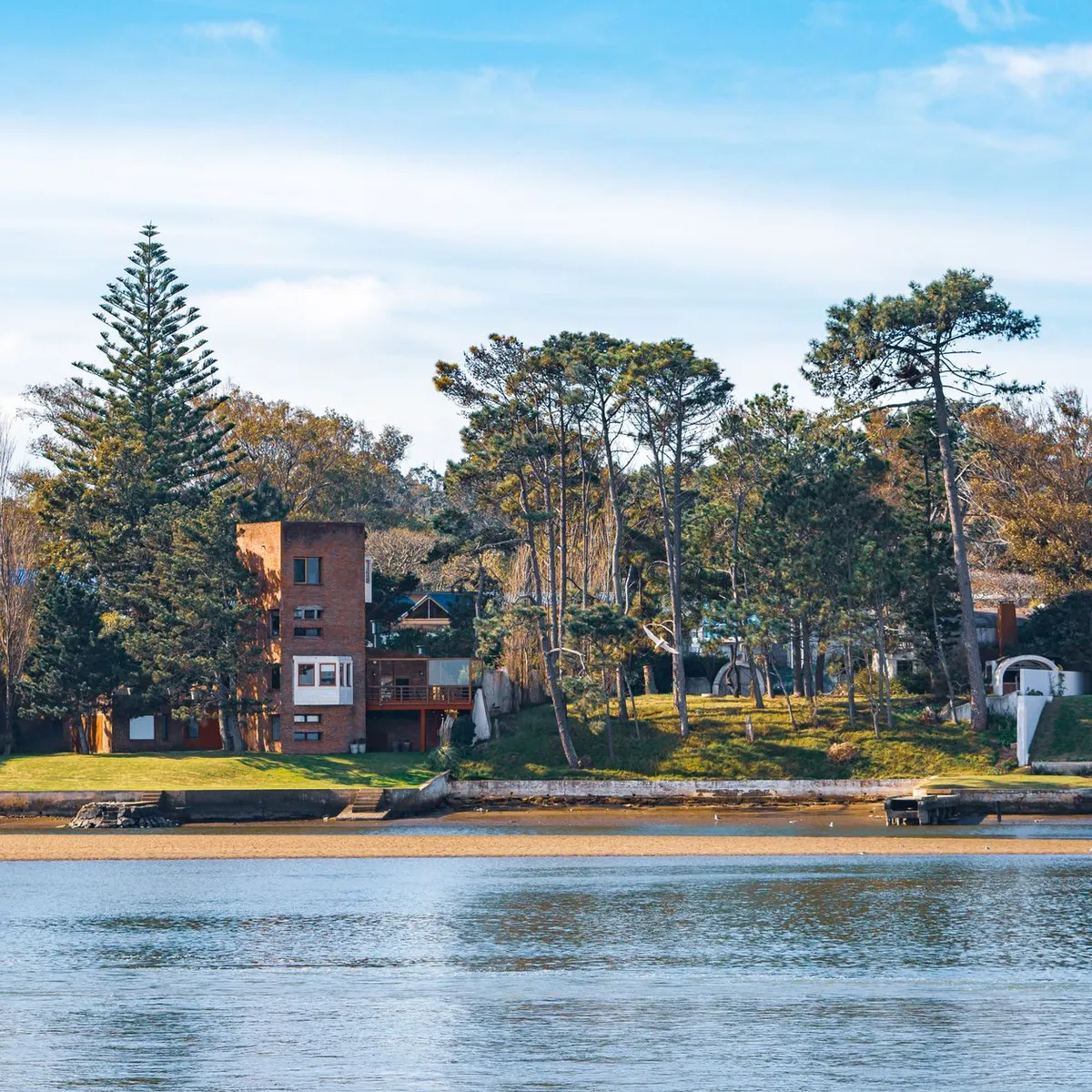
 Photo: Sergio Arteaga / Pexels
Corrientes
Corrientes accessibility for wheelchair users
Compare Corrientes by accessibility, transport, terrain, healthcare, cost, weather, laws, reviews, and community notes.
Corrientes accessibility scores
Compare Corrientes by accessibility, transport, terrain, healthcare, cost, weather, and laws. General stats use public data and models. Community rows reflect member reviews and votes.
General stats
National benchmarks and estimates — your experience in this city may differ.
Community
Starts from our estimate — thumbs up nudge toward Excellent, down toward Poor. Reviews use 1–5 stars.
These figures combine public statistics, models, and live weather where available. Every city is different — treat this as a guide, and share what you know in the Reviews & Corrections tab.
Profile last updated 7/1/2026.
Corrientes wheelchair accessibility guide
Research Corrientes for wheelchair users and caregivers: getting around, terrain, healthcare, costs, climate, accessible things to do, and practical caveats before booking.
Last updated 7/1/2026At a glance
Corrientes is a mid-sized provincial capital on the Paraná River, best for wheelchair users who want a lower-cost Argentine base with warm weather, river views, and a compact central core. RollVenture’s row scores it as mostly flat, with a 0.3% sampled max grade and a modest pavement profile: many streets are untagged in OSM, with asphalt and some unpaved surfaces mixed in. Treat that as a practical warning: the city is easier on slopes than on sidewalk consistency.
Costs are relatively approachable for the database, from ~$1,797/mo, including housing from ~$572/mo. Accessibility is not turn-key. Argentina has national disability rights, but the row flags moderate enforcement and limited accessible infrastructure, so hotel bathroom photos, step-free entry, and transport arrangements should be confirmed before booking.
Getting around
Local buses and taxis are the realistic options. For a wheelchair user, pre-arranged private transfers or a known accessible taxi are safer than assuming spontaneous ramped service. The riverfront and central blocks around the civic core are the most practical areas to base a short stay, because they reduce long cross-town trips.
Terrain & mobility
The terrain data is encouraging: mostly flat, low elevation range, and no major grades in the sampled grid. The bigger issues are surface changes, curb cuts, drainage edges after rain, and the difference between improved waterfront paths and older neighborhood sidewalks. Power-chair users should check charger access and avoid relying on unverified side streets late at night.
Healthcare & care
OSM leads include Hospital José Ramón Vidal and several neighborhood health centers. Use these as starting points, not guarantees of English-speaking staff, accessible exam rooms, or specialist availability. For ongoing care, bring Spanish medical notes, confirm appointment logistics, and keep extra medication because referrals can take time.
Costs & housing
The cost profile is a strength. Housing from ~$572/mo is promising, but accessible rentals need direct verification: elevator width, bathroom turning space, shower threshold, and backup power or water arrangements. A newer apartment near the center or riverfront is usually a safer bet than a charming older building.
Climate & comfort
Summers are hot and humid, with January around 27.7°C average in the DB climate row. Rain is meaningful in spring and summer, especially March-April and November-December, so drainage and covered entries matter. Winter is mild, with July around 16.1°C, making it one of the easier seasons for rolling outdoors.
Accessible things to do
Costanera de Corrientes— the riverfront is the best first choice for lower-grade rolling, views, and short outings; verify surface condition after storms.
General Manuel Belgrano Bridge viewpoints— use the bridge and Paraná skyline as a scenic drive or waterfront photo stop rather than assuming the bridge itself is comfortable to roll.
Corrientes Cathedral and civic center— central landmarks are useful for orientation; check entrances because older religious and civic buildings can have steps.
Teatro Oficial Juan de Vera— a major cultural venue to contact in advance for seating, step-free route, and restroom details.
Corrientes Carnival areas— the city is known for carnival; accessible viewing depends heavily on event layout, crowding, and reserved spaces.
Community & language
Spanish is essential for logistics, healthcare, and housing. Corrientes has a friendly regional identity, but disability-specific information is not always published online. A local contact, hotel staff, or clinic coordinator can make the difference between a smooth stay and repeated access surprises.
Would we recommend it?
Yes, cautiously, for budget-conscious travelers who can manage Spanish communication and verify housing/transport in advance. The flat terrain is a real plus; the infrastructure uncertainty keeps it from being an easy first international wheelchair destination.
These figures combine public statistics, models, and live weather where available. Every city is different — treat this as a guide, and share what you know in the Reviews & Corrections tab.
Profile last updated 7/1/2026.