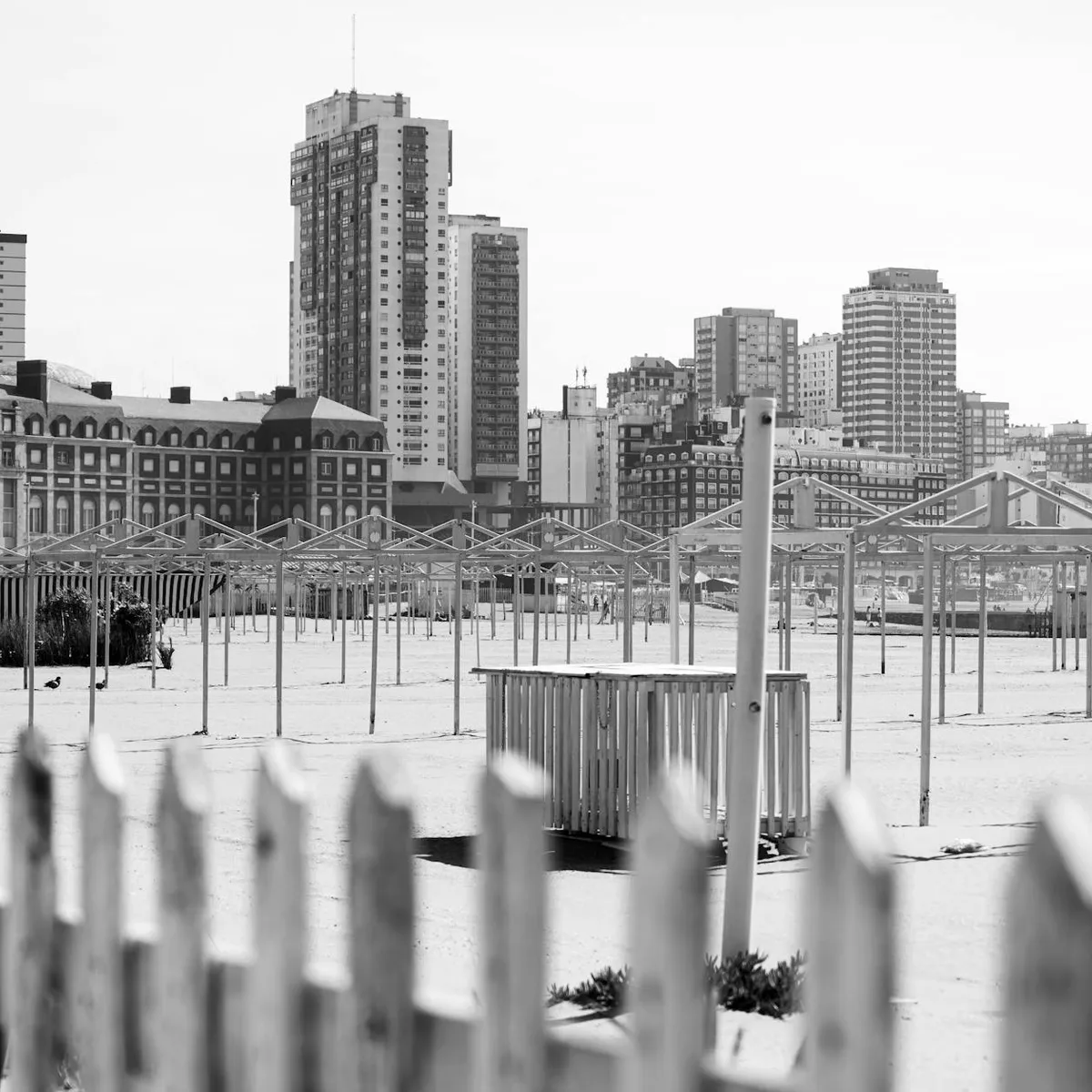
 Photo: Alex Dos Santos / Pexels
Mar del Plata
Mar del Plata accessibility for wheelchair users
Compare Mar del Plata by accessibility, transport, terrain, healthcare, cost, weather, laws, reviews, and community notes.
Mar del Plata accessibility scores
Compare Mar del Plata by accessibility, transport, terrain, healthcare, cost, weather, and laws. General stats use public data and models. Community rows reflect member reviews and votes.
General stats
National benchmarks and estimates — your experience in this city may differ.
Community
Starts from our estimate — thumbs up nudge toward Excellent, down toward Poor. Reviews use 1–5 stars.
These figures combine public statistics, models, and live weather where available. Every city is different — treat this as a guide, and share what you know in the Reviews & Corrections tab.
Profile last updated 6/30/2026.
Mar del Plata wheelchair accessibility guide
Research Mar del Plata for wheelchair users and caregivers: getting around, terrain, healthcare, costs, climate, accessible things to do, and practical caveats before booking.
Last updated 6/30/2026At a glance
Mar del Plata is Argentina's big Atlantic resort city: large enough for hospitals, buses, apartment choice, and year-round services, but still organized around beach promenades, shopping streets, and seasonal tourism. For a wheelchair user it looks like a cautious maybe, not an easy win. The RollVenture row scores it 59 overall, with estimated living costs from ~$1,827/mo and housing from ~$607/mo. The strongest point is terrain: the sampled city core is mostly flat, and the waterfront gives you long, legible routes. The weaker points are inconsistent curb cuts, older sidewalks, and the need to verify building entrances before booking anything.
Getting around
Plan around taxis/remises, short waterfront trips, and carefully chosen lodging near the central beach or Güemes/commercial areas. Public bus accessibility should be confirmed locally before relying on it; do not assume every route has a low-floor vehicle or reliable boarding space. The official tourism site highlights city mobility and accessibility information pages, which is useful, but visitors should still call hotels, venues, and transport providers directly.
Terrain & mobility
OpenTopoData sampling in the database labels the area mostly flat, with a 0.7% maximum sampled grade and a 57 m elevation range. That is unusually friendly for rolling compared with many Latin American coastal cities. Pavement is the bigger variable: OSM sampling shows many untagged surfaces, plus asphalt, unpaved, and concrete entries. Expect smoother sections along the seafront and more uneven crossings on side streets, especially during busy summer periods.
Healthcare & care
The local OSM healthcare profile lists nearby leads including Dar Salud - Central, Clínica del Niño y la Madre, Clínica 25 de Mayo, and other clinics within roughly two kilometres of the centre. Treat these as starting points, not guarantees: confirm emergency arrangements, step-free entrances, appointment language, and whether your insurance is accepted. Argentina has disability rights laws, but enforcement and practical accessibility can vary by venue.
Costs & housing
The database estimates monthly living cost from ~$1,827/mo, with housing from ~$607/mo, food around $360, transport around $189, medical around $128, and PT around $90. Seasonal demand matters here: summer rentals near the beach can jump sharply, and older apartment buildings may have narrow lifts or steps at the lobby. Ask for lift dimensions, bathroom photos, entrance photos, and backup power/water details.
Climate & comfort
The ocean moderates heat, but wind, rain, and crowded high season can make rolling tiring. Winter is quieter and cheaper, though some beach services and tourist staffing may be reduced. Salt air and sudden weather changes make covered routes and nearby backup cafés useful.
Accessible things to do
Central beaches and waterfront promenade— the official tourism site emphasizes 47 km of coastline and beach information; use the promenade as the easiest outdoor route, then verify beach-access equipment and seasonal assistance locally.
Museo MAR / contemporary culture stops— a strong indoor-weather option; confirm current ramp, lift, and accessible restroom details before visiting.
Torre Tanque area— a recognizable city landmark, but access may involve grade changes; treat it as a viewpoint/nearby-photo stop unless step-free entry is confirmed.
Güemes and central shopping streets— useful for cafés, errands, and people-watching; curb cuts and sidewalk crowding vary block by block.
Port and sea-lion area— possible with a vehicle drop-off and companion support; surfaces and crowds can be unpredictable.
Community & language
Spanish is essential for calls, care setup, and transport. Tourism staff may have some English, but healthcare and housing checks will go better in Spanish. The city is used to visitors, which helps, but accessibility-specific knowledge still needs direct confirmation.
Would we recommend it?
Yes, with planning. Mar del Plata is one of the more plausible Argentine coastal bases for a wheelchair user because it is flat, serviced, and visitor-oriented. The recommendation depends on choosing a verified step-free apartment close to the seafront and treating transport and venue accessibility as call-ahead items rather than assumptions.
These figures combine public statistics, models, and live weather where available. Every city is different — treat this as a guide, and share what you know in the Reviews & Corrections tab.
Profile last updated 6/30/2026.