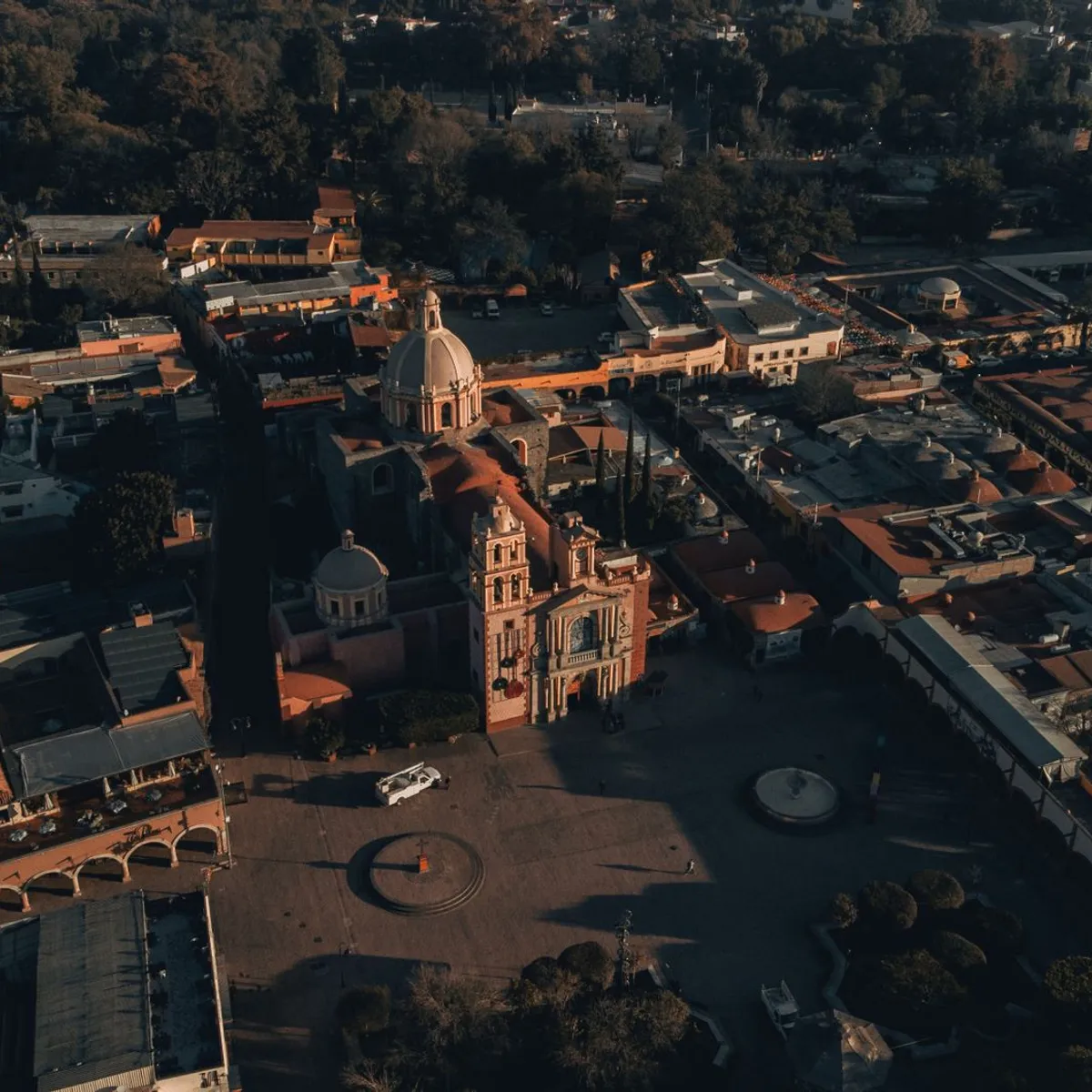
 Photo: Alessandro Avilés / Pexels
Coyoacán
Coyoacán accessibility for wheelchair users
Compare Coyoacán by accessibility, transport, terrain, healthcare, cost, weather, laws, reviews, and community notes.
Coyoacán accessibility scores
Compare Coyoacán by accessibility, transport, terrain, healthcare, cost, weather, and laws. General stats use public data and models. Community rows reflect member reviews and votes.
General stats
National benchmarks and estimates — your experience in this city may differ.
Community
Starts from our estimate — thumbs up nudge toward Excellent, down toward Poor. Reviews use 1–5 stars.
These figures combine public statistics, models, and live weather where available. Every city is different — treat this as a guide, and share what you know in the Reviews & Corrections tab.
Profile last updated 7/1/2026.
Coyoacán wheelchair accessibility guide
Research Coyoacán for wheelchair users and caregivers: getting around, terrain, healthcare, costs, climate, accessible things to do, and practical caveats before booking.
Last updated 7/1/2026At a glance
Coyoacán is one of Mexico City's most appealing boroughs for culture, parks, cafés, and museums, but it is not uniformly easy for wheelchair users. The DB profile is better than many Latin American city rows: high-confidence pavement data, relatively strong wheelchair transport score, and many paved/asphalt surfaces. The challenge is terrain variation, old village streets, crowded plazas, and museum buildings where step-free access may be partial rather than universal. It can be a rewarding base if you pick housing carefully and use ride-hail or accessible taxi planning for longer moves.
Getting around
Mexico City's public transport has some accessible stations and services, but elevator reliability and station choice matter. In Coyoacán, ride-hail or private taxis are often the simplest door-to-door option, especially for museum days or medical appointments. Ask drivers to stop on the same side of the street as the entrance when possible; cobbles, high kerbs, and crowded sidewalks around the historic centre can turn a short crossing into the hardest part of the trip.
Terrain & mobility
The terrain profile is mixed: the borough sits at high elevation, with sampled grades up to about 9.5% and only 68% flat samples. Some areas are comfortable, while others near older streets or southern slopes can be tiring. The pavement profile is strong by RollVenture standards, with high confidence and many asphalt, concrete, and paving-stone surfaces. Still, paving stones, tree roots, narrow sidewalks, and weekend crowds require route scouting.
Healthcare & care
OSM lists Unidad de Medicina Familiar 19 Coyoacán nearby, plus hospitals such as Hospital San Ángel Inn within a few kilometres. Mexico City has a broad private and public healthcare ecosystem, but access varies by building. Confirm elevator access, appointment language, insurance/payment rules, and whether a companion can assist during transfers. DB estimates are about $134/month medical and $444/month home aid; private bilingual care and accessible transport will cost more.
Costs & housing
Stored living cost is from ~$2,059/mo, with housing around $848/mo. Coyoacán has charming older homes, but charm often means steps, narrow bathrooms, and uneven entries. Prioritize newer apartment buildings, ground-floor units, or hotels that can provide exact lift dimensions, doorway widths, shower photos, and a step-free route from street to room.
Climate & comfort
Mexico City's climate is generally mild, but altitude, afternoon rain, and sun exposure matter. Rain can make paving stones slick, while altitude can increase fatigue for some travellers. Build in rest time and choose shaded routes through parks when possible.
Accessible things to do
Museo Frida Kahlo / Casa Azul— the major Coyoacán museum; book ahead and verify current wheelchair route because historic-home access can be partial.
Museo Anahuacalli— Diego Rivera's volcanic-stone museum; confirm elevator/ramp availability and which galleries are step-free before visiting.
Cineteca Nacional— a modern cinema complex in the wider Coyoacán area; likely a better-planned access environment, but confirm accessible seating and lifts.
Museo Nacional de Culturas Populares— a central cultural museum; check ramped entry, courtyard surfaces, and exhibition-room access.
Viveros de Coyoacán— a large urban nursery/park; useful for a flatter outdoor roll, but path surfaces and accessible toilets should be checked.
Community & language
Spanish is essential for housing, clinics, and access calls. English is more common in major museums and private medical settings, but do not rely on it for day-to-day logistics.
Would we recommend it?
Yes, with planning. Coyoacán offers the best visitor payoff in this batch, but wheelchair users should pre-book museums, scout routes, and avoid assuming every historic street or building is step-free.
These figures combine public statistics, models, and live weather where available. Every city is different — treat this as a guide, and share what you know in the Reviews & Corrections tab.
Profile last updated 7/1/2026.
Reviews & corrections
Share your experience or suggest a data correction. Both appear publicly; admin updates official city scores and costs separately.
Log in to write a review or suggest a correction.
No reviews or corrections yet.