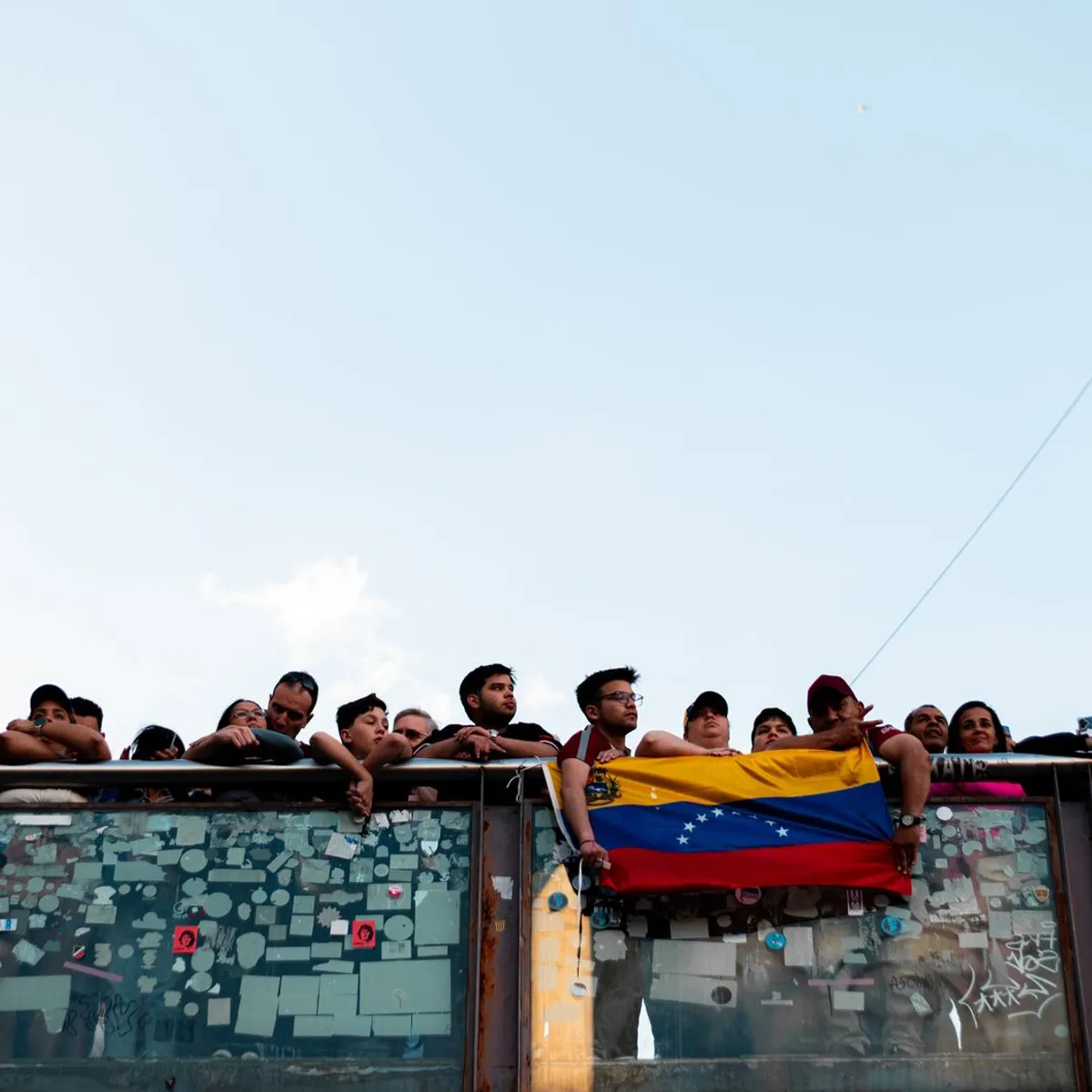
 Photo: Alex Dos Santos / Pexels
Cúa
Cúa accessibility for wheelchair users
Compare Cúa by accessibility, transport, terrain, healthcare, cost, weather, laws, reviews, and community notes.
Cúa accessibility scores
Compare Cúa by accessibility, transport, terrain, healthcare, cost, weather, and laws. General stats use public data and models. Community rows reflect member reviews and votes.
General stats
National benchmarks and estimates — your experience in this city may differ.
Community
Starts from our estimate — thumbs up nudge toward Excellent, down toward Poor. Reviews use 1–5 stars.
These figures combine public statistics, models, and live weather where available. Every city is different — treat this as a guide, and share what you know in the Reviews & Corrections tab.
Profile last updated 7/1/2026.
Cúa wheelchair accessibility guide
Research Cúa for wheelchair users and caregivers: getting around, terrain, healthcare, costs, climate, accessible things to do, and practical caveats before booking.
Last updated 7/1/2026At a glance
Cúa is a Valles del Tuy city in Miranda state, south of Caracas. It may look moderately affordable in the DB, with monthly living costs from ~$2,676/mo and housing from ~$1,378/mo, but wheelchair users should treat it as a high-planning destination because terrain, transport, safety, and infrastructure conditions can vary sharply by neighborhood. It is more plausible as a local-family or Caracas-region base than as a leisure destination for first-time wheelchair travelers.
Getting around
The Tuy Valley rail connection can be useful in the region, but do not assume step-free station access, working lifts, or easy boarding without current local confirmation. For most daily needs, plan on private car transport with someone who knows the route and can avoid steep streets or broken pavements. Trips into Caracas add traffic, security, and transfer complexity, so keep medical or consular errands grouped and well timed.
Terrain & mobility
The DB terrain profile flags Cúa as very hilly: OpenTopoData sampling shows max grade around 11%, average elevation about 415 m, and a large elevation range. OSM pavement data is low-confidence, with paved, asphalt, and unpaved surfaces all present. That combination means the accessible route can change block by block. Manual-chair users should expect pushing assistance, and power-chair users should verify slopes, battery range, and safe storage before committing to a neighborhood.
Healthcare & care
The OSM healthcare leads include Hospital Dr. Osío around 1.1 km from the centre and Dispensario Local around 2.4 km away. They are leads only: verify opening hours, services, supply availability, and physical access. For more complex care, Caracas may be necessary, but travel time and reliability should be planned in advance. Bring prescriptions, spare parts, pressure-care supplies, and a Spanish summary of disability needs.
Costs & housing
Cúa is not as cheap in this dataset as some regional alternatives, and accessible rentals may require compromises. Budget from ~$2,676/mo overall, with housing from ~$1,378/mo and home-aid support from ~$484/mo. Prioritize a flat approach, secure parking/loading space, backup water/power, and a bathroom that can be adapted. Ask for a live video walkthrough; photos can hide stairs, narrow gates, and steep street approaches.
Climate & comfort
The climate is warm, with seasonal rains that can worsen steep routes, drainage gaps, and road edges. Heat and slope combine quickly into fatigue. Schedule outdoor tasks early, keep backup transport contact numbers, and avoid being stranded after dark on unverified streets.
Accessible things to do
Plaza Bolívar de Cúa— The central square is the most practical low-transfer orientation point; verify curb cuts, paving, and nearby drop-off before spending time there.
Santuario / Iglesia Nuestra Señora del Rosario area— A central religious landmark area that may be viewable with a short, scouted route; check steps and crowding before entering.
Tuy Valley rail-station area— Useful for understanding regional mobility, but treat station access as something to inspect locally rather than assume.
Vehicle-based Mirandino valley viewpoints— Scenic valley drives can be lower-risk than long street rolls if the driver can stop safely at paved viewpoints.
Community & language
Spanish is essential. Local assistance can be generous, but you should have a trusted contact rather than relying on ad hoc help with transfers or security decisions. Keep destination names written down and use phone calls before visiting clinics or public buildings.
Would we recommend it?
Only for travelers with strong local support. Cúa's hilly terrain and uncertain transport make it a poor independent wheelchair destination. It can work for family stays or regional obligations if housing, safe transport, and medical backup are verified first.
These figures combine public statistics, models, and live weather where available. Every city is different — treat this as a guide, and share what you know in the Reviews & Corrections tab.
Profile last updated 7/1/2026.