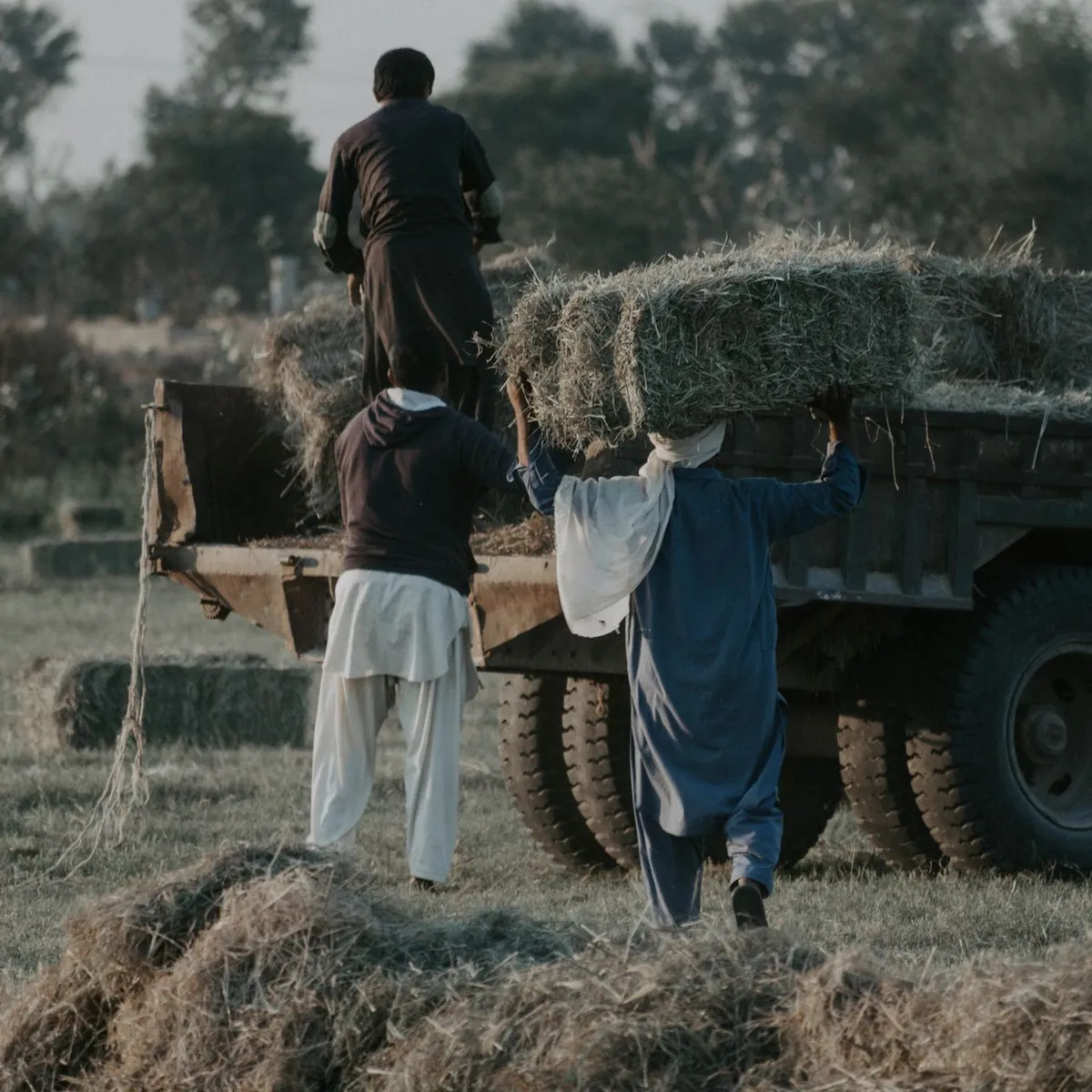
 Photo: M1DDL3 M7N / Pexels
Dadu
Dadu accessibility for wheelchair users
Compare Dadu by accessibility, transport, terrain, healthcare, cost, weather, laws, reviews, and community notes.
Dadu accessibility scores
Compare Dadu by accessibility, transport, terrain, healthcare, cost, weather, and laws. General stats use public data and models. Community rows reflect member reviews and votes.
General stats
National benchmarks and estimates — your experience in this city may differ.
Community
Starts from our estimate — thumbs up nudge toward Excellent, down toward Poor. Reviews use 1–5 stars.
These figures combine public statistics, models, and live weather where available. Every city is different — treat this as a guide, and share what you know in the Reviews & Corrections tab.
Profile last updated 7/1/2026.
Dadu wheelchair accessibility guide
Research Dadu for wheelchair users and caregivers: getting around, terrain, healthcare, costs, climate, accessible things to do, and practical caveats before booking.
Last updated 7/1/2026At a glance
Dadu is a district capital in Sindh, Pakistan, on the western side of the Indus-region travel corridor. It is not a conventional accessible tourism city, but it is a real regional base where terrain is much easier than in Khuzdar. The DB terrain profile is mostly flat, while infrastructure and wheelchair transport remain weak. Use the RollVenture cost estimate of from ~$1,722/mo, with added budget for a driver, hotel verification, and backup healthcare plans.
Getting around
Expect private vehicles, rickshaws, or arranged drivers rather than step-free public transport. The flatness helps with short distances, but road shoulders, drainage channels, unmarked curbs, traffic, and dust can make independent rolling difficult. Ask a local contact to verify the exact route from lodging to clinic, market, and transport stands.
Terrain & mobility
Dadu's terrain data is favorable: mostly flat, low elevation, and a small elevation range. The caution is surface data: pavement confidence is low and most ways are untagged, with little reliable information about smooth sidewalks. A wheelchair user should plan for ramps that are too steep, shop thresholds, uneven road edges, and seasonal disruption after rain or heat damage.
Healthcare & care
The OSM healthcare lead in the DB is Basic Health Unit Aminani, about 10 km from the centre. That is not enough for complex needs. Before travel, identify the nearest suitable hospital, pharmacy, and emergency transport option, and decide whether Hyderabad or Karachi would be the real escalation point for serious care.
Costs & housing
At from ~$1,722/mo, Dadu may be affordable, but accessible lodging is the key constraint. Request ground-floor rooms, bathroom measurements, no-step entrance confirmation, generator details, and photos of the route from street to room.
Climate & comfort
Sindh heat can be severe. Plan around early mornings and evenings, air-conditioning reliability, hydration, pressure relief, and dust protection for equipment. Flat terrain does not offset heat risk.
Accessible things to do
Central Dadu bazaar streets— A practical cultural anchor, but go with a helper and expect crowds, uneven edges, and limited curb cuts.
Painted mosque / local mosque exteriors— The city page shows mosque imagery; verify step-free entry before any interior visit.
Indus-side regional route— Consider a vehicle-supported scenic outing rather than a roll; confirm road conditions and shaded stops.
Tea shops and neighborhood errands— Dadu is locally known for tea culture; choose venues by direct doorway and seating checks, not reputation.
Community & language
Sindhi and Urdu are the main practical languages. A short Urdu access checklist with photos can help drivers and hotel staff understand what is needed.
Would we recommend it?
Maybe for practical regional stays, not as an easy leisure destination. Dadu's flatness is helpful, but heat, sparse accessibility data, and weak healthcare certainty require conservative planning.
These figures combine public statistics, models, and live weather where available. Every city is different — treat this as a guide, and share what you know in the Reviews & Corrections tab.
Profile last updated 7/1/2026.