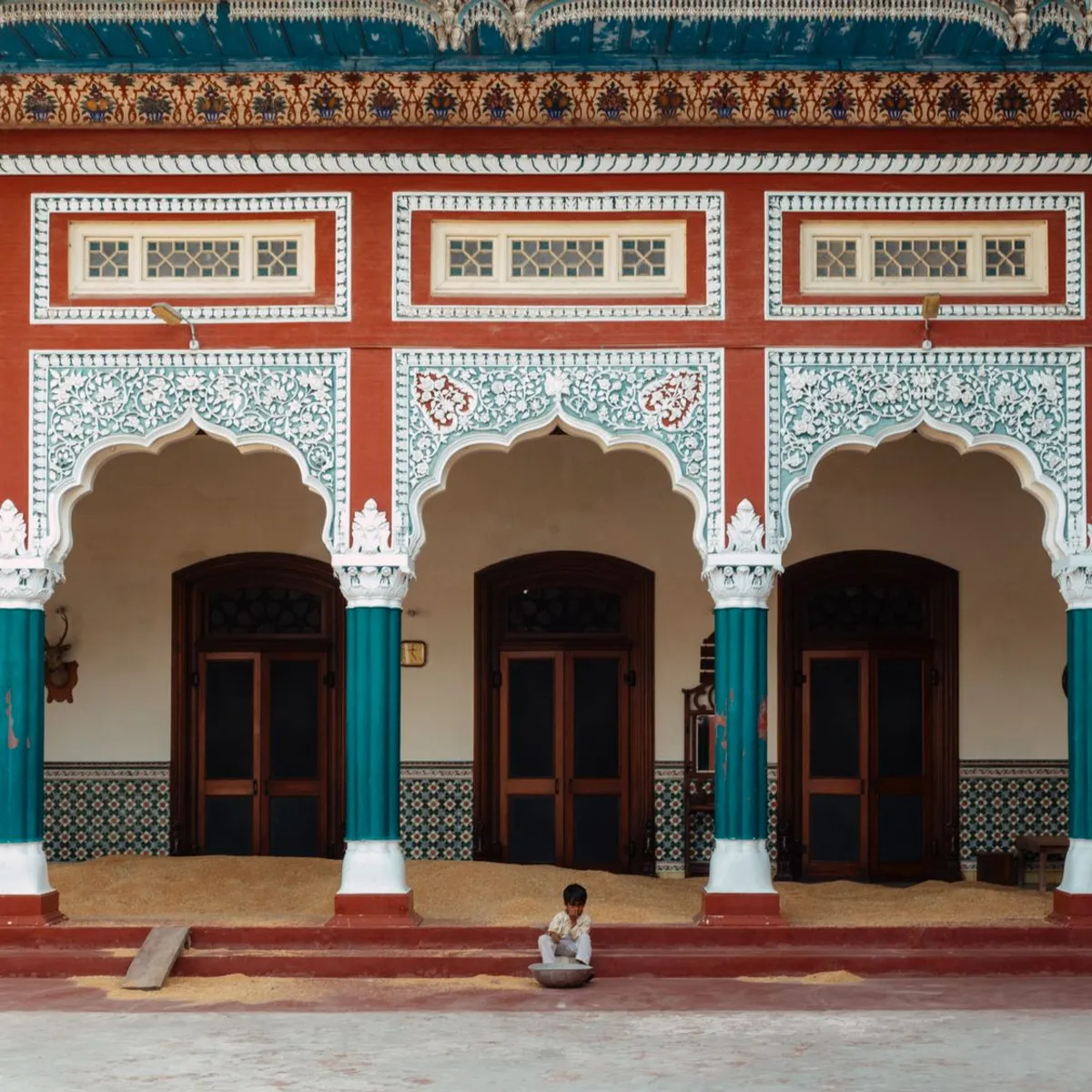
 Photo: Aa Dil / Pexels
Larkana
Larkana accessibility for wheelchair users
Compare Larkana by accessibility, transport, terrain, healthcare, cost, weather, laws, reviews, and community notes.
Larkana accessibility scores
Compare Larkana by accessibility, transport, terrain, healthcare, cost, weather, and laws. General stats use public data and models. Community rows reflect member reviews and votes.
General stats
National benchmarks and estimates — your experience in this city may differ.
Community
Starts from our estimate — thumbs up nudge toward Excellent, down toward Poor. Reviews use 1–5 stars.
These figures combine public statistics, models, and live weather where available. Every city is different — treat this as a guide, and share what you know in the Reviews & Corrections tab.
Profile last updated 7/2/2026.
Larkana wheelchair accessibility guide
Research Larkana for wheelchair users and caregivers: getting around, terrain, healthcare, costs, climate, accessible things to do, and practical caveats before booking.
Last updated 7/2/2026At a glance
Larkana is a large Sindh city near the Indus Valley site of Mohenjo-daro, so it works best for travelers who want archaeology and a practical urban base rather than polished accessible tourism. RollVenture's row is a low-accessibility, low-infrastructure profile: costs are estimated from ~$1,798/mo, terrain is mostly flat, but pavement data is low-confidence and many streets are effectively unverified. Treat the city as possible only with local help, flexible transport, and hotel checks by photo or video before arrival.
Getting around
Plan around private car, hired driver, or a trusted local contact. The Larkana railway/bus environment can be useful for regional movement, but step-free boarding, station toilets, and vehicle tie-downs should not be assumed. For Mohenjo-daro, arrange a vehicle that can wait, because accessible taxis and return rides are not dependable. Keep daily routes short and avoid relying on spontaneous curbside transfers.
Terrain & mobility
The database terrain profile is favorable on paper: mostly flat, about 100% flat samples, and only a tiny sampled max grade. The harder issue is surface quality. OSM pavement sampling has very few tagged surfaces, so sidewalks, ramps, drains, construction, and curb cuts need street-level verification. A power chair user should expect dust, broken edges, and traffic mixing with pedestrians; a manual-chair user will likely need pushing support in markets and around heritage areas.
Healthcare & care
OpenStreetMap leads near the center include Rahila Research & Reference Lab Larkana, Farooq Medical & Dental Centre Larkana, Sheikh Zaed Children Hospital, Sheikh Zaed Women Hospital, and the Larkana Institute of Nuclear Medicine and Radiotherapy. These are leads, not accessibility guarantees. Confirm entrance ramps, lifts, imaging access, payment methods, and whether English-speaking staff are available. Budget lines show medical from ~$109/mo, PT from ~$76/mo, and home aid from ~$275/mo, but real continuity of care should be arranged before travel.
Costs & housing
The cost profile is attractive by international standards: housing from ~$953/mo and local transport from ~$132/mo. The accessible-housing risk is high, though. Ask for a no-step route from street to room, bathroom doorway width, shower threshold, generator/backup power, and whether the building has a working lift if it is above ground level. Do not rely on listing tags alone.
Climate & comfort
Larkana is hot and dry for much of the year, with extreme heat risk around late spring and summer. Heat management matters: choose air-conditioned lodging, avoid long midday heritage visits, carry water, and keep battery range conservative because shade and smooth rolling surfaces may be limited.
Accessible things to do
Mohenjo-daro— a major Indus Valley archaeological site in Larkana District and a UNESCO-listed cultural site; expect uneven ancient surfaces and arrange vehicle support.
Sambara Inn / central Larkana area— useful as a practical urban landmark for food, errands, and short orientation, but verify step-free entrances.
Larkana bazaars— good for low-cost local life if you have a helper; go at quieter hours because curb cuts and surface continuity are uncertain.
Larkana railway/river approach areas— possible short drives for orientation rather than independent rolling; confirm safe drop-off points.
Community & language
Sindhi and Urdu are the main working languages; English is more likely in education, hotels, or clinics than in street transport. Disability protections exist nationally but enforcement is inconsistent, so practical access depends on local relationships and advance calls.
Would we recommend it?
Only for experienced travelers with strong local support. Larkana has flat terrain and important heritage nearby, but transport, pavements, and verified accessible accommodation are the limiting factors.
These figures combine public statistics, models, and live weather where available. Every city is different — treat this as a guide, and share what you know in the Reviews & Corrections tab.
Profile last updated 7/2/2026.