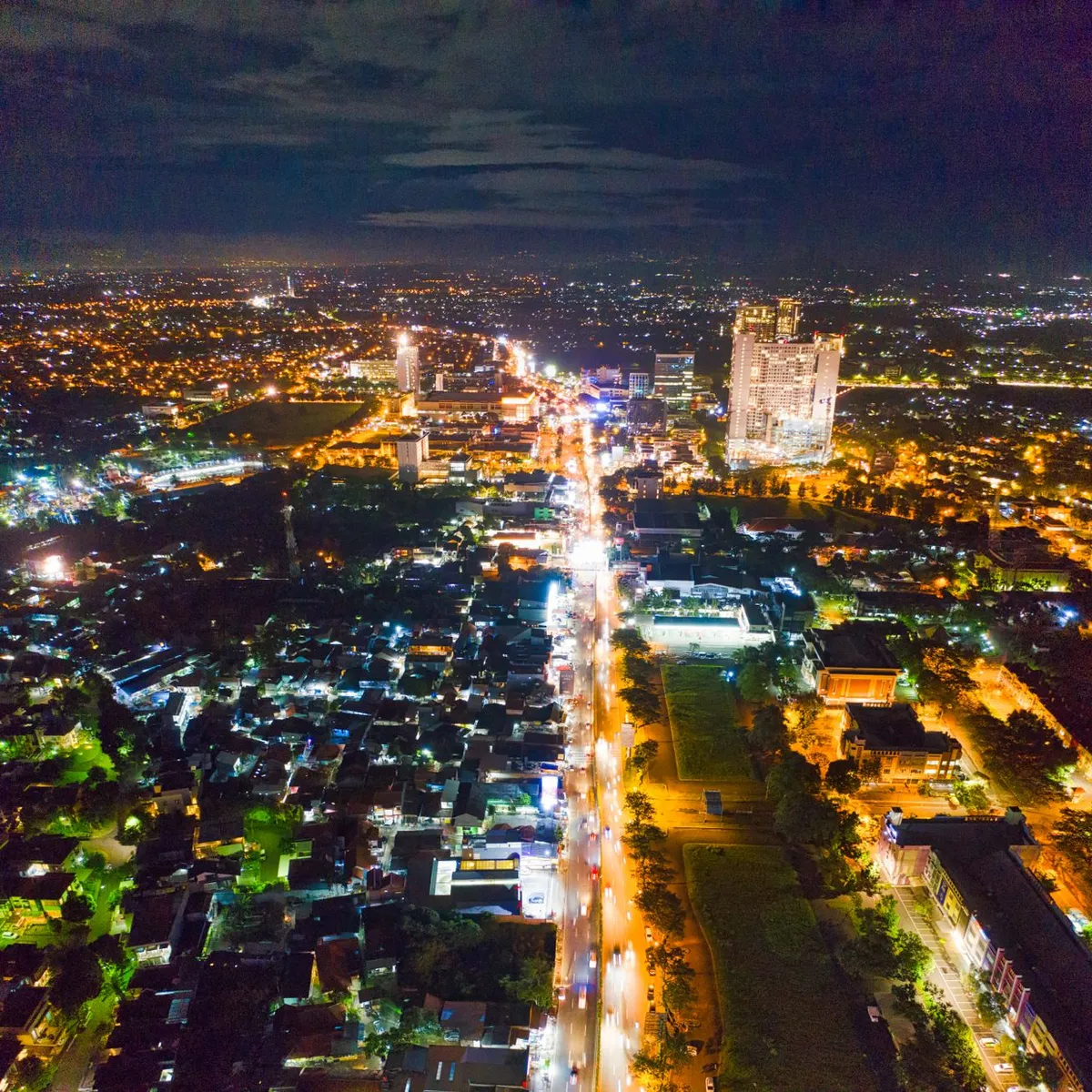
 Photo: Tom Fisk / Pexels
Depok
Depok accessibility for wheelchair users
Compare Depok by accessibility, transport, terrain, healthcare, cost, weather, laws, reviews, and community notes.
Depok accessibility scores
Compare Depok by accessibility, transport, terrain, healthcare, cost, weather, and laws. General stats use public data and models. Community rows reflect member reviews and votes.
General stats
National benchmarks and estimates — your experience in this city may differ.
Community
Starts from our estimate — thumbs up nudge toward Excellent, down toward Poor. Reviews use 1–5 stars.
These figures combine public statistics, models, and live weather where available. Every city is different — treat this as a guide, and share what you know in the Reviews & Corrections tab.
Profile last updated 7/1/2026.
Depok wheelchair accessibility guide
Research Depok for wheelchair users and caregivers: getting around, terrain, healthcare, costs, climate, accessible things to do, and practical caveats before booking.
Last updated 7/1/2026At a glance
Depok is a large, Jakarta-adjacent Indonesian city that works best for wheelchair users who already have support in Greater Jakarta and want lower day-to-day costs than central Jakarta, not a polished accessible-holiday base. The live city profile estimates monthly living cost from ~$1,812/mo, with housing from ~$696/mo, transport from ~$171/mo, medical from ~$127/mo, and home aid from ~$401/mo. The terrain model is fairly kind: gently rolling, about 100% flat samples, and a max sampled grade around 1.2%. The harder part is infrastructure: sidewalks, curb cuts, drainage edges, traffic crossings, and station approaches can vary block by block.
Getting around
Treat Depok as a commuter city. KRL Commuter Line stations connect toward Jakarta and Bogor, but step-free continuity should be checked station by station before committing to housing. App taxis are usually the most practical fallback for wheelchair users, especially for cross-city trips or wet-season travel. If you need a wheelchair-accessible vehicle, arrange a private driver or adapted transport provider in advance rather than assuming street availability.
Terrain & mobility
Most central routes are not steep, which helps transfers and short rolls. The pavement profile is medium-confidence, with asphalt, concrete, paving stones, and many untagged segments; that means the grade is less of a problem than surface breaks, driveway lips, open drains, parked motorcycles, and missing curb ramps. Pick housing close to a specific station, clinic, and grocery route, then test that route in person.
Healthcare & care
OpenStreetMap healthcare leads include Klinik Bhakti Asih, Klinik Dokter Wida, Puskesmas Parung, Klinik Suzie BAS, and Rumah Sakit Ibu dan Anak Buah Hati Pamulang. Treat these as leads, not guarantees of wheelchair access or specialist depth. For complex care, many residents look toward Jakarta-area hospitals; confirm travel time, lift access, appointment language, and emergency options before relying on a neighborhood clinic.
Costs & housing
Costs are attractive for the Jakarta metro. The trade-off is that accessible housing supply is not transparent online. Prioritize newer apartment towers with elevators, generator backup, roll-in bathroom potential, and management willing to confirm door widths and ramped entrances on video. Ground-floor houses can still have drainage steps or narrow bathrooms.
Climate & comfort
Depok is hot, humid, and rainy. Flood-prone streets, slick ramps, and uncovered sidewalks can turn an otherwise short route into a transfer problem. Air conditioning, shaded pickup points, and flexible travel windows matter.
Accessible things to do
University of Indonesia campus area— broad roads, lakeside edges, and newer buildings make this a plausible low-gradient outing, but verify building access.
Margo City area— a practical mall-based anchor for food, toilets, cooling, and taxi pickup; confirm current lift and restroom conditions.
Dian Al-Mahri Mosque— a major Depok landmark; access should be checked directly before visiting because religious sites often mix open plazas with steps.
Depok city parks and civic spaces— use the city government tourism/civic information as a starting point, then verify paved paths and toilets locally.
Community & language
Bahasa Indonesia is essential for daily logistics. English is more common around universities, malls, and some private healthcare settings, but not enough for care coordination without local help.
Would we recommend it?
Yes, but only for budget-conscious users with Jakarta support and a verified apartment-to-transit or apartment-to-driver routine. The city is relatively flat and affordable, yet not reliably barrier-free enough for a first independent wheelchair move.
These figures combine public statistics, models, and live weather where available. Every city is different — treat this as a guide, and share what you know in the Reviews & Corrections tab.
Profile last updated 7/1/2026.
Reviews & corrections
Share your experience or suggest a data correction. Both appear publicly; admin updates official city scores and costs separately.
Log in to write a review or suggest a correction.
No reviews or corrections yet.