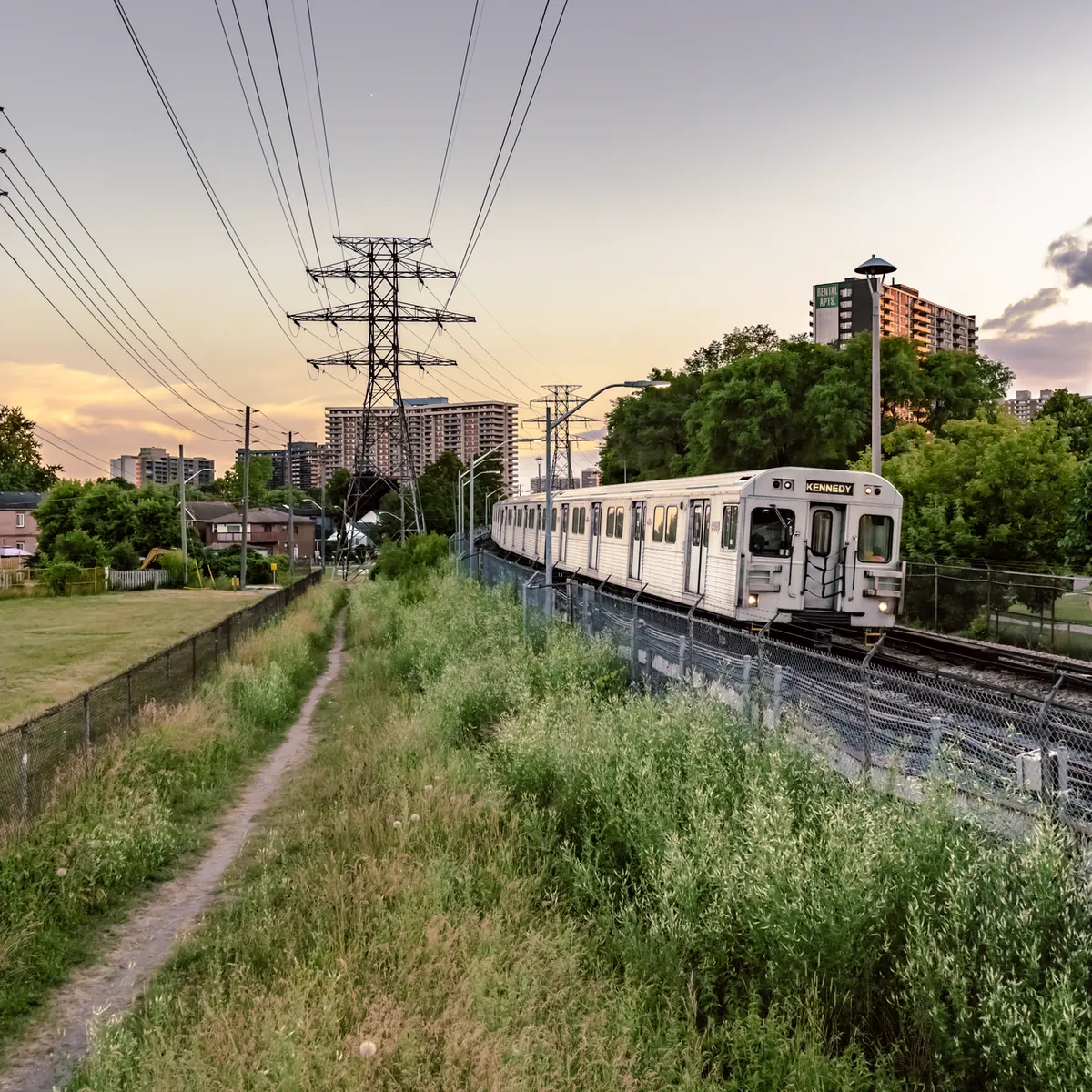
 Photo: Ahnaf Piash / Pexels
Etobicoke
Etobicoke accessibility for wheelchair users
Compare Etobicoke by accessibility, transport, terrain, healthcare, cost, weather, laws, reviews, and community notes.
Etobicoke accessibility scores
Compare Etobicoke by accessibility, transport, terrain, healthcare, cost, weather, and laws. General stats use public data and models. Community rows reflect member reviews and votes.
General stats
National benchmarks and estimates — your experience in this city may differ.
Community
Starts from our estimate — thumbs up nudge toward Excellent, down toward Poor. Reviews use 1–5 stars.
These figures combine public statistics, models, and live weather where available. Every city is different — treat this as a guide, and share what you know in the Reviews & Corrections tab.
Profile last updated 6/30/2026.
Etobicoke wheelchair accessibility guide
Research Etobicoke for wheelchair users and caregivers: getting around, terrain, healthcare, costs, climate, accessible things to do, and practical caveats before booking.
Last updated 6/30/2026At a glance
Etobicoke is a western Toronto district that can be practical for disabled residents or longer stays, especially if you need access to the airport, suburban housing, parks, and Toronto services without being downtown every day. The DB profile is solid: high pavement confidence, gently rolling terrain, good safety, and from ~$3,851/mo estimated living cost. The trade-off is that access quality varies sharply by neighborhood and transit corridor.
Getting around
TTC accessibility information was reachable during this run, and Toronto’s system includes accessible subway stations, buses, streetcars, and Wheel-Trans eligibility pathways. Etobicoke itself is spread out; some areas work well by bus or subway, while others are car-dependent. Check the exact nearest stop, whether elevators are in service, and whether a trip crosses awkward arterial roads. GO Transit and airport links may be useful depending on the neighborhood.
Terrain & mobility
The DB terrain sample is favorable, with gently rolling terrain, max grade around 1.3%, and a high-confidence pavement profile showing asphalt and concrete among dominant surfaces. That does not mean every sidewalk is easy: older residential streets, winter snowbanks, driveway slopes, and construction detours can still block routes. Lakefront paths can be pleasant but windy and exposed.
Healthcare & care
The stored OSM healthcare leads are mostly clinics in the broader west-Toronto/Mississauga area, so use them only as leads. For serious care, Toronto and Mississauga have larger hospital networks, but travel time matters. Confirm clinic entry, accessible exam rooms, and whether Wheel-Trans, TTC, taxi, or family transport is realistic for recurring appointments.
Costs & housing
The DB estimate is from ~$3,851/mo, with housing around $1,952. That may understate accessible-housing pressure in the Toronto market. Ask for elevator status, entrance grade, snow-clearing responsibility, bathroom photos, balcony thresholds, and proximity to a usable bus stop or subway station. A cheaper unit far from transit can become expensive if it forces constant rideshare use.
Climate & comfort
Etobicoke has cold winters, freeze-thaw slush, and humid summers. Winter is the hardest season for wheelchair users because curb cuts and bus stops can be buried or narrowed. Spring and fall are more comfortable; summer lakefront trips need shade and hydration planning.
Accessible things to do
TTC accessible network / Kipling-Islington corridor— not a single attraction, but the key mobility spine; verify elevator status and route disruptions before travel.
Humber Bay Park and waterfront trails— useful for step-free outdoor time where surfaces are paved, but confirm washrooms, parking, wind, and construction before relying on a long roll.
Centennial Park and Conservatory area— a practical west-end recreation anchor; check seasonal hours, accessible parking, and indoor route availability.
Montgomery’s Inn— a local museum site with heritage-building constraints; contact ahead for current entrance, washroom, and program access.
Sherway Gardens— a useful indoor shopping and food stop with accessible parking and mall-style circulation; verify transit/drop-off details if not driving.
Community & language
English is straightforward, and Toronto has a mature disability-services ecosystem. The challenge is coordination: transit, housing, and care providers operate separately, so verify each link rather than trusting a general “Toronto is accessible” assumption.
Would we recommend it?
Yes for practical Toronto-area living, airport access, and suburban services. For short tourism stays, downtown may be easier; for longer stays with the right housing, Etobicoke can be a balanced choice.
These figures combine public statistics, models, and live weather where available. Every city is different — treat this as a guide, and share what you know in the Reviews & Corrections tab.
Profile last updated 6/30/2026.
Reviews & corrections
Share your experience or suggest a data correction. Both appear publicly; admin updates official city scores and costs separately.
Log in to write a review or suggest a correction.
No reviews or corrections yet.