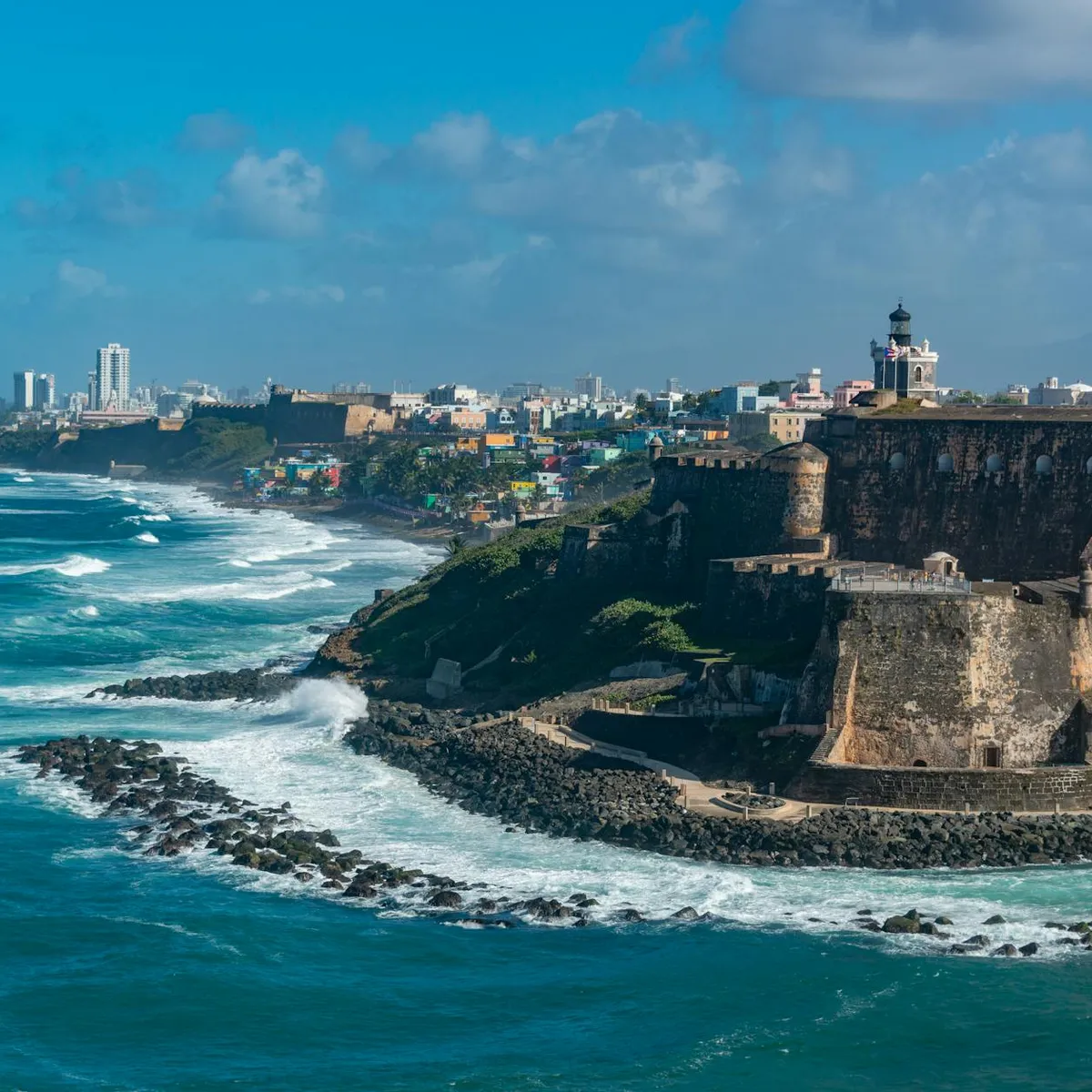
 Photo: Diego F. Parra / Pexels
Fort-de-France
Fort-de-France accessibility for wheelchair users
Compare Fort-de-France by accessibility, transport, terrain, healthcare, cost, weather, laws, reviews, and community notes.
Fort-de-France accessibility scores
Compare Fort-de-France by accessibility, transport, terrain, healthcare, cost, weather, and laws. General stats use public data and models. Community rows reflect member reviews and votes.
General stats
National benchmarks and estimates — your experience in this city may differ.
Community
Starts from our estimate — thumbs up nudge toward Excellent, down toward Poor. Reviews use 1–5 stars.
These figures combine public statistics, models, and live weather where available. Every city is different — treat this as a guide, and share what you know in the Reviews & Corrections tab.
Profile last updated 6/30/2026.
Fort-de-France wheelchair accessibility guide
Research Fort-de-France for wheelchair users and caregivers: getting around, terrain, healthcare, costs, climate, accessible things to do, and practical caveats before booking.
Last updated 6/30/2026At a glance
Fort-de-France is Martinique’s capital and the strongest accessibility candidate in this batch, but it is still a hilly Caribbean city rather than a fully barrier-free base. RollVenture scores it accessibility 40/100, infrastructure 47/100, and wheelchair transport 43/100. Monthly living cost is modeled from ~$3,102/mo, with housing from ~$1,574/mo.
Getting around
Use taxis, rental car, or pre-arranged accessible transfer when possible. Public transport may help for some trips, but do not build an access plan around spontaneous step-free service. The ferry and waterfront areas can be useful if operators confirm boarding conditions. Ask hotels about curb-free drop-off and whether staff can help with luggage and ramps.
Terrain & mobility
The terrain profile is very hilly, with a sampled maximum grade around 12.2%, though the downtown/waterfront grid has more manageable sections. Pavement data is high-confidence and comparatively good, with asphalt, concrete, and paving stones common. The practical issue is route selection: a flat-looking map can hide steep cross streets and broken curb cuts.
Healthcare & care
OpenStreetMap lists Clinique Saint-Paul, Hôpital Albert Clarac, Clinique Sainte-Marie, Centre Médical Bishop, and labs within a few kilometres. Martinique also has a deeper French-system healthcare context than many Caribbean islands. Still, verify clinic access, appointment language, insurance/payment, and emergency transport before arrival.
Costs & housing
Estimated monthly living cost is from ~$3,102/mo, with housing from ~$1,574/mo, transport from ~$228/mo, medical from ~$167/mo, and home aid from ~$580/mo. Prioritize newer buildings with elevators, generator plans, air-conditioning, and parking. In older hillside housing, entrance stairs are common.
Climate & comfort
Expect tropical heat, humidity, heavy rain periods, and hurricane-season disruption risk. Covered routes, air-conditioning, and backup transport matter. Hills become harder in rain, and waterfront heat can be draining during midday. A good plan is to cluster downtown stops around the waterfront, then use vehicles for hillside errands; this reduces fatigue and avoids discovering a steep street only after committing to a route. For appointments or errands, build extra time for rain delays and one-way streets, and ask drivers to use the flattest curb-free drop-off rather than the closest map point.
Accessible things to do
La Savane waterfront park— a central open-space lead for short rolls; verify path surfaces and curb cuts after storms or events.
Schoelcher Library— an important historic landmark; confirm entrance and interior access before visiting.
Fort Saint-Louis exterior / waterfront views— best treated as a scenic exterior stop unless tour operators confirm accessible routing.
Saint-Louis Cathedral area— central landmark near other downtown stops; check curb transitions and doorway access.
Martinique tourism waterfront / ferry area— useful for orientation, food, and views if boarding and ramps are confirmed.
Community & language
French is the official language; Martinican Creole is widely used. English may be present in tourism but should not be assumed for medical or housing negotiations.
Would we recommend it?
Yes, with planning. Fort-de-France has better services and pavements than many regional cities, but hills and transport uncertainty mean wheelchair users should choose housing carefully and verify every route.
These figures combine public statistics, models, and live weather where available. Every city is different — treat this as a guide, and share what you know in the Reviews & Corrections tab.
Profile last updated 6/30/2026.