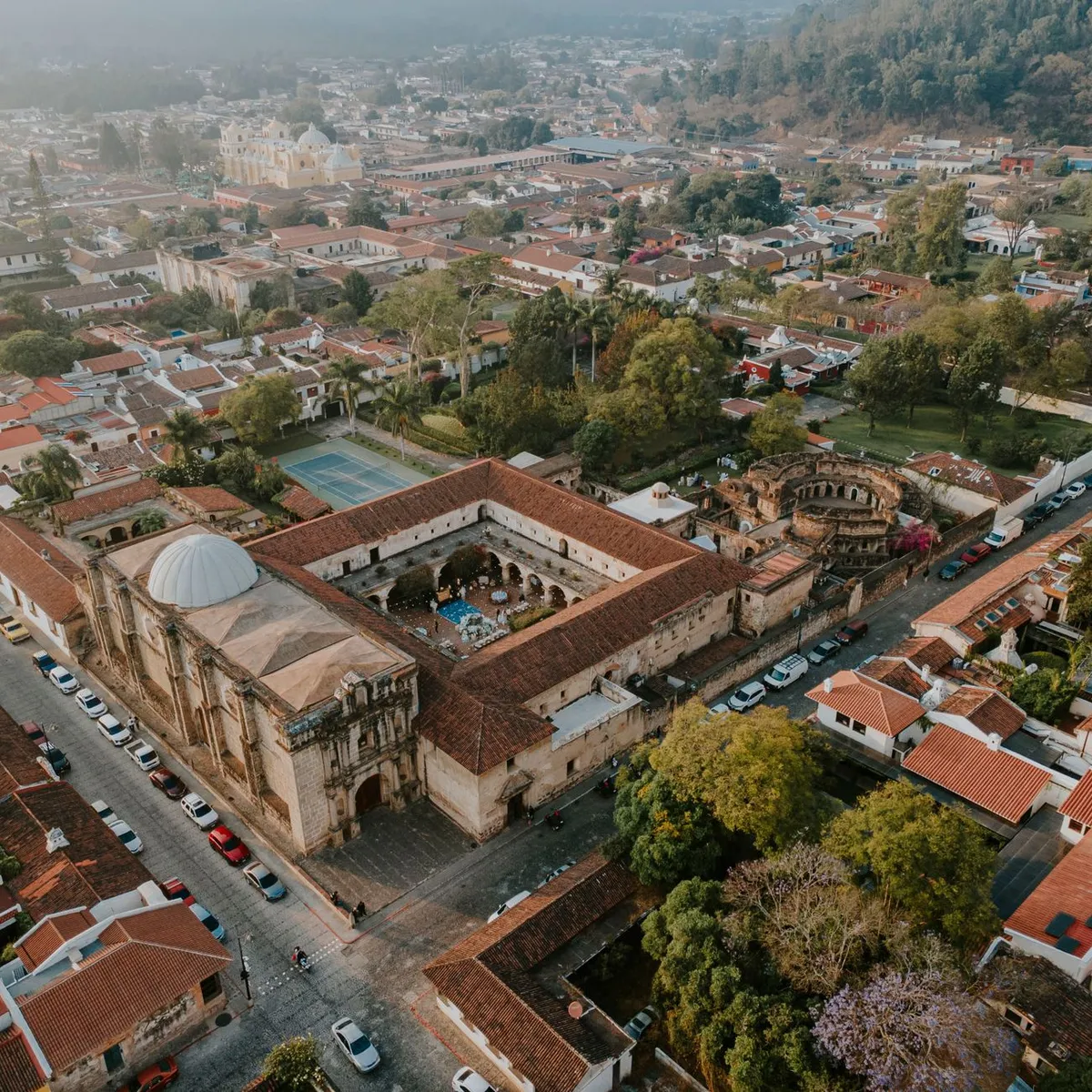
 Photo: HAROLD PRODUCTIONS / Pexels
Guatemala City
Guatemala City accessibility for wheelchair users
Compare Guatemala City by accessibility, transport, terrain, healthcare, cost, weather, laws, reviews, and community notes.
Guatemala City accessibility scores
Compare Guatemala City by accessibility, transport, terrain, healthcare, cost, weather, and laws. General stats use public data and models. Community rows reflect member reviews and votes.
General stats
National benchmarks and estimates — your experience in this city may differ.
Community
Starts from our estimate — thumbs up nudge toward Excellent, down toward Poor. Reviews use 1–5 stars.
These figures combine public statistics, models, and live weather where available. Every city is different — treat this as a guide, and share what you know in the Reviews & Corrections tab.
Profile last updated 7/1/2026.
Guatemala City wheelchair accessibility guide
Research Guatemala City for wheelchair users and caregivers: getting around, terrain, healthcare, costs, climate, accessible things to do, and practical caveats before booking.
Last updated 7/1/2026At a glance
Guatemala City is the country's main urban hub and medical center, with a RollVenture score of 55. It offers major hospitals, museums, shopping areas, and airport access, but it is not an easy wheelchair city. The row estimates living costs from ~$2,777/mo and housing from ~$1,455/mo. Accessibility depends heavily on zone, building age, private transport, and how much local help you can arrange.
Getting around
Plan around private rides. Transmetro exists, but live source checks were inconclusive and step-free details were not reliable enough to treat it as a primary wheelchair option. Traffic is heavy, sidewalks can be narrow or broken, and crossings may require assertive local knowledge. Choose housing close to repeat destinations, and build extra time into every medical or museum trip.
Terrain & mobility
The DB terrain profile flags mixed to very challenging gradients, and the city sits in a highland basin with steep streets in many districts. Pavement data is fairly strong, but that does not guarantee usable curb cuts. Zones with newer malls, hotels, hospitals, and private campuses are generally easier than older streets. Manual-chair users should expect fatigue on slopes and uneven sidewalks.
Healthcare & care
Healthcare is one of the stronger reasons to choose Guatemala City over smaller Guatemalan towns. The live OSM profile lists Hospital Santa Margarita, Hospital Los Cedros, Fundación Pediátrica Guatemalteca, Hospital Privado La Asunción, and Centro Hospitalario La Paz as nearby leads. Verify specialty availability, emergency access, elevator routes, and insurance/payment process before relying on any facility.
Costs & housing
Costs are moderate by North American standards but not extremely low for the region. Accessible housing is most plausible in newer apartment towers in central or higher-income zones. Require video proof of the entrance, elevator, bathroom turning space, shower threshold, backup power, and curb-to-lobby route. A building with secure pickup space may matter as much as the unit itself.
Climate & comfort
The altitude keeps temperatures milder than the tropical lowlands. Rainy season can still create flooding, slick ramps, and traffic delays. Air quality and volcanic ash alerts are worth monitoring for respiratory-sensitive travelers. The dry season is easier for outdoor routes.
Accessible things to do
Museo Popol Vuh— official museum site confirmed; contact the museum before visiting to verify entrance, lift, gallery route, and restroom access.
Museo Ixchel del Traje Indígena— official site confirmed; a good paired museum visit if step-free access and transport are confirmed.
Zoológico La Aurora— official site confirmed and near the airport; verify path gradients, accessible toilets, and parking/drop-off before going.
Palacio Nacional de la Cultura— culture ministry page confirmed; historic buildings often have partial access, so arrange details before booking a tour.
Community & language
Spanish is essential. In healthcare, it is worth hiring a bilingual coordinator or bringing a local friend for the first appointments. Disability access information is not always published, so direct phone calls or WhatsApp messages are often necessary.
Would we recommend it?
Recommended as a practical medical and transport hub, not as an effortless accessible city break. It can work for wheelchair users with private rides, newer housing, and pre-checked venues, but the terrain and street environment require planning.
These figures combine public statistics, models, and live weather where available. Every city is different — treat this as a guide, and share what you know in the Reviews & Corrections tab.
Profile last updated 7/1/2026.