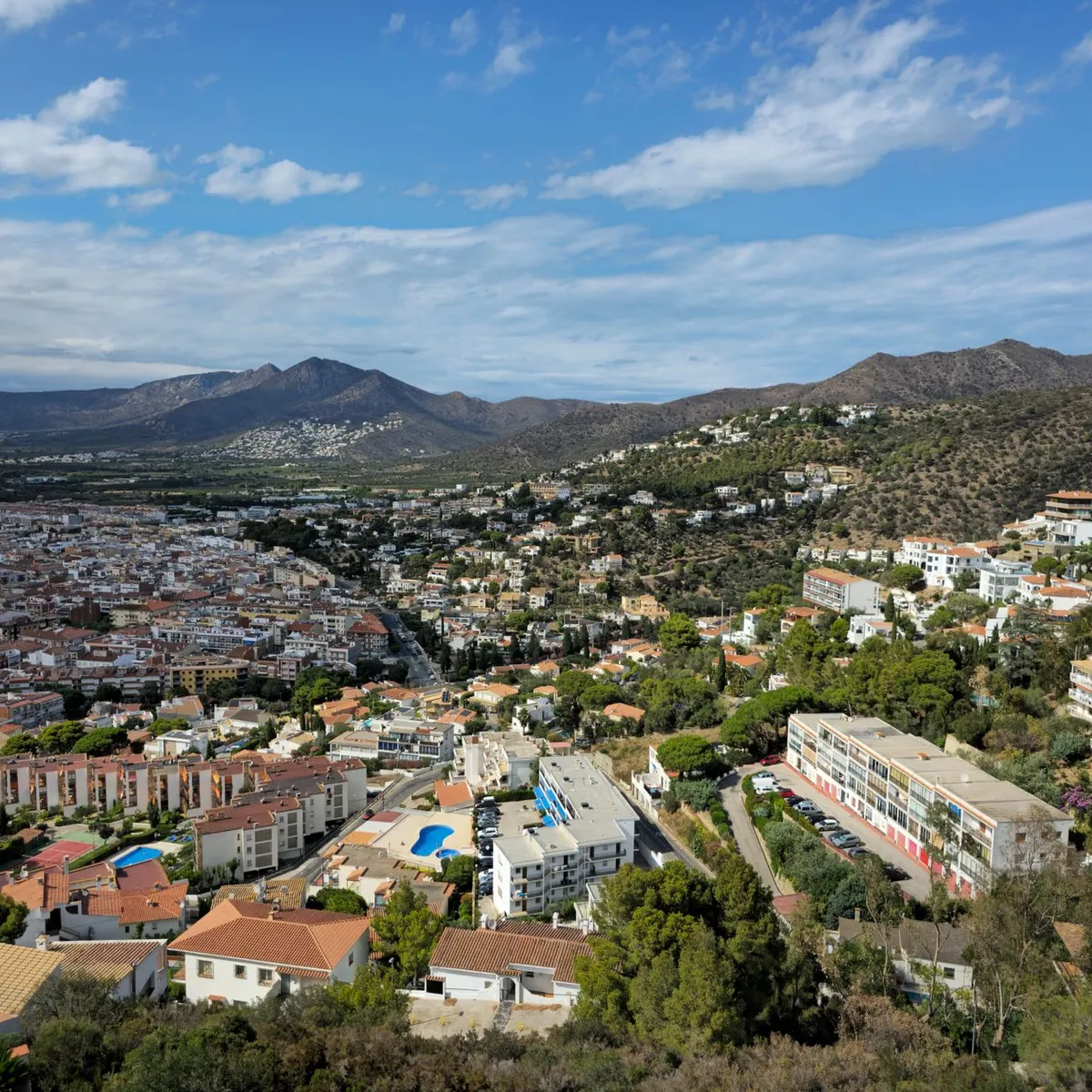
 Photo: Catherine Franken / Pexels
Fuenlabrada
Fuenlabrada accessibility for wheelchair users
Compare Fuenlabrada by accessibility, transport, terrain, healthcare, cost, weather, laws, reviews, and community notes.
Fuenlabrada accessibility scores
Compare Fuenlabrada by accessibility, transport, terrain, healthcare, cost, weather, and laws. General stats use public data and models. Community rows reflect member reviews and votes.
General stats
National benchmarks and estimates — your experience in this city may differ.
Community
Starts from our estimate — thumbs up nudge toward Excellent, down toward Poor. Reviews use 1–5 stars.
These figures combine public statistics, models, and live weather where available. Every city is different — treat this as a guide, and share what you know in the Reviews & Corrections tab.
Profile last updated 6/30/2026.
Fuenlabrada wheelchair accessibility guide
Research Fuenlabrada for wheelchair users and caregivers: getting around, terrain, healthcare, costs, climate, accessible things to do, and practical caveats before booking.
Last updated 6/30/2026At a glance
Fuenlabrada is a large south-west Madrid municipality with a practical accessibility profile: good metropolitan rail links, relatively modern suburbs, and lower housing costs than central Madrid, but fewer English-language accessibility details than the capital. RollVenture should treat it as a budget base for people who already know the Madrid region rather than as a turnkey accessible holiday city. The live profile shows about 198,000 residents, an overall score of 71, and estimated monthly living costs from ~$2,852/mo, with housing around ~$1,318/mo.
The strongest reasons to consider Fuenlabrada are MetroSur access into the Madrid network, broad paved avenues in newer districts, and proximity to Madrid healthcare. The main cautions are summer heat, occasional gradients around rail approaches, and the need to verify individual building entrances because official accessibility pages were thin or blocked during this check.
Getting around
Fuenlabrada is connected to Madrid by Metro line 12/MetroSur and Cercanías rail. Metro Madrid publishes an accessibility section, but the live page rejected automated access during research, so treat station lift/escalator status as a pre-trip check, not a guarantee. For wheelchair users, plan journeys around named step-free stations, confirm elevator outages the day before travel, and keep a taxi backup for late evenings.
Inside the municipality, the OSM pavement profile is relatively useful: high confidence, 42% good tagged surfaces, and dominant asphalt or paving-stone routes. That supports short local rolls around civic and retail areas, but untagged segments remain common.
Terrain & mobility
The terrain profile is gently rolling rather than flat: average elevation is about 636m, with a sampled max grade near 1.5% and a 115m range across the area. Most everyday routes should be manageable with a powerchair or strong manual-chair user, but heat, long blocks, and rail-station approaches can matter more than the headline grade. Newer avenues are usually easier than older local streets.
Healthcare & care
The DB healthcare profile lists OSM-sourced clinic leads including Adeslas near the centre and several clinics within the wider area. These are leads only: verify entrance access, appointment language, and wheelchair transfers before relying on them. For more complex care, many residents look toward the wider Madrid hospital network; the Hospital Universitario de Fuenlabrada official page returned a 404 from the tested URL, so do not rely on that link without confirming current contact details.
Costs & housing
Costs are a major advantage compared with central Madrid. Use the DB estimate as from ~$2,852/mo, including housing from ~$1,318/mo. The practical accessibility risk is apartment-level: confirm elevator dimensions, step-free building entry, bathroom turning radius, and whether air conditioning is installed. Ground-floor shops may be accessible, but older residential blocks can still have entrance steps.
Climate & comfort
Expect hot, dry Madrid summers and cool winters. Wheelchair users should plan shaded errands, hydration, and battery range carefully in July and August. Spring and autumn are the best seasons for testing routes and housing.
Accessible things to do
CEART Fuenlabrada— the official Centro de Arte Tomás y Valiente site was reachable; verify current lift, toilet, and exhibition-floor access before visiting.
MetroSur practice route— use a short MetroSur trip as a practical accessibility test, checking lift status and platform gaps before committing to longer Madrid journeys.
Parque de Polvoranca— a major nearby green-space lead; the tested regional URL returned 404, so verify accessible paths and parking locally before treating it as a reliable wheelchair outing.
Madrid day trips— Fuenlabrada works best as a lower-cost base for accessible Madrid attractions, provided step-free transit status is checked each travel day.
Community & language
Spanish is essential for healthcare, building management, and local bureaucracy. English is more common in Madrid tourist contexts than in suburban offices. Bring written Spanish access requirements for apartment viewings and clinics.
Would we recommend it?
Yes, cautiously, for budget-conscious wheelchair users who can self-advocate in Spanish and verify station access. No, if you need a city with abundant English accessibility documentation or guaranteed step-free tourism infrastructure.
These figures combine public statistics, models, and live weather where available. Every city is different — treat this as a guide, and share what you know in the Reviews & Corrections tab.
Profile last updated 6/30/2026.